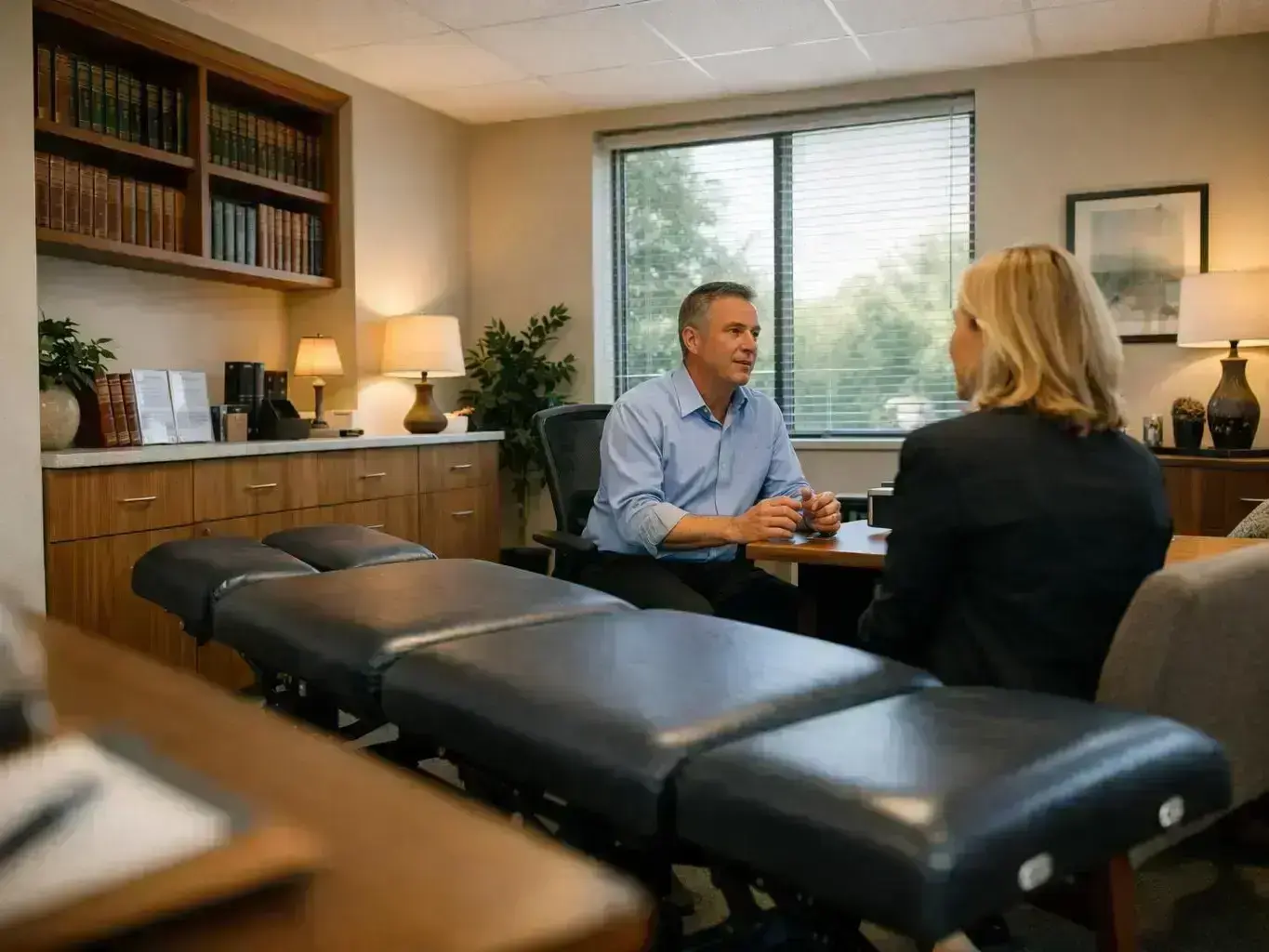
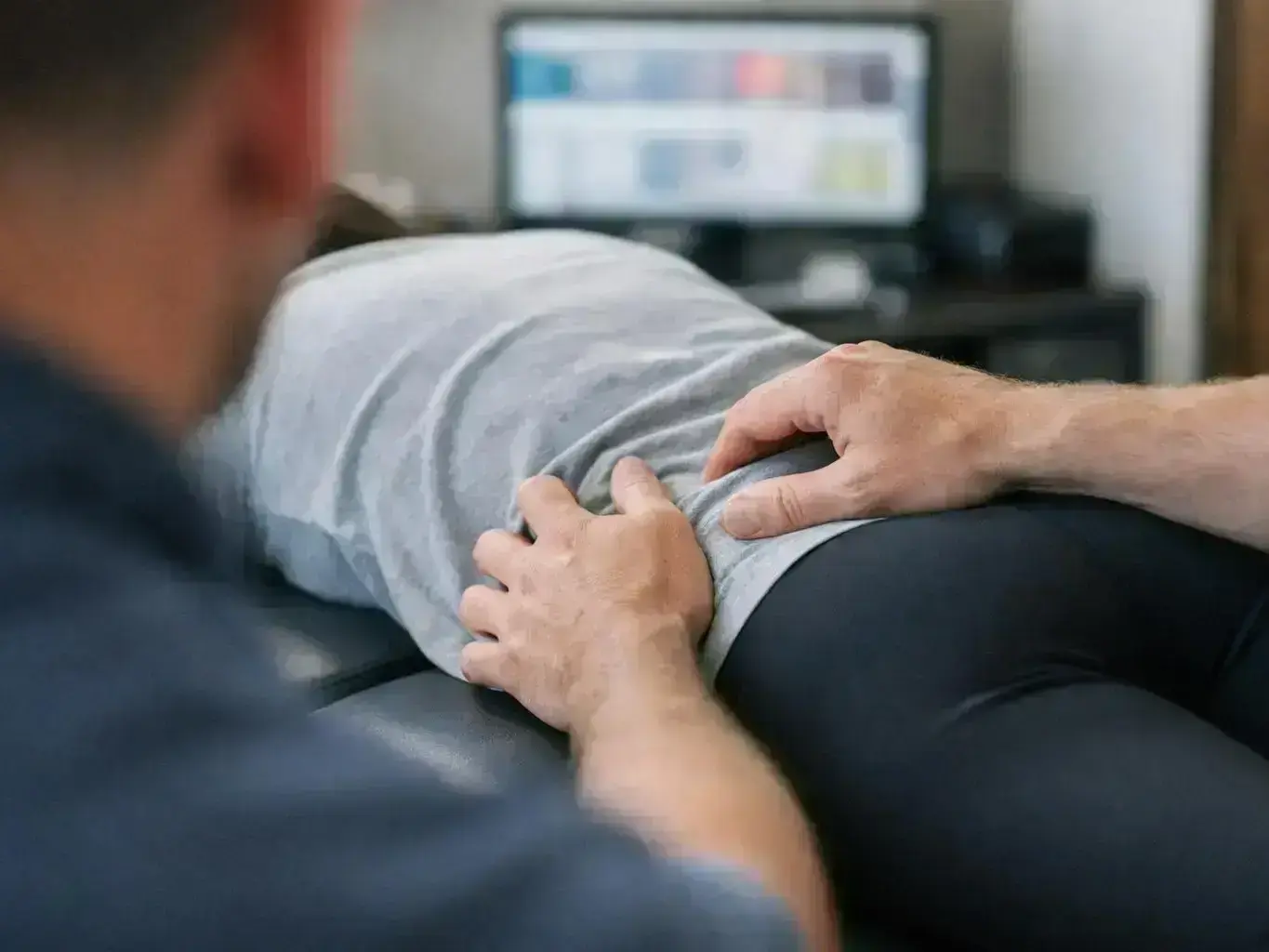
Understanding Back Pain
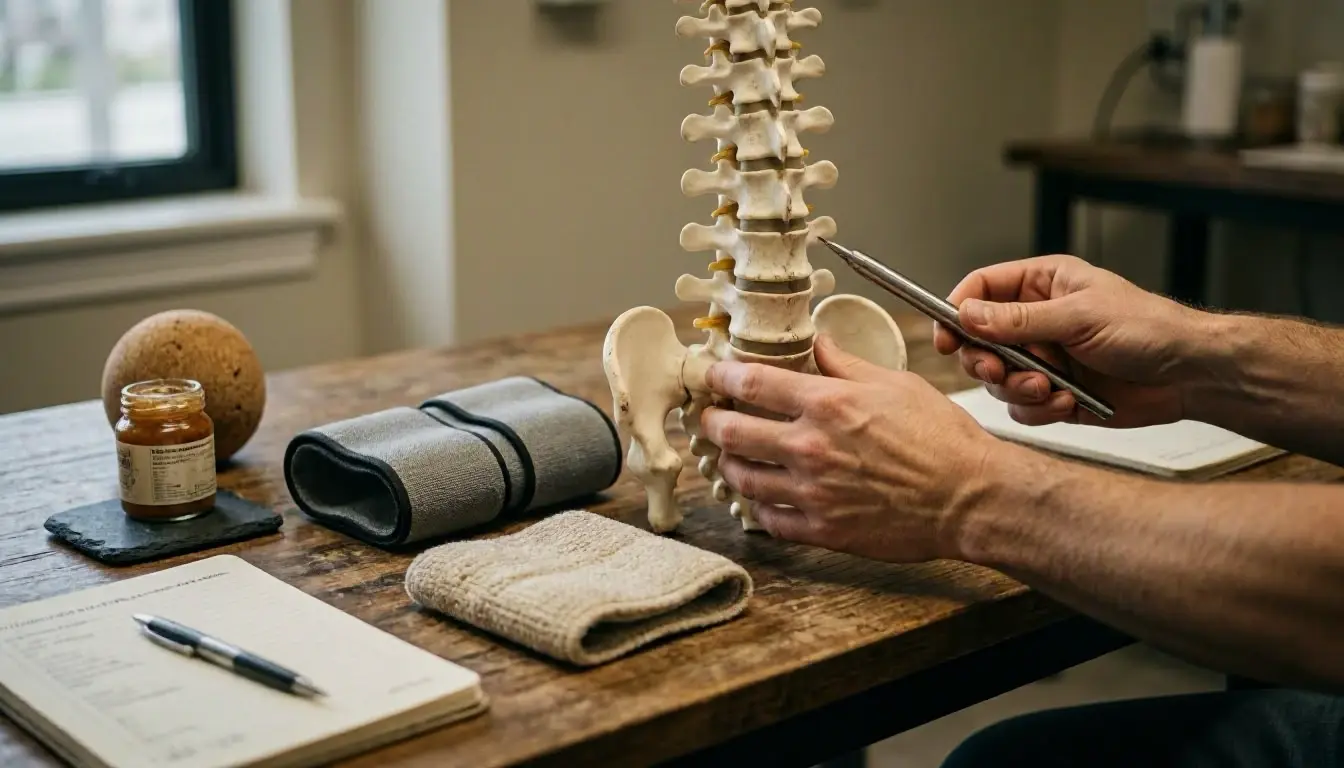
Back Pain is one of the most common reasons people visit healthcare providers. It can occur anywhere along the spine, which runs from the neck down to the lower back. The spine supports the body’s weight, allows movement. And protects the spinal cord, making it essential for daily activities. When muscles, ligaments, discs. Or joints in the back are strained or damaged, pain can develop. This pain may be sharp, dull, constant. Or intermittent, depending on the cause.
Back Pain can affect people of all ages. But it becomes more common as people get older. Factors like poor posture, lack of exercise, obesity. And repetitive motions (such as lifting heavy objects incorrectly) can increase the risk. In some cases, Back Pain is a symptom of a more serious condition, such as a herniated disc, spinal stenosis. Or arthritis. Understanding the cause of Back Pain is the first step in finding effective treatment and relief.
How Back Pain Works?
The spine is made up of bones called vertebrae, which are stacked on top of each other. Between these vertebrae are discs that act as cushions, absorbing shock and allowing movement. Muscles, ligaments. And tendons surround the spine, providing support and enabling motion. When any part of this system is injured or strained, it can lead to Back Pain. For example, lifting a heavy object with poor form can strain muscles or sprain ligaments, causing immediate pain. Over time, poor posture or repetitive stress can wear down discs, leading to chronic discomfort.
Back Pain can also originate from nerves. The spinal cord runs through the vertebrae. And nerves branch out from it to other parts of the body. If a disc herniates (bulges) or the spine narrows (spinal stenosis), it can press on these nerves, causing pain that radiates to the arms or legs. This type of pain, called radicular pain, often feels like a sharp, shooting sensation. Other causes, like muscle tension or inflammation, may produce a dull, aching pain that stays localized in the back.
Why Back Pain Matters?

Back Pain is more than just an inconvenience—it can significantly impact quality of life. Severe or chronic Back Pain can limit mobility, making it difficult to perform everyday tasks like bending, lifting. Or even sitting for long periods. This can affect work productivity, exercise routines. And social activities. For some people, Back Pain leads to missed workdays or the need for long-term disability, which can create financial and emotional stress.
And untreated Back Pain can worsen over time. What starts as a minor ache may develop into a chronic condition if the underlying cause is not addressed. For example, ignoring poor posture can lead to permanent changes in the spine’s structure. While untreated disc problems can result in nerve damage. Early intervention, such as physical therapy, ergonomic adjustments. Or chiropractic care, can help prevent Back Pain from becoming a long-term issue.
When Back Pain Matters Most?
Back Pain becomes particularly important to address in certain situations. If the pain follows an injury, such as a fall or car accident, it may indicate a serious problem like a fracture or herniated disc. Sudden, severe Back Pain accompanied by numbness, weakness. Or loss of bladder control could signal a medical emergency, such as cauda equina syndrome, which requires immediate attention.
Chronic Back Pain—pain that lasts more than three months—also warrants professional evaluation. This type of pain often doesn't improve with rest alone and may require a combination of treatments, such as physical therapy, medication. Or chiropractic adjustments. People whose jobs involve heavy lifting, prolonged sitting. Or repetitive motions are at higher risk for Back Pain and should take preventive measures, like using proper lifting techniques and taking regular breaks to stretch.
In Savannah, GA, Back Pain is a common concern due to the region’s active lifestyle, including outdoor work, sports. And physically demanding jobs. Local factors like humidity and uneven terrain can also contribute to back strain. Addressing Back Pain early can help residents maintain their daily routines and avoid long-term discomfort.