Understanding Degenerative Disc Disease
Degenerative Disc Disease happens when discs in your spine wear down. These discs act like cushions between your spine bones.
The discs have a tough outer layer. Inside is a soft, gel-like center. Over time, they lose water and get thinner.
This makes them less flexible. They can't cushion your spine as well. This may cause pain when you move.
It's called a "disease" but it's not an illness. It's just changes in your spine as you age. Anyone can get these changes.
Heavy lifting, smoking. Or being overweight may speed it up. Not everyone with disc changes feels pain. But some feel mild to very bad pain.
How Degenerative Disc Disease Works?
Your spine has bones called vertebrae. They stack on top of each other. Discs sit between them like cushions.
The discs have two parts. The outer ring is tough. The center is soft and gel-like.
The gel center is mostly water. This helps it absorb shock. It spreads pressure evenly on your spine.
As you age, discs lose water. They shrink and get less spongy. This is called disc desiccation.
The outer layer may get small tears. This can cause bulging or herniation (when the disc pushes out).
When discs get thin, bones come closer. This can squeeze nerves. It may cause pain, tingling. Or weakness.
Degenerative Disc Disease gets worse slowly. Early on, you may feel fine. Later, bending or lifting may hurt.
Sitting too long can also hurt. Doctors use X-rays or MRIs (pictures of your spine) to check disc changes.
Why Degenerative Disc Disease Matters?
This disease can change your daily life. Long-term back or neck pain limits what you can do.
It can make moving hard. It may hurt your mood too. For example, bending to garden may become tough.
Playing with kids or sitting at work may hurt. Untreated pain can weaken muscles. It can also hurt your posture.
Knowing about this disease helps you make good choices. You can't fix it completely. But treatments can help.
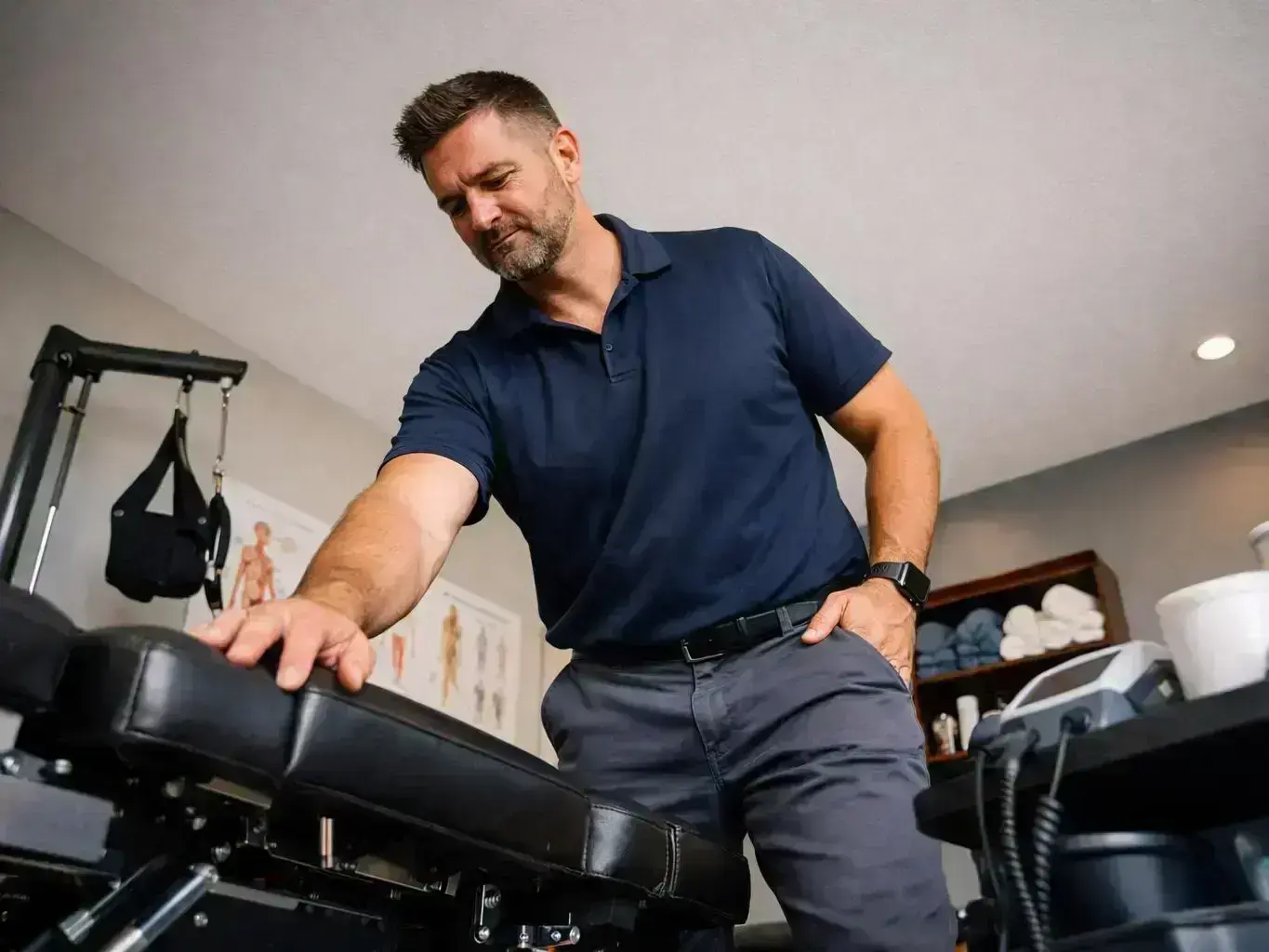
Physical therapy and chiropractic care (spine adjustments) can ease pain. Changing habits can slow it down.
Getting help early stops small pain from becoming big. This helps you stay active and independent.
When Degenerative Disc Disease Matters Most?
This disease matters more for some people. Those over 40 may feel stiff or sore after activity.
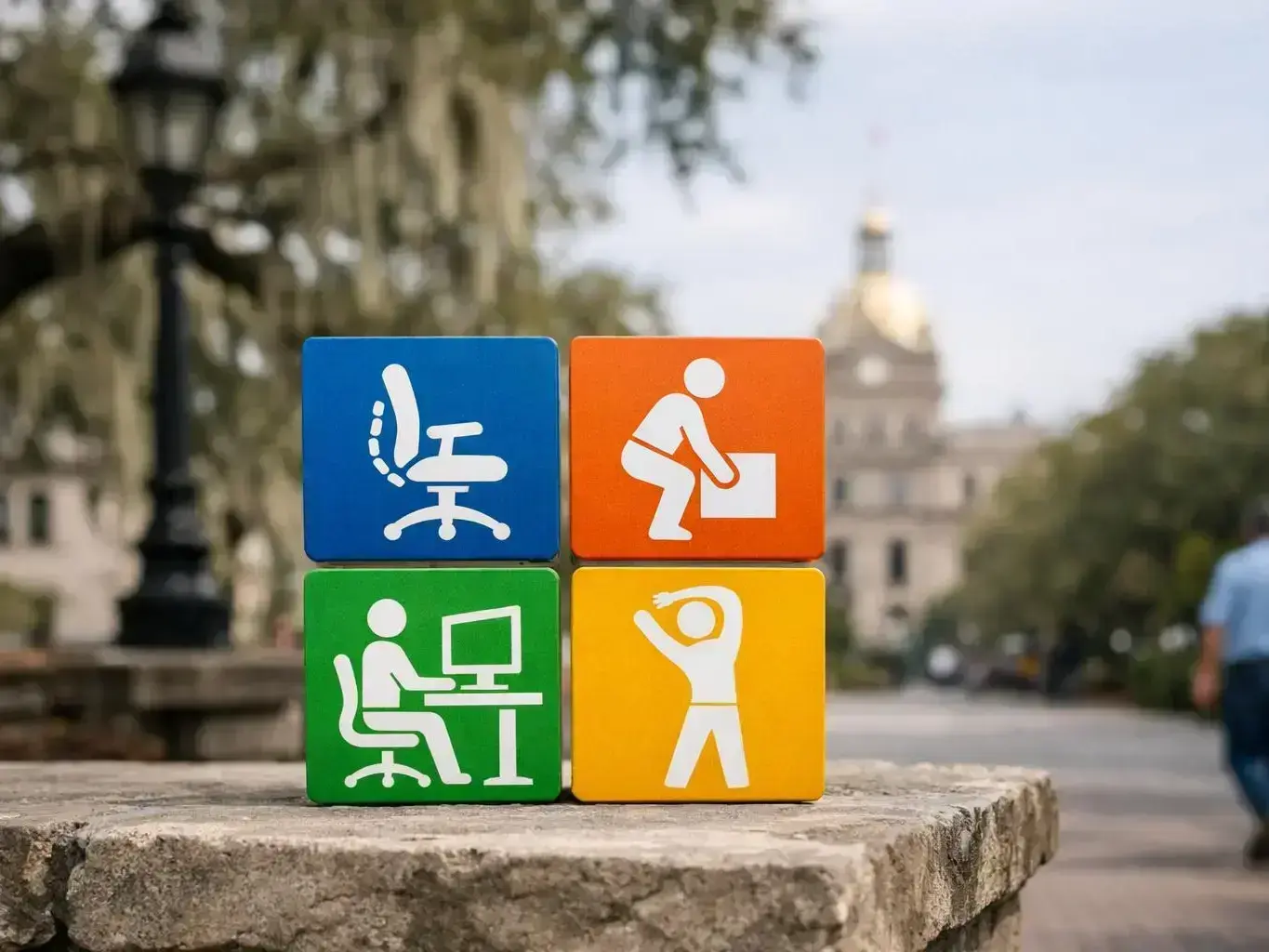
Jobs with heavy lifting or sitting a lot raise risk. Construction workers and office staff are examples.
Truck drivers and athletes may feel it sooner. Their spines take more stress.
Pain may get worse when you bend, twist. Or lift. Sitting or standing too long can also hurt.
Sometimes it leads to bigger problems. One is spinal stenosis (when the spine canal gets too narrow).
Another is herniated discs (when the disc pushes out too far). These may need more treatment.
Knowing early signs helps. Getting care can stop worse problems. This helps you feel better longer.