Understanding Disc Herniation
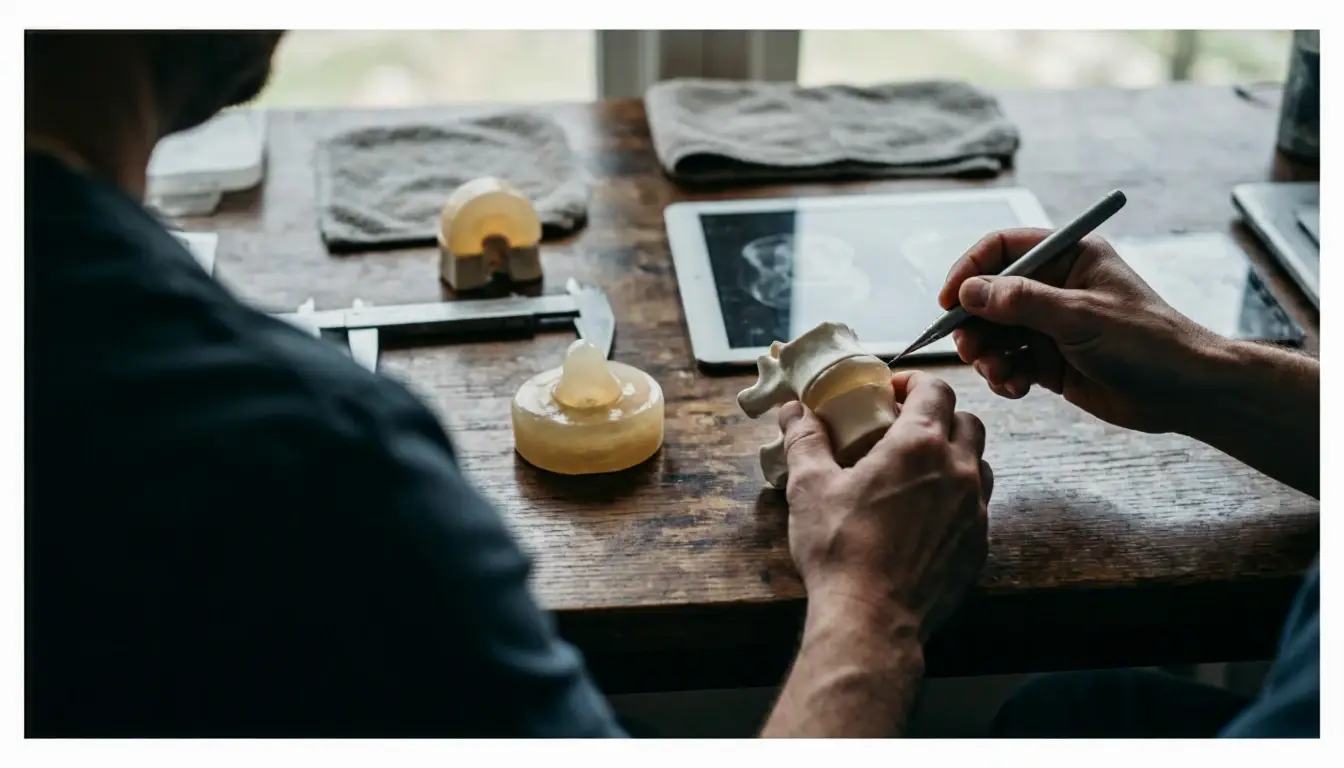
A disc herniates when its soft center leaks out. The spine has bones called vertebrae. Between each bone is a disc.
Related glossary terms: Back Pain, Nerve Compression, Spinal Decompression.
Discs act like cushions. They have a tough outer ring (annulus). The center is soft and jelly-like (nucleus).
The nucleus can push through a tear in the annulus. This can press on nearby nerves. It may cause pain, tingling. Or weakness.
This happens most in the lower back (lumbar spine). It can also happen in the neck (cervical spine). It may occur anywhere along the spine.
Disc herniation often happens as we age. This is called disc degeneration. Discs lose water and get less flexible.
This makes them more likely to tear. But sudden injury can also cause it. Lifting heavy things wrong can hurt your back.
Twisting your spine or falling can also cause it. Not everyone feels symptoms. Some people feel sharp pain, numbness. Or weakness.
How Disc Herniation Works?
A herniated disc can press on nerves. This messes up signals from the brain. It can cause swelling and pain.
A herniated disc in the lower back may hurt the sciatic nerve. This causes sciatica (sharp leg pain).
A herniated disc in the neck can cause pain. It may cause numbness or weakness in shoulders, arms. Or hands.
How bad symptoms are depends on the herniation. It also depends on how much it presses on nerves.
Doctors diagnose disc herniation with a check-up. They ask about your health history. They test reflexes and muscle strength.
They look for painful spots. Imaging tests like MRI or CT scans can show the herniation. X-rays rule out other problems.
X-rays can't show herniated discs. Knowing the cause helps plan treatment.
Why Disc Herniation Matters?
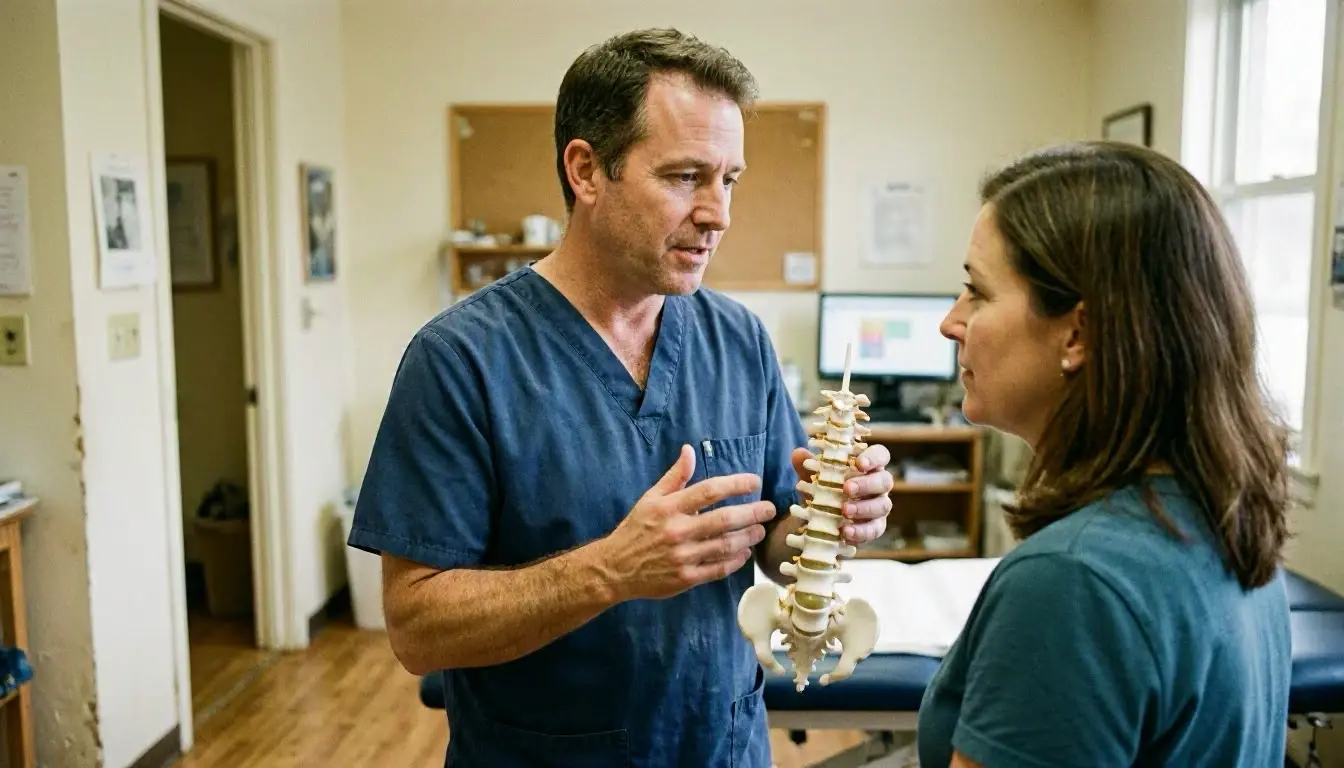
Disc herniation can hurt daily life. Pain or weakness can make moving hard. Sitting or lifting may feel tough.
In bad cases, it can cause loss of bladder or bowel control. This is an emergency. Get help right away.
Even mild cases can bother you. They can hurt work, exercise. Or sleep. Early treatment can stop worse problems.
Treatment helps ease pain. It also helps you move better. Rest and therapy can help many people.
Exercises can strengthen your core. They can make your spine feel better. This supports healing.
Medicine or shots may help with pain. Surgery is only for bad cases. It's used when other treatments don't work.
When Disc Herniation Matters Most?
Disc herniation matters most when it affects daily life. Early signs may seem small. But ignoring them can cause big problems.
Nerves can get damaged if pressed too long. This can cause lasting pain or weakness. Sudden, bad pain needs quick help.
Loss of feeling or bladder control is serious. This may mean cauda equina syndrome. Get help right away.
Some jobs raise the risk of disc herniation. Lifting, bending. Or sitting a lot can strain your back. Jobs like construction or nursing can be hard on your spine.
Athletes in sports like football are also at risk. Knowing these risks helps you stay safe. Use good lifting techniques.
Keep good posture. Exercise to strengthen your back. This helps prevent problems.