Understanding DOT Physical

A DOT Physical is a specialized medical exam mandated by the U.S. Department of Transportation for commercial vehicle drivers. The purpose is to confirm that drivers can safely perform the demanding tasks required to operate large trucks, buses. And other commercial vehicles. The exam covers multiple health areas, including vision, hearing, cardiovascular health. And neurological function. It also screens for conditions like diabetes, sleep apnea. And drug or alcohol use that could impair driving ability.
Related glossary terms: Chiropractic Care, Physical Rehabilitation.
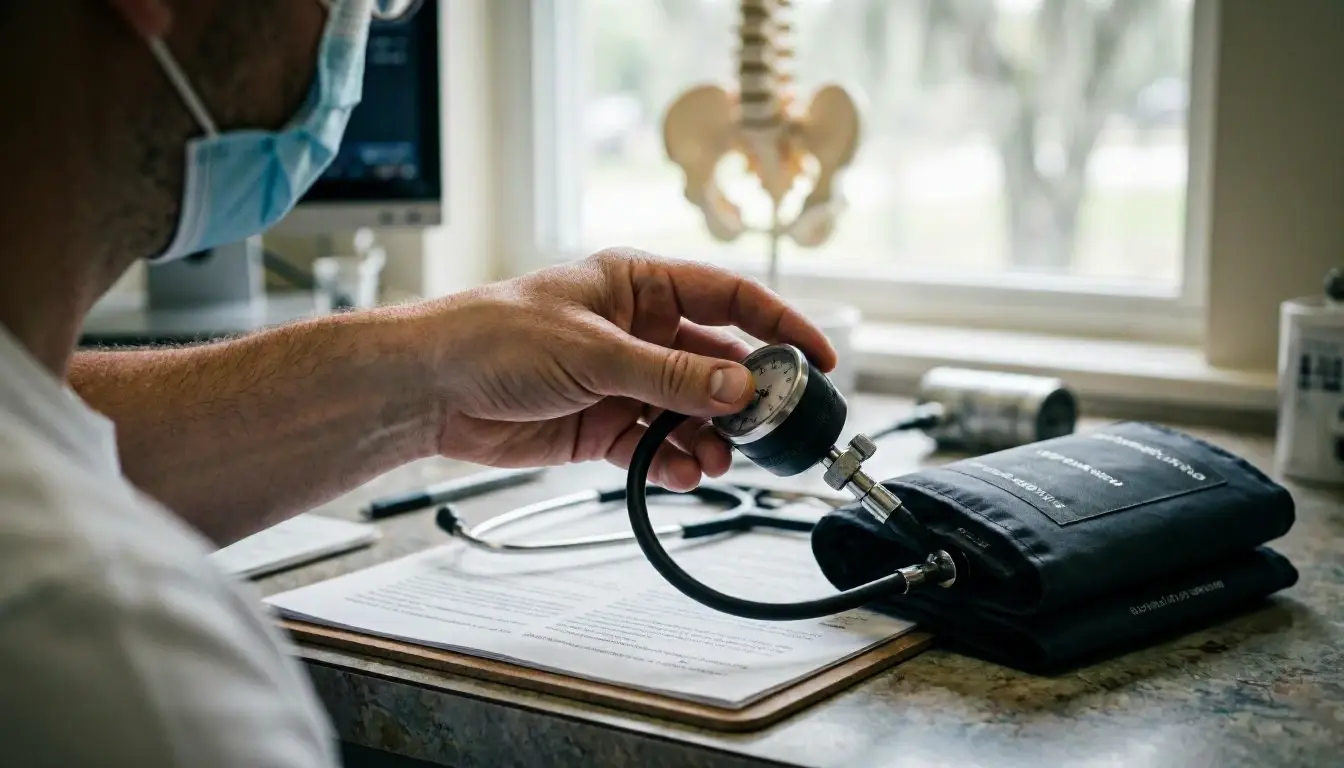
The exam is not a general health checkup but focuses specifically on factors that affect driving safety. For example, drivers must have at least 20/40 vision in each eye (with or without correction) and the ability to distinguish colors like red, green. And amber. Hearing tests ensure drivers can hear a forced whisper from five feet away. Blood pressure and pulse rate are checked to identify risks of sudden incapacitation, such as a heart attack or stroke. While driving.
How DOT Physical Works?
The DOT Physical follows a standardized process outlined by the Federal Motor Carrier Safety Administration (FMCSA). The exam must be conducted by a medical examiner certified by the FMCSA and listed on the National Registry of Certified Medical Examiners. During the exam, the medical examiner reviews the driver’s medical history, including past surgeries, medications. And any chronic conditions. The driver must disclose any health issues that could affect their ability to drive safely.
The physical portion of the exam includes a vision test, hearing test, blood pressure measurement. And a urinalysis to screen for underlying health conditions like diabetes or kidney disease. The examiner also checks the driver’s heart, lungs, reflexes. And overall physical condition. If the driver meets all health standards, the examiner completes a Medical Examiner’s Certificate (MEC), often called a DOT card, which is valid for up to 24 months. If a driver has a condition like high blood pressure, the certificate may be issued for a shorter period, such as 3, 6. Or 12 months, to ensure ongoing monitoring.
- Vision: Drivers must have at least 20/40 vision in each eye and a horizontal field of vision of at least 70 degrees.
- Hearing: Drivers must be able to hear a forced whisper from at least five feet away or pass an audiometry test.
- Blood pressure: Drivers with blood pressure below 140/90 may receive a two-year certificate. Higher readings may require more frequent exams.
- Urinalysis: Used to check for protein, blood, or sugar in the urine, which may indicate diabetes or kidney disease.
Why DOT Physical Matters?
DOT Physicals play a critical role in road safety by ensuring that commercial drivers are physically capable of handling the demands of their jobs. Commercial vehicles, such as trucks and buses, are larger and heavier than passenger cars, making them more difficult to maneuver and stop. A driver with untreated health issues, such as severe high blood pressure or vision problems, poses a significant risk to themselves and others on the road. By requiring regular health screenings, the DOT helps reduce the likelihood of accidents caused by medical emergencies or impaired driving.
For drivers, passing the DOT Physical is essential for maintaining employment in the commercial driving industry. Without a valid Medical Examiner’s Certificate, drivers can't legally operate commercial vehicles. Employers also benefit from the DOT Physical process, as it helps them comply with federal regulations and reduces the risk of hiring drivers who may be unable to perform their duties safely. And regular exams can identify health issues early, allowing drivers to seek treatment before conditions worsen.
When DOT Physical Matters Most?
DOT Physicals are required in several key situations. New commercial drivers must pass the exam before obtaining their commercial driver’s license (CDL). Existing drivers must renew their Medical Examiner’s Certificate before it expires, typically every 24 months. Though some drivers may need more frequent exams based on their health status. Drivers who develop new medical conditions, such as diabetes or heart disease, may also need to undergo a DOT Physical to confirm they can still drive safely.
Employers often require DOT Physicals as part of the hiring process for commercial driving positions. And drivers involved in accidents or incidents may be required to undergo a DOT Physical to ensure they were not impaired by a medical condition at the time of the event. In Savannah, GA, where commercial driving is a significant part of the local economy, DOT Physicals help ensure that drivers operating on highways like I-95 and I-16 meet federal safety standards.
Drivers should schedule their DOT Physical well in advance of their certificate’s expiration date to avoid lapses in certification. If a driver fails the exam due to a treatable condition, such as high blood pressure, they may be given a temporary certificate while they seek medical treatment. Once the condition is under control, they can retake the exam and receive a full certificate.