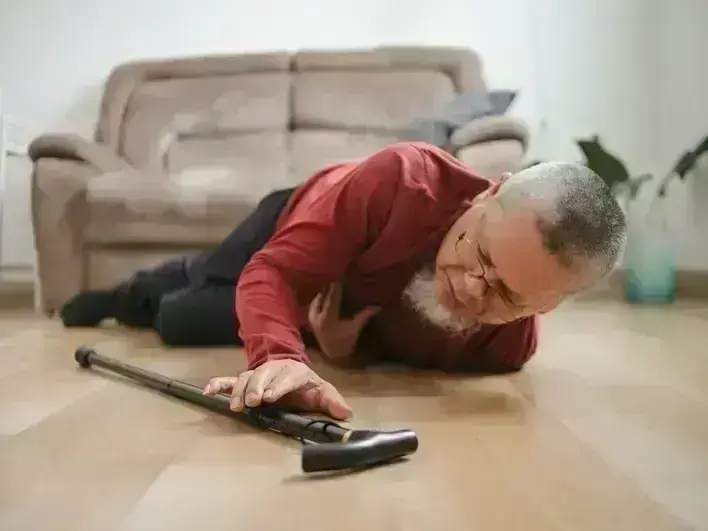
Understanding Extremity Adjusting

Extremity Adjusting is a specialized chiropractic approach that addresses joint misalignments in the arms, legs, hands. And feet. While many people associate chiropractic care with spinal adjustments, extremity adjusting focuses on the peripheral joints—such as shoulders, elbows, wrists, hips, knees. And ankles. These joints can become misaligned due to injuries, repetitive stress, poor posture. Or degenerative conditions, leading to pain, stiffness. Or reduced range of motion. By restoring proper joint mechanics, extremity adjusting helps alleviate discomfort and supports overall movement efficiency.
This technique is based on the same principles as spinal adjustments but applies them to smaller, more complex joints. Chiropractors use their hands or specialized tools to deliver precise, controlled forces to the affected joint. The goal is to improve joint mobility, reduce inflammation. And relieve pressure on surrounding nerves and soft tissues. Unlike general stretching or massage, extremity adjusting targets the specific anatomical structures of the joint, making it a highly focused treatment option for limb-related issues.
How Extremity Adjusting Works?
Extremity adjusting begins with a thorough evaluation of the affected joint, including its range of motion, alignment. And any signs of dysfunction. The chiropractor may ask about the patient’s medical history, recent injuries. Or daily activities that could contribute to the problem. This assessment helps determine whether the joint issue stems from trauma, overuse. Or an underlying condition like arthritis or tendonitis. Once the source of the problem is identified, the chiropractor selects the appropriate adjustment technique for the joint’s size, shape. And location.
The adjustment itself is typically quick and gentle. Though the exact method varies depending on the joint. For example, a shoulder adjustment might involve a slight thrust to realign the humerus in the socket. While a knee adjustment could focus on restoring proper tracking of the patella. Some chiropractors use low-force techniques, such as activator methods, for patients who prefer a gentler approach. After the adjustment, the chiropractor may recommend stretches, exercises. Or lifestyle modifications to help maintain joint health and prevent future misalignments.
- Shoulder adjustments: Common for rotator cuff injuries or frozen shoulder.
- Wrist adjustments: Often used for carpal tunnel syndrome or repetitive strain injuries.
- Hip adjustments: Helpful for runners or individuals with sciatic-like symptoms.
- Ankle adjustments: Used for sprains, plantar fasciitis. Or chronic instability.
Why Extremity Adjusting Matters?
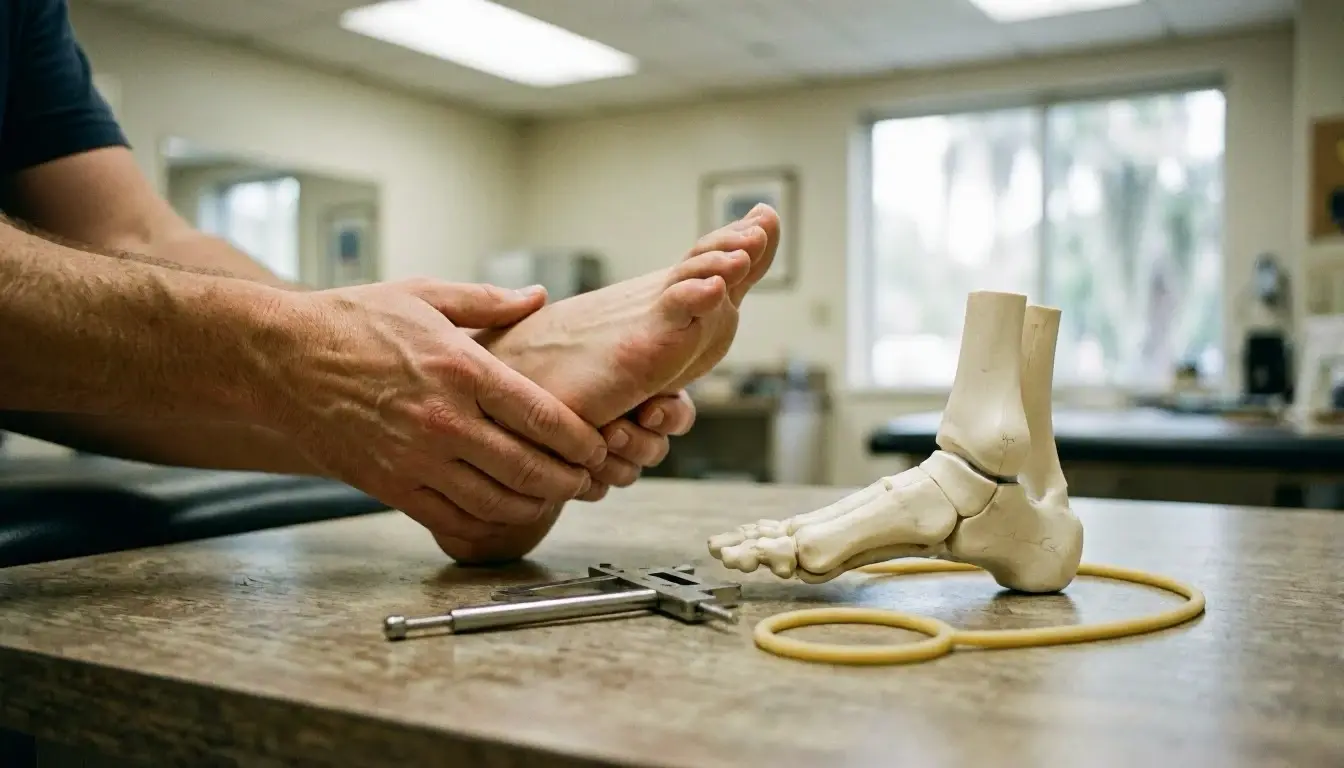
Extremity adjusting plays a crucial role in addressing pain and dysfunction that spinal adjustments alone may not resolve. Many musculoskeletal problems originate in the limbs, especially for athletes, manual laborers. Or individuals with physically demanding jobs. For example, a runner with chronic knee pain may find relief through extremity adjusting, which can correct misalignments that contribute to improper gait or increased stress on the joint. Similarly, office workers with wrist pain from typing may benefit from adjustments that reduce nerve compression and improve joint mechanics.
Beyond pain relief, extremity adjusting can also boost performance and prevent future injuries. Proper joint alignment ensures that muscles, tendons. And ligaments work efficiently, reducing the risk of strains or overuse injuries. For individuals recovering from surgery or trauma, extremity adjusting can support rehabilitation by restoring normal joint function and reducing scar tissue formation. When combined with other therapies like soft tissue work or physical rehabilitation, extremity adjusting offers a full approach to musculoskeletal health.
When Extremity Adjusting Matters Most?
Extremity adjusting is particularly important for individuals experiencing persistent pain, stiffness. Or limited mobility in their arms or legs. Common scenarios where this technique is beneficial include recovering from sports injuries, such as ankle sprains or shoulder dislocations. Or managing chronic conditions like osteoarthritis or tendonitis. It's also valuable for individuals whose jobs or hobbies place repetitive stress on certain joints, such as construction workers with elbow pain or musicians with wrist issues. Early intervention with extremity adjusting can prevent minor misalignments from developing into more serious problems, such as chronic inflammation or joint degeneration.
Certain populations may find extremity adjusting especially helpful. For example, older adults experiencing joint stiffness due to aging can benefit from adjustments that maintain mobility and reduce discomfort. Athletes, whether professional or recreational, often use extremity adjusting to improve performance and recover faster from injuries. And individuals with systemic conditions like diabetes, which can affect nerve function and joint health, may find relief through regular extremity care. By addressing joint dysfunction early, extremity adjusting can improve quality of life and reduce the need for more invasive treatments like surgery or long-term medication use.