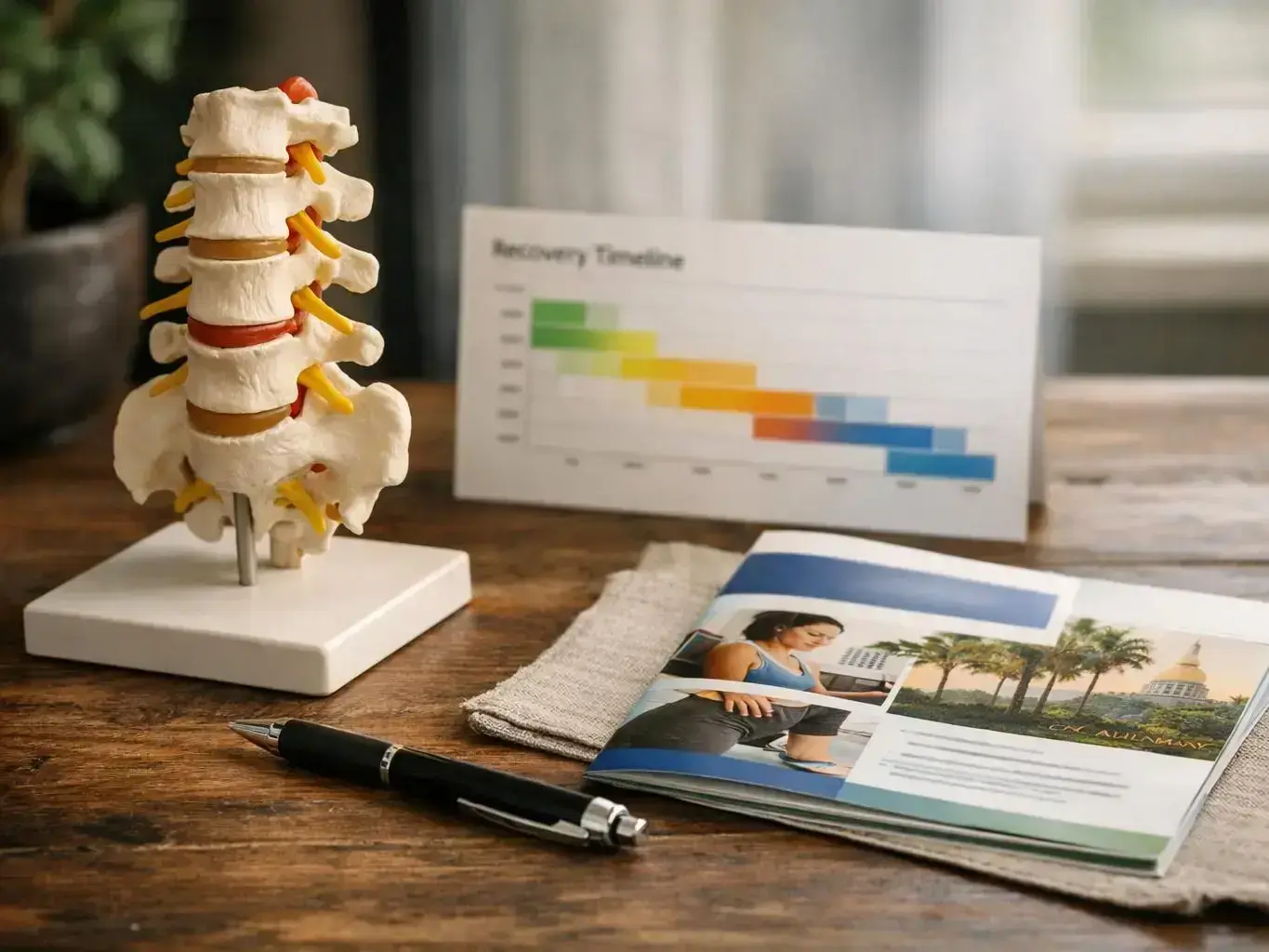
Understanding Intervertebral Disc
Discs are like cushions for your spine. They sit between each bone in your back. This stops bones from rubbing together.
Each disc has a soft center. It's called the nucleus pulposus (gel-like center). A tough ring surrounds it. This ring is called the annulus fibrosus (fibers).
Discs squish when you move. They bounce back to their shape. This helps you walk, lift. And twist.
Discs don't have blood vessels. They need movement and water to stay healthy. Without these, they can't work well.
When discs dry out, they can't cushion well. This can cause problems. The gel inside might leak out. This is called a herniated disc.
Discs can also wear down over time. This is called degenerative disc disease. Both problems can cause pain. They can make your back, arms. Or legs hurt.
How Intervertebral Disc Works?
Discs help spread stress on your spine. When you bend, the front squishes. The back stretches. This lets your spine move smoothly.
The gel center acts like a water pillow. It soaks up shock from running or jumping. The outer ring holds the gel in place.
The ring is made of strong fibers. It stops too much movement.
Discs help keep your spine tall. They lose water during the day. They fill back up at night. That's why you're taller in the morning.
Good posture and water help discs. Bad posture or injuries can hurt them. Lifting wrong can also harm discs.
This can cause a disc to bulge or tear. For example, lifting with a rounded back is bad.
Why Intervertebral Disc Matters?
Healthy discs help you move without pain. They protect nerves and bones. They keep your spine curved right.
But disc problems cause lots of back pain. Many people have this issue. It can make daily tasks hard.
Bad discs can cause long-term pain. They can also hurt your spine's stability.
As discs wear out, bones get closer. This can change your spine's shape. It can lead to spinal stenosis (narrow spine).
Early help can slow this down. Chiropractic care or therapy can help. Changing habits can also make a difference.
Exercises can make back muscles stronger. This takes pressure off discs.
When Intervertebral Disc Matters Most?
Discs matter when your back or neck hurts. Pain in arms or legs can mean nerve problems. This is called sciatica or radiculopathy (nerve pain).
Injuries can hurt discs too. Car accidents or falls can damage them. Some jobs or sports also strain discs.
People who sit a lot are at risk. So are athletes and workers who lift.
Discs dry out as you age. They lose their stretch. This is called disc desiccation (drying out).
This can start in your 30s. It can lead to degenerative disc disease. Regular check-ups can help.
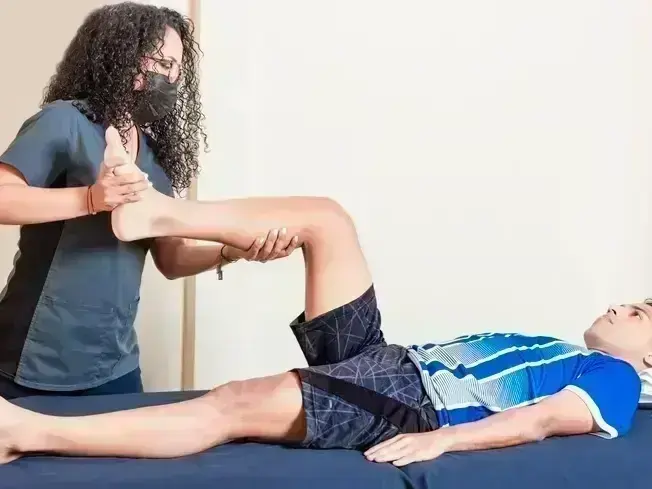
Chiropractors can check your discs. They can fix small problems early. Adjustments and therapy can help discs heal.