Understanding Nerve Compression

Nerve compression happens when too much pressure hits a nerve. This pressure comes from nearby tissues. These tissues can be bones, cartilage, muscles. Or tendons.
The pressure stops the nerve from working right. This can cause pain, tingling. Or numbness. It can also make muscles weak. The problem can start anywhere in the body.
But it happens most in tight spaces. These spaces include the spine, wrists. Or elbows.
Nerves send signals from the brain to the body. When a nerve is squeezed, these signals get mixed up. The brain may get wrong or missing messages.
A squeezed nerve in the lower back can cause leg pain. This is called sciatica. A squeezed nerve in the wrist can cause tingling in the hand.
This is called carpal tunnel syndrome. It can also make fingers weak.
How Nerve Compression Works?
Nerve compression works in two ways. First, tissues press on the nerve. Second, this causes swelling.
The pressure cuts off blood flow to the nerve. The nerve needs blood to get oxygen and food. Without blood, the nerve gets irritated.
If the pressure stays, the nerve can get hurt for good. This can cause lasting pain. It can also stop the area from working right.
Doctors find nerve compression with tests. They check your body first. They may use X-rays or MRI scans (pictures of inside your body).
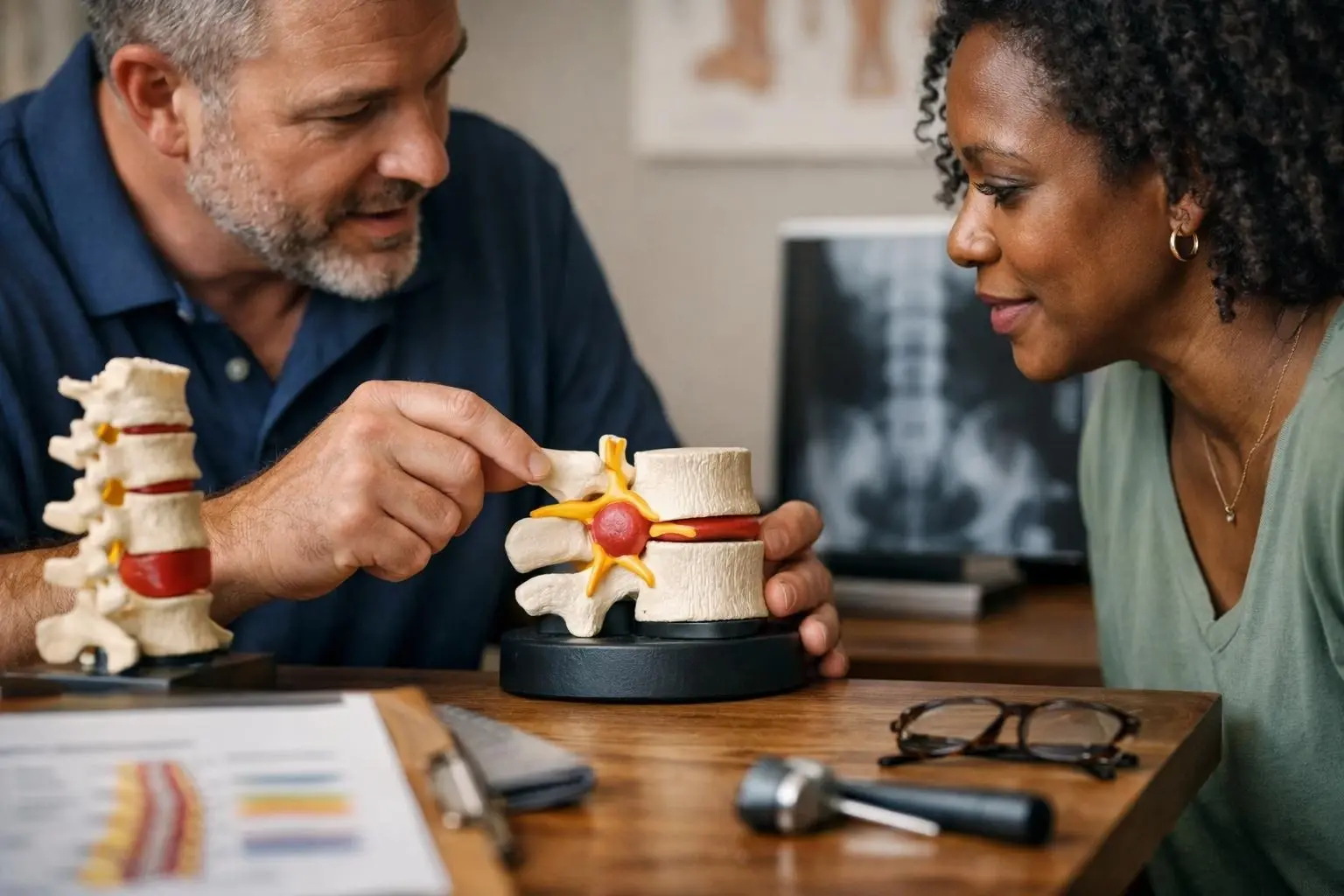
They may do nerve tests too. These tests see how well signals move. An MRI can show a disc pressing on a nerve.
The nerve test can see if signals move too slow.
- Bones, muscles. Or tendons can press on nerves.
- Swelling and less blood make symptoms worse.
- Tests like MRI or nerve tests find the cause.
Why Nerve Compression Matters?
Fixing nerve compression is very important. It can change your daily life a lot.
Pain, numbness. Or weakness can make tasks hard. These tasks include typing, lifting. Or walking.
If you don't treat it, nerves can get hurt forever. This can cause lasting pain. It can also stop muscles from working.
Getting help early can stop these problems. It can also make symptoms go away.
Nerve compression can hurt your mind too. Long pain and less movement can cause worry.
It can also cause sadness. Fixing it fast can help you feel better.
You can go back to normal activities. You won't feel bad doing them.
When Nerve Compression Matters Most?
Some people need to watch for nerve compression. People who type a lot are at risk.
So are people who work on assembly lines. Athletes and workers who lift heavy things can get it too.
They can get hurt or use muscles too much. People with disc problems can get it too.
So can people with spine issues or arthritis. These problems make nerve compression more likely.
Spotting symptoms early helps a lot. If you have pain, tingling. Or weakness, see a doctor.
Don't wait. Waiting can make things worse. Muscles can get smaller or stop working.
Nerves can get hurt for good. Chiropractors can help.
So can physical therapy. Doctors may give shots or do surgery. It depends on how bad it is.
- Typing or lifting too much can cause nerve compression.
- Disc problems or arthritis can cause it too.
- Finding and treating it early stops lasting damage.