Understanding Palmer Technique
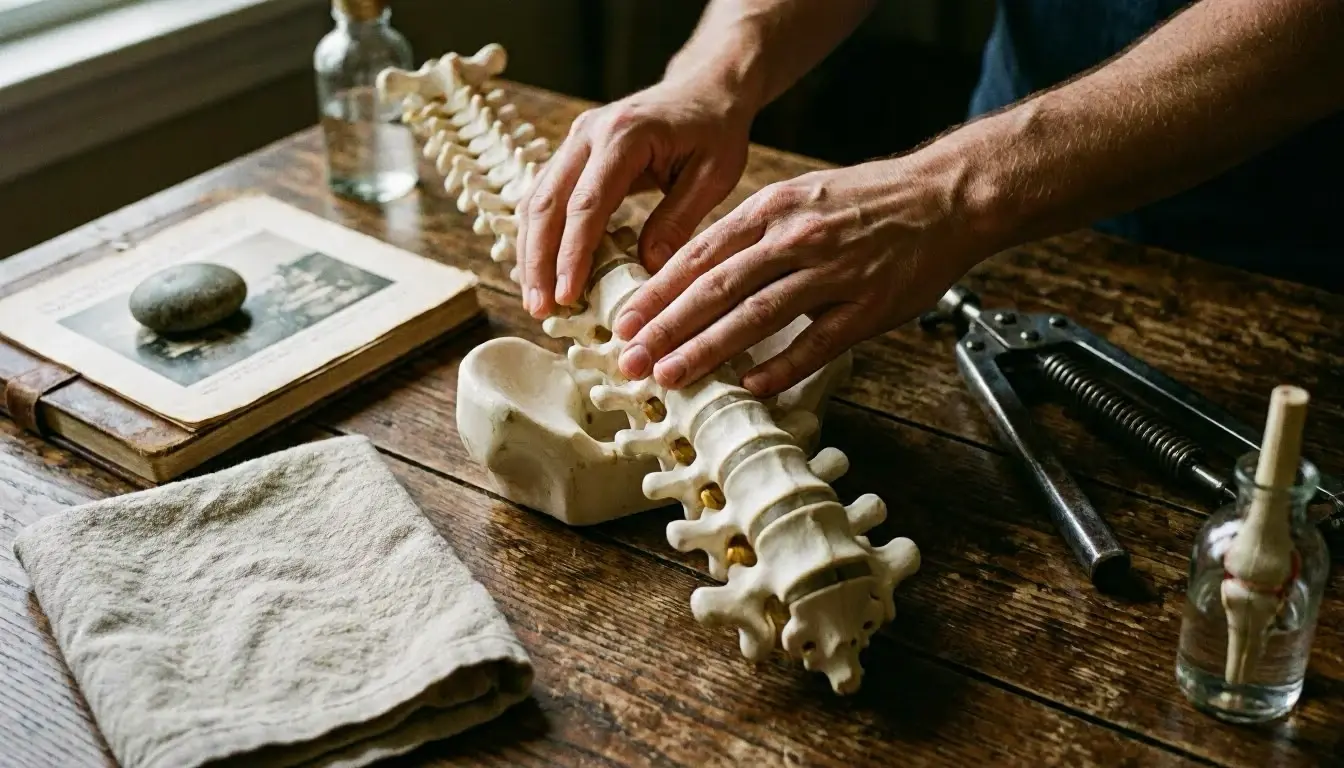
Palmer Technique is a way to help your back. It started in the late 1800s.
Related glossary terms: Chiropractic Adjustment, Spinal Manipulation, Diversified Technique.
Daniel David Palmer made it. He is known as the father of chiropractic care.
This method says your spine can get out of line. These are called subluxations (when bones move wrong).
Subluxations can hurt your nerves. That makes it hard for your body to heal.
Chiropractors fix these misalignments. They use their hands to help your spine work right.
This helps your whole body feel better.
The Palmer Technique is key in chiropractic schools. Many teach it as the main way to adjust spines.
Some new ways use tools or machines. But Palmer Technique uses hands only.
This lets the chiropractor feel small changes. They can fix your spine with care.
It works on more than just your back. It can help arms, legs. And other joints too.
How Palmer Technique Works?
The chiropractor checks you first. They look at your spine and joints.
They find spots that are out of place. Or spots that don’t move right.
They may look at your back. They’ll feel it with their hands (this is called palpation).
Sometimes they use X-rays. This helps them see better.
Once they find the problem, they fix it fast. They use a quick, gentle push.
This puts your joint back in place. It helps you move better.
The fix is usually quick. It may make a popping sound.
This sound is normal. It’s just gas bubbles in your joint.
You won’t feel hurt. Most people feel better right away.
Some may feel a little sore. That’s just your body getting used to the change.
How many fixes you need depends on you. Some people need just a few.
Others may need more. It depends on your health and age.
Why Palmer Technique Matters?
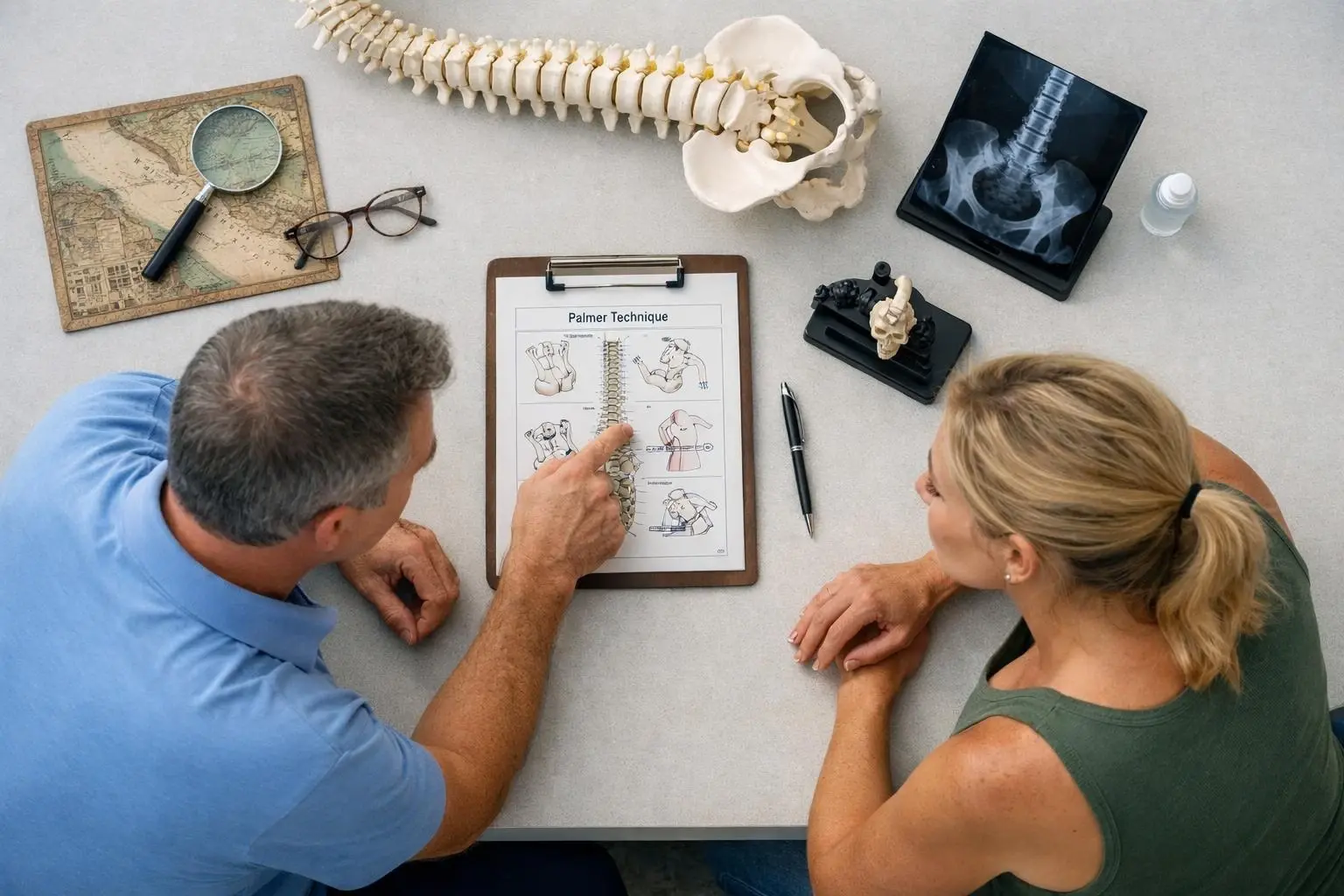
Palmer Technique helps with real problems. It fixes the cause, not just the pain.
Your spine can get out of line. That can cause pain, stiffness. Or headaches.
It can even hurt your organs. That happens if nerves get squeezed.
The technique helps nerves work right. That helps your body heal itself.
Some people need fewer pills. They may not need surgery either.
This method helps your whole body. It doesn’t just mask symptoms.
People often sleep better. They feel more energy too.
It’s safe and natural. No drugs or cuts are needed.
Most people can try it. Kids and older adults can too.
But make sure a trained chiropractor does it.
When Palmer Technique Matters Most?
Palmer Technique helps with many pains. It works for back pain, neck pain. And headaches.
It can help with sciatica (leg pain). It also helps stiff joints.
It’s good for injuries too. Like from car accidents or sports.
Athletes use it to stay in shape. It helps them perform better.
It’s also good for prevention. Even if you feel fine, your spine may need help.
Small problems can grow over time. Regular fixes can stop that.
For example, sitting too much hurts your back. That can cause bad posture.
Palmer Technique can fix that. It lowers the chance of long-term pain.
People with arthritis or scoliosis (curved spine) may feel better too.
Fixes can help joints move better. They can also lower swelling.