Understanding Posture Correction
Posture Correction helps your body stand and sit better. It fixes how you hold yourself when moving.
Related glossary terms: Chiropractic Care, Spinal Adjustment, Physical Rehabilitation.
Poor posture happens when your spine isn’t straight. Shoulders or hips may lean the wrong way. This often comes from slouching or hunching over screens.
Carrying heavy bags on one side can also cause it. These habits make muscles tight. They stress joints and nerves.
This stress can cause back, neck. Or shoulder pain. Posture Correction teaches your body to stay balanced. It keeps muscles and joints from straining.
How Posture Correction Works?
Many think posture just means sitting up straight. But it’s more than willpower. Your spine has natural curves.
These curves help you move and absorb shock. Poor posture messes up these curves. Slouching flattens your lower back.
Looking down at your phone adds weight to your neck. Posture Correction fixes these problems. It uses exercises and changes to your workspace.
It may also use treatments like chiropractic care. This is a type of care for your spine and joints. Or physical therapy to help you move better.
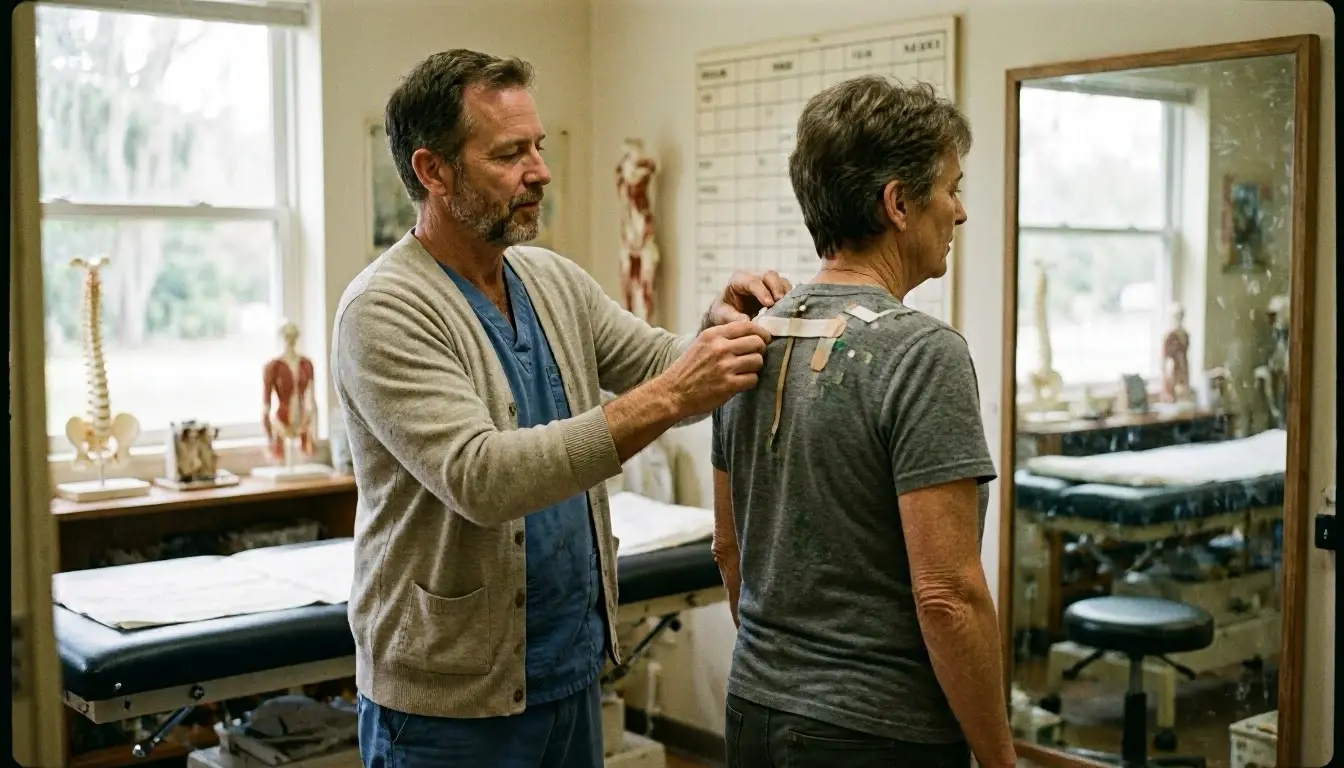
Posture Correction starts with a check-up. A chiropractor or therapist looks at how you stand and sit.
They check for uneven shoulders or a tilted pelvis. They may ask about your daily habits. Like how long you sit at a desk.
They make a plan just for you. It may include stretches or exercises. It could also change how you set up your chair or desk.
Here are some common ways to fix posture:
- Stretching: Tight muscles pull your body out of line. Stretching loosens them.
- This helps your spine return to its natural shape. Muscles in your chest or hips often get tight.
- Strengthening: Weak muscles can’t hold you up. Exercises like rows or planks make them stronger.
- Your upper back and core help keep you straight. Stronger muscles help you stand tall.
- Ergonomic Adjustments: Small changes help a lot. Raise your chair or add a cushion.
- Put your computer screen at eye level. These changes reduce strain.
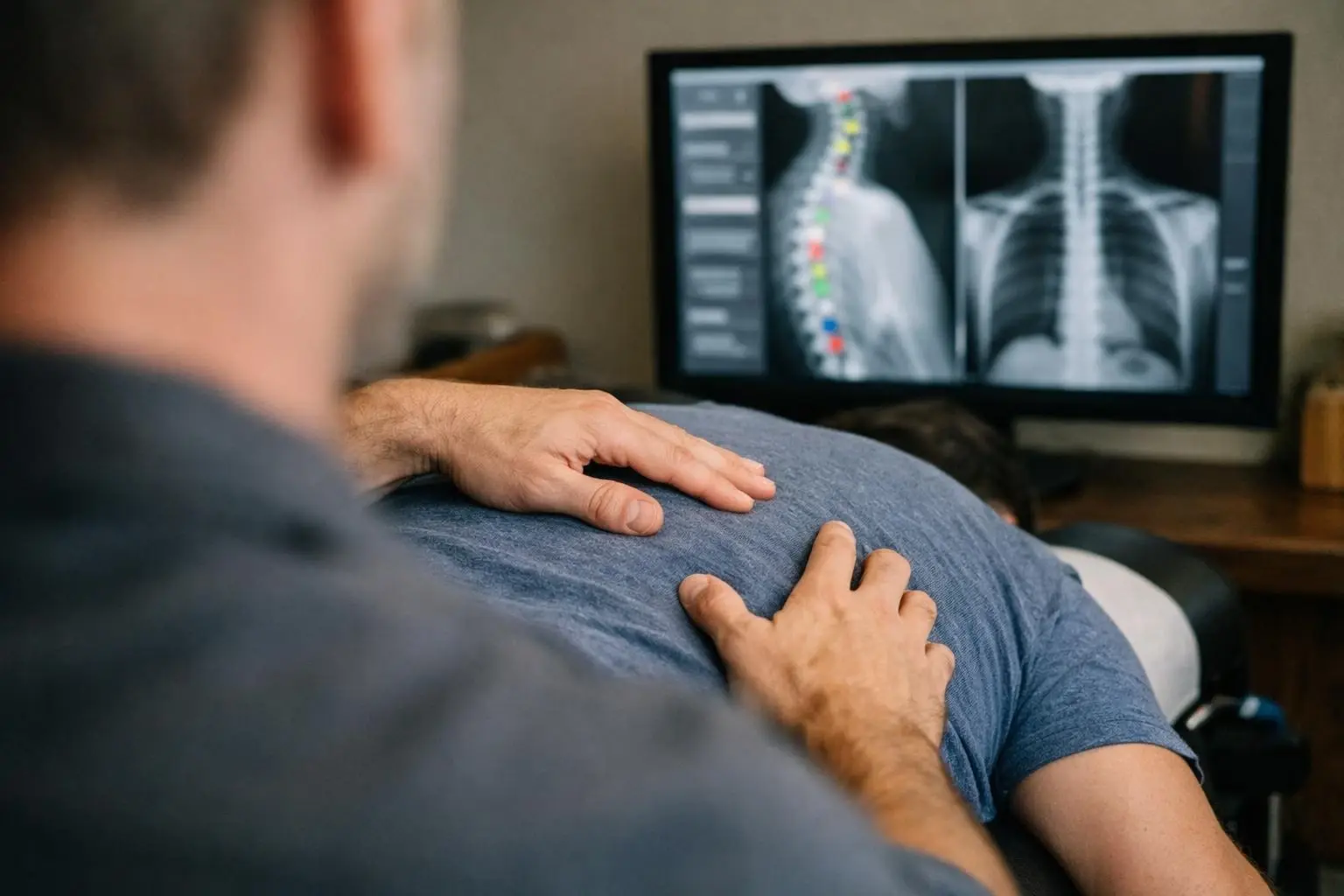
- Chiropractic Adjustments: A chiropractor (spine doctor) fixes joint problems. They use gentle moves to help your spine.
- This can reduce nerve pain. It helps your body move right again.
Posture Correction takes time. Bad posture builds up slowly. Fixing it needs work every day.
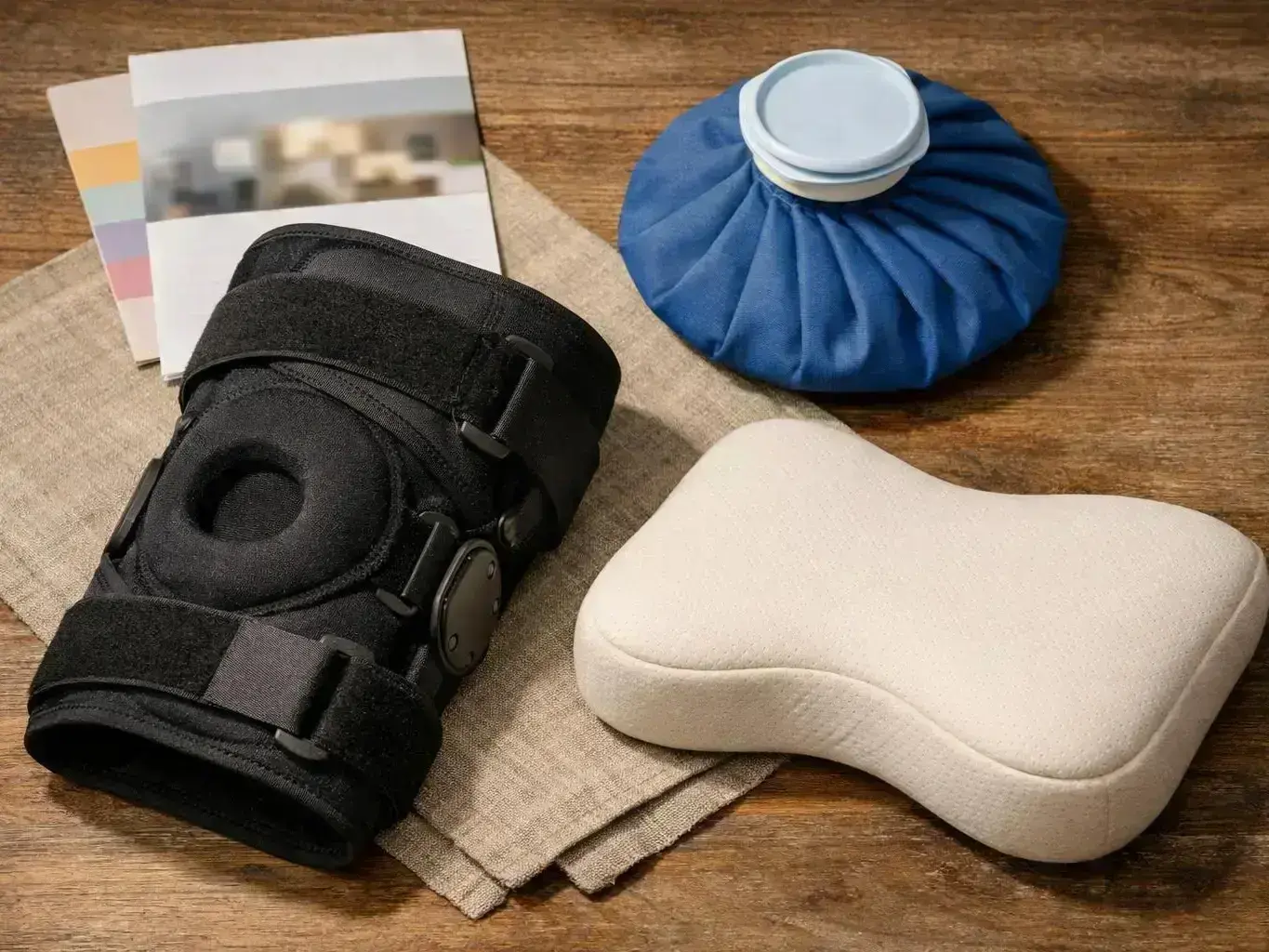
Tools like braces can remind you. Wearable devices help too. But new habits keep you on track.
Why Posture Correction Matters?
Poor posture doesn’t just cause aches. It can lead to long-term pain. It may even hurt your organs.
When your spine is crooked, muscles and joints strain. This can cause headaches or back pain. It may lead to sciatica (nerve pain in your leg).
Over time, it wears down cartilage. This raises the risk of arthritis. It can also cause disc problems in your back.
Slouching squishes your lungs and stomach. This makes breathing harder. It can also hurt digestion.
Posture affects your mood and energy. Standing tall can make you feel confident. Slouching can make you tired.
Good posture helps athletes move better. It lowers injury risk. It keeps you safe in daily life too.
Proper alignment helps balance. This prevents falls, especially for older adults.
When Posture Correction Matters Most?
Posture Correction helps people who sit a lot. Office workers and students need it. Drivers do too.
Sitting too long weakens your core. It tightens hip muscles. This pulls your pelvis out of place.
Jobs with repeating motions can hurt posture. Lifting or typing can cause problems. Athletes may also need help.
Bad posture can mess up their form. This raises injury risk. It can cause strains or sprains.
Some life stages need extra help. Teens with heavy backpacks get neck pain. Phones make it worse.
Pregnant women may feel back strain. Their center of gravity changes. Older adults lose muscle and bone.
Good posture lowers fall risk. It helps after injuries too. Like whiplash or a herniated disc.
It keeps your body healing right. It stops other areas from straining.
In Savannah, GA, humidity and outdoor fun are common. This can cause muscle or joint stress.
Posture Correction helps locals stay active. It keeps them pain-free. Whether sitting, lifting. Or playing sports.