Glossary

What is Graston Technique?

Graston Technique is an evidence-based form of instrument-assisted soft tissue mobilization used by chiropractors, physical therapists. And athletic trainers. Graston Technique helps break down scar tissue and fascial restrictions, improves range of motion. And reduces pain in muscles, tendons. And ligaments after injury or overuse.

Reviewed by ChiropractorSavannah.linkSources reviewed: Graston Technique Official Website, Journal of Orthopaedic & Sports Physical Therapy

Quick Facts About Graston Technique

Category

Soft tissue therapy

Used for

Muscle, tendon. And ligament injuries

Common confusion

Not a massage; uses tools instead of hands

Also called

Graston therapy, Instrument-assisted soft tissue mobilization (IASTM)

Often discussed with

Chiropractic Consultation and Diagnosis, Sports Injury Chiropractic Care

Key Takeaways About Graston Technique

Understanding Graston Technique
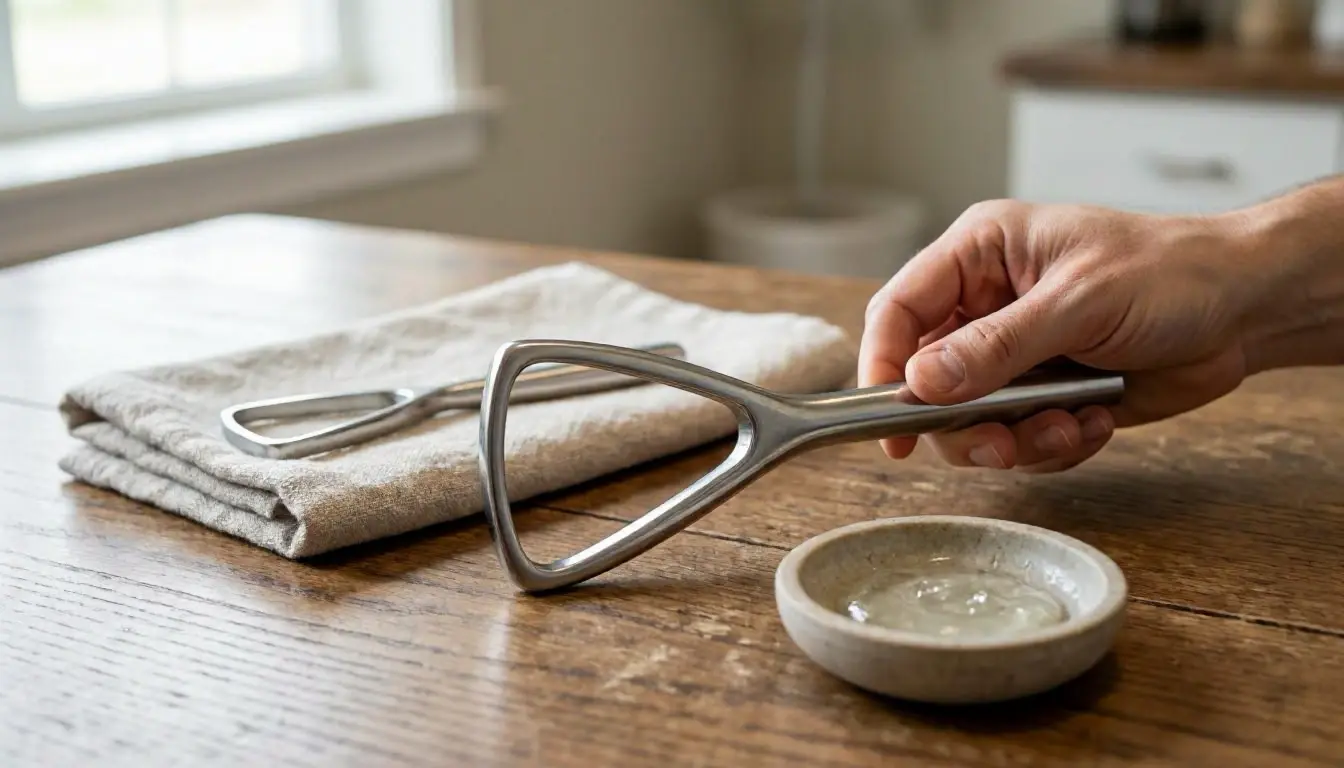
Graston Technique in Chiropractor: Graston Technique is an evidence-based form of instrument-assisted soft tissue mobiliza...

Graston Technique uses tools to help heal injuries. The tools are made of steel. They have special edges and curves.

Related glossary terms: Soft Tissue Therapy, Myofascial Release, Physical Rehabilitation.

They fit different parts of the body. A trained person moves the tool on your skin. This finds tight spots or scars.

You might not feel these spots with just hands. The tool makes them easier to find.

This method works like other hands-on treatments. But tools make it work better. It helps with problems like tendonitis (pain in tendons).

It also helps with muscle strains and scars after surgery. It may cause redness for a short time. Most people find it easy to handle.

It helps you move better and feel less pain.

How Graston Technique Works?

Graston Technique works by gently hurting the sore spot. This is called microtrauma (a tiny injury). The tools help break up scars and tight spots.

These spots form after injury, surgery. Or overuse. The tiny injury tells your body to heal. Blood flows to the area to fix it.

This helps the tissue heal better. It becomes healthier and works like it should.

This treatment is part of a bigger plan. After a session, you might stretch or do exercises. You may also use ice or other treatments.

Each session lasts 10-15 minutes. Most people need 6-12 sessions. It depends on your problem.

The tools come in different shapes. They help with different muscles and injuries.

Why Graston Technique Matters?
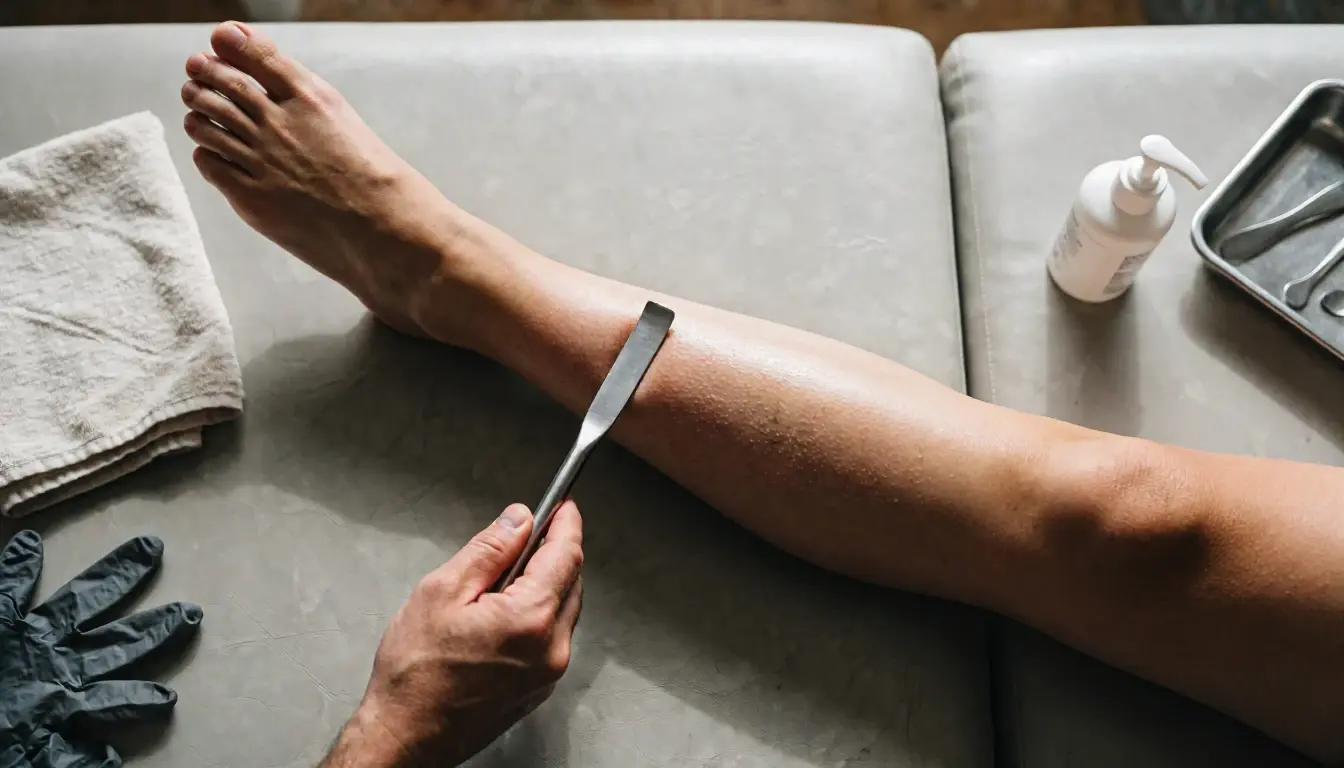
How Graston Technique applies to Chiropractor services in Savannah, United States—practical illustration

Graston Technique helps with injuries that cause pain. These injuries often heal with tight spots. Tight spots make it hard to move.

Scars and tight spots form after sprains or surgery. They can make you stiff and sore. Graston breaks up these spots.

This helps you move normally again. It also cuts down on pain. You don’t need surgery or medicine.

Athletes like this treatment. It helps them heal faster. It works for tendonitis (tendon pain) or muscle strains.

It also helps people after surgery. It works for injuries from doing the same thing over and over. It even helps with plantar fasciitis (foot pain).

Doctors and research support this method. It’s used in sports medicine and physical therapy.

When Graston Technique Matters Most?

Graston helps when rest or ice don’t work. It’s good for long-term swelling. This includes tennis elbow or Achilles pain.

It also helps with shoulder injuries. People with tight spots move better after treatment. They feel less pain.

It helps after surgery too. Scars can slow healing. Graston is used with other treatments.

These include chiropractic care or laser therapy. It’s not a cure by itself. But it helps the whole plan work better.

Most people feel better in 3-4 sessions. Full healing depends on your problem. It also depends on following the plan.
How to Evaluate Graston Technique?

Related Concepts Compared

Graston Technique vs. Myofascial Release

Myofascial release uses hands or foam rollers to stretch and release tight fascia. While Graston Technique uses stainless-steel tools to break down scar tissue and adhesions.

Graston Technique vs. Massage Therapy

Massage therapy uses hands to manipulate soft tissues for relaxation or pain relief. While Graston Technique uses tools to target specific areas of scar tissue or restriction.

Graston Technique vs. Active Release Technique (ART)

ART combines movement and manual pressure to treat soft tissue injuries. While Graston Technique uses tools to scan and treat restricted areas without active patient movement.

Expert Note

Graston Technique is most effective when integrated into a broader rehabilitation plan. The tools provide precision that hands alone cannot. But stretching, strengthening. And other therapies are essential for lasting results. Always follow post-treatment instructions to maximize benefits and minimize discomfort.

Common Mistakes or Myths About Graston Technique

  • Assuming Graston Technique is painful; mild discomfort is normal. But severe pain is not.
  • Expecting immediate results; most conditions require multiple sessions.
  • Skipping recommended stretching or exercises after treatment, which limits effectiveness.
  • Choosing a provider who is not certified in Graston Technique.
  • Confusing Graston Technique with massage or other manual therapies.

Graston Technique in Practice: A Real-World Example

A runner with chronic Achilles tendonitis visits a chiropractor trained in Graston Technique. During treatment, the chiropractor uses a curved instrument to locate and break down scar tissue in the tendon. After 8 sessions combined with stretching and strengthening exercises, the runner’s pain decreases. And they return to running without discomfort.

Sources & Further Reading on Graston Technique

Related Services

Related Terms

Soft Tissue Therapy

Soft Tissue Therapy is a hands-on treatment method that targets muscles, tendons, ligaments. And fascia to reduce pain, improve mobility. And aid recovery. Soft Tissue Therapy uses techniques like massage, stretching. And pressure to break up scar tissue, relieve tension. And restore normal function without surgery or medication.

Myofascial Release

Myofascial Release is a hands-on therapy that gently stretches and loosens tight fascia, the connective tissue surrounding muscles. This technique helps reduce pain, improve movement. And restore flexibility by applying sustained pressure to release tension in the fascia and underlying muscles.

Physical Rehabilitation

Physical Rehabilitation is a structured healthcare process designed to help individuals regain strength, mobility. And function after injury, surgery. Or illness. Physical Rehabilitation involves exercises, manual therapies. And education to restore movement, reduce pain. And improve daily activities. It's often supervised by licensed professionals like physical therapists, chiropractors.

Ligament Injury

Ligament Injury is damage to the tough, flexible bands of tissue that connect bones to other bones at joints. Ligament injuries often occur during sports, falls. Or sudden twists, causing pain, swelling. And reduced joint stability. Common types include sprains, which range from mild stretching to complete tears. And may require rest, therapy.

Chiropractic Care

Chiropractic Care is a healthcare discipline focused on diagnosing and treating musculoskeletal disorders, particularly those related to the spine. Chiropractic Care uses non-surgical, drug-free methods, primarily spinal adjustments, to alleviate pain, improve mobility. And support the body’s natural healing processes. Practitioners, called chiropractors, undergo extensive training to assess and address issues like back pain, neck pain.

ChiropractorSavannah.link

Have Questions About Graston Technique?

Contact ChiropractorSavannah.link for practical guidance on Graston Technique and related chiropractor work in Savannah.

+1 912-378-1371