Understanding Soft Tissue Therapy
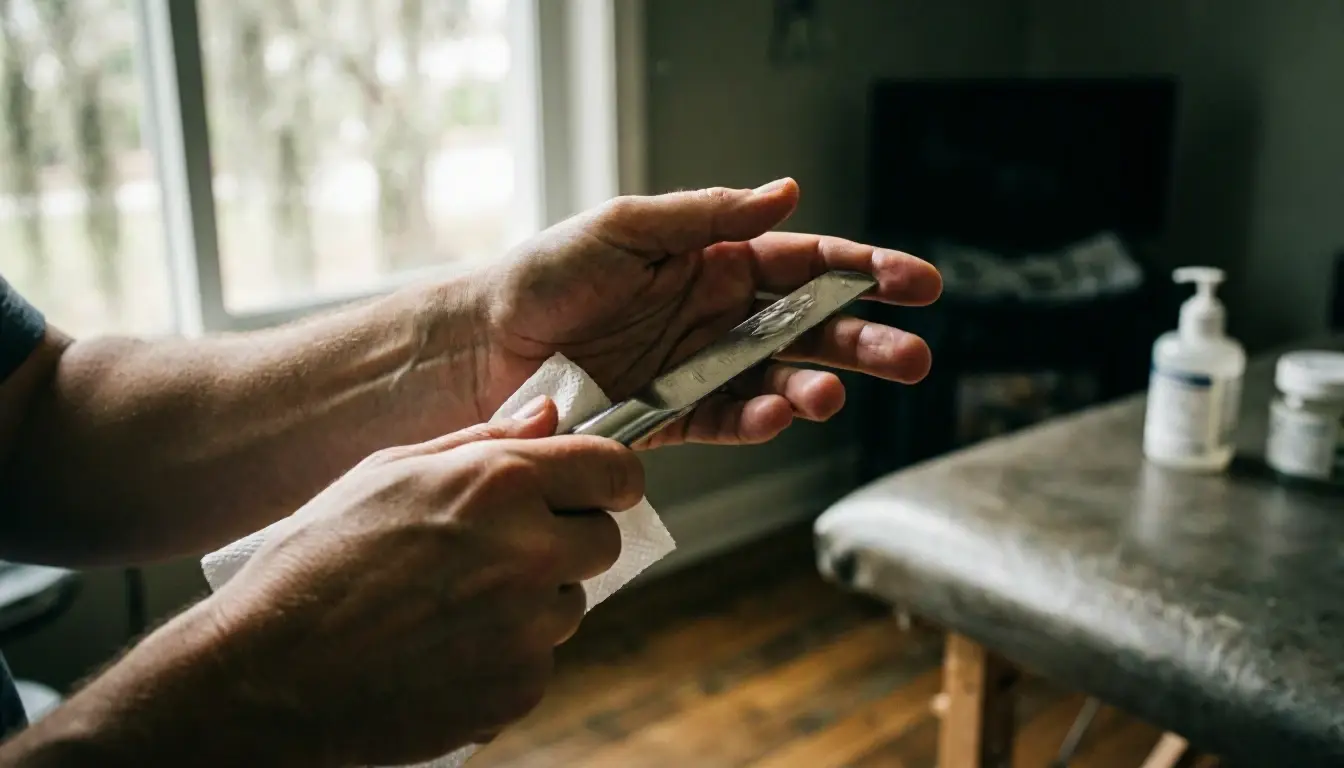
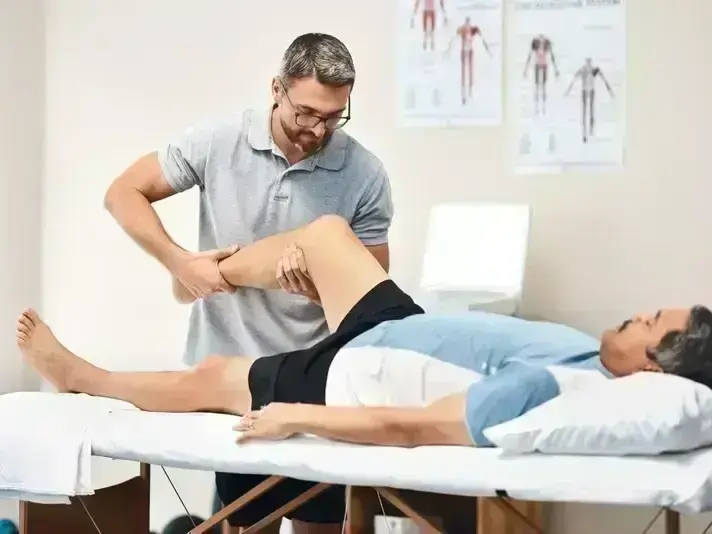
Soft Tissue Therapy helps the body's soft parts. These parts are muscles, tendons, ligaments. And fascia.
Related glossary terms: Myofascial Release, Chiropractic Adjustment, Physical Rehabilitation.
It's not like chiropractic care. Chiropractic care works on bones and joints.
Soft tissues can get tight or hurt. This happens from injury, overuse. Or bad posture.
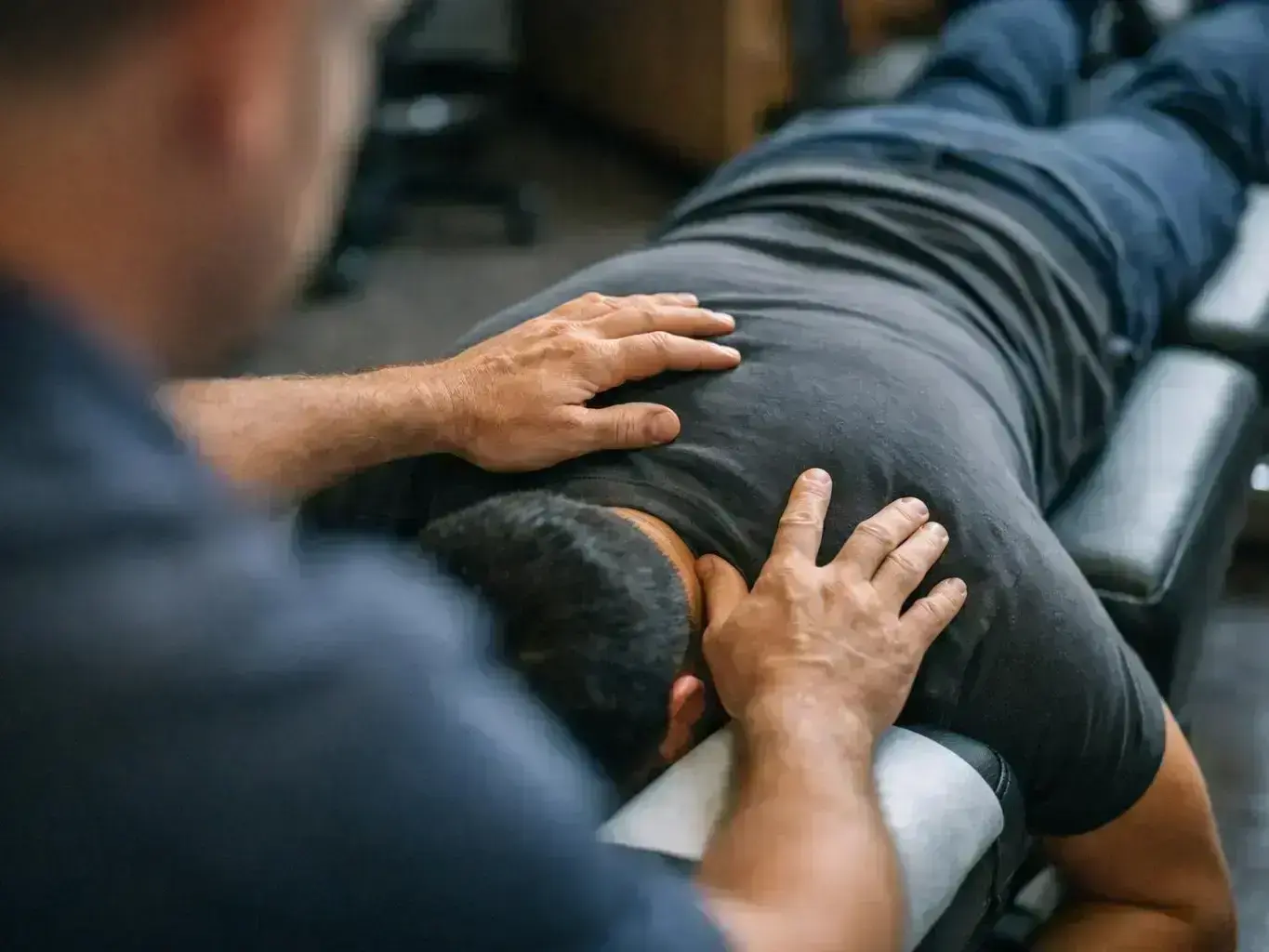
Therapy uses pressure, stretching. And massage. It helps tissues work better, eases pain. And makes you more flexible.
Some think it's just a fancy massage. But it's not the same.
Massage helps you relax. Soft Tissue Therapy fixes problems.
It works on muscle knots and scar tissue. It helps you move better.
A car accident victim might use it. It can ease neck or shoulder stiffness.
Athletes use it too. It stops injuries from doing the same motion again and again.
How Soft Tissue Therapy Works?
Therapy boosts blood flow. It breaks up adhesions (sticky scar tissue bands).
It helps the body heal itself. Methods change based on what you need.
One method is myofascial release. It puts gentle, steady pressure on tight fascia.
Fascia is like a web. It wraps around muscles.
Trigger point therapy works on knots. These knots can cause pain elsewhere.
Deep tissue massage uses slow, firm strokes. It reaches deep muscle layers.
A therapist checks how you move. They look for pain patterns.
They use their hands to ease tension. They help blood flow and movement.
Sessions last 30 to 60 minutes. You might feel sore after.
This feels like workout soreness. It goes away in a day or two.
Then muscles feel looser. They feel more relaxed too.
Therapy often mixes with other treatments. These can be chiropractic or exercises.
A chiropractor might adjust your spine. Then they use therapy to relax tight muscles.
This mix helps you heal faster. It helps you keep results longer.
Why Soft Tissue Therapy Matters?
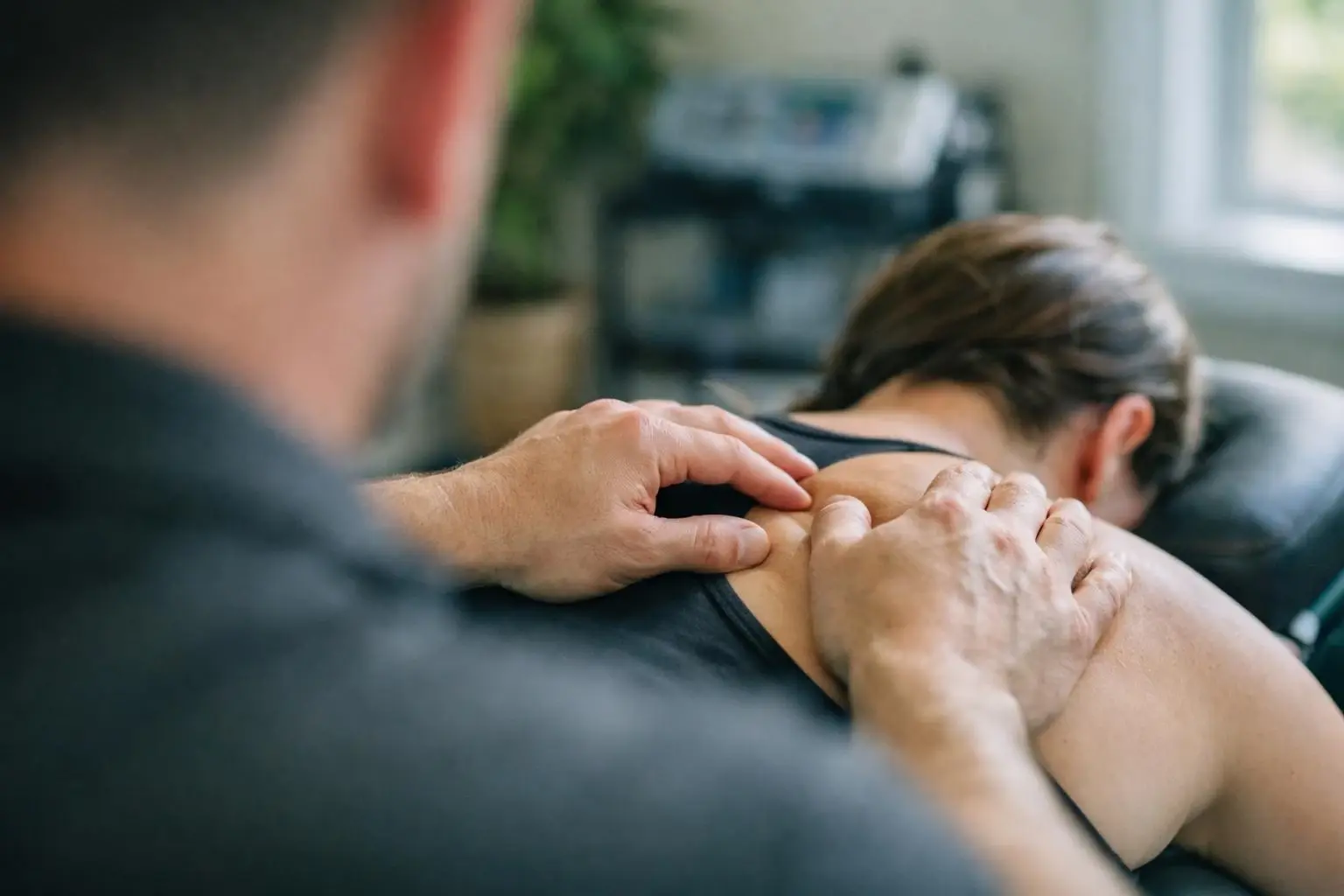
Therapy fixes pain causes others miss. Tight or hurt muscles can pull joints.
They can pinch nerves. They can limit how you move.
This can cause lasting pain. It can cause headaches or injuries.
Therapy eases tension. It helps your body move better.
It also cuts stress on joints and nerves.
It helps you heal faster after injuries. Scar tissue forms as you heal.
Too much scar tissue can make you stiff. Therapy breaks it down.
Then muscles and tendons move smoothly again. This helps athletes and workers.
Without it, small injuries can cause big problems. These can last for months.
When Soft Tissue Therapy Matters Most?
Therapy helps when pain comes from soft tissues. It's not for bone or joint issues.
It helps after car accidents or sports injuries. It also helps with tendonitis.
Tendonitis is a repetitive strain injury. People with chronic pain use it too.
It helps with fibromyalgia and plantar fasciitis. It eases tension headaches.
Office workers use it for neck or back pain. Bad posture causes this pain.
Therapy helps after surgery or big injuries. Muscles get weak and tight.
It keeps muscles flexible. It stops stiffness.
This makes it easier to get strong again. Athletes use it to stop injuries.
It fixes tightness before it gets worse. It can stop muscle tears or joint strains.
In Savannah, GA, therapy helps many people. It helps after work injuries or car accidents.
The humid weather can cause muscle tension. Active people get overuse injuries.
Therapy helps them move better. It cuts pain too.