Glossary

What is Active Release Technique?

Active Release Technique is a hands-on soft tissue treatment used by chiropractors and therapists to break up scar tissue and adhesions in muscles, tendons. And ligaments. It combines precise pressure with patient movement to restore normal function, reduce pain. And improve flexibility. Developed in the 1980s, it targets repetitive strain injuries, sports injuries. And chronic muscle tightness.

Reviewed by ChiropractorSavannah.linkSources reviewed: Active Release Techniques Official Website, National Institute of Arthritis and Musculoskeletal and Skin Diseases

Quick Facts About Active Release Technique

Category

Soft tissue therapy

Used for

Muscle tightness, scar tissue, repetitive strain injuries

Common confusion

Often mistaken for massage or general stretching

Also called

ART

Often discussed with

Sports Injury Chiropractic Care, Work Injury Treatment

Key Takeaways About Active Release Technique

Understanding Active Release Technique
Active Release Technique in Chiropractor: Active Release Technique is a hands-on soft tissue treatment used by chiropracto...

ART is a special treatment. It helps with problems in soft tissues. These tissues include muscles, tendons. And nerves.

Related glossary terms: Soft Tissue Therapy, Chiropractic Care, Myofascial Release.

Massage helps you relax. ART is different. It finds and fixes scar tissue. This tissue can cause pain and limit movement.

Scar tissue forms after injuries. It can also form from overuse. Poor posture can cause it too. This tissue makes muscles tight and weak.

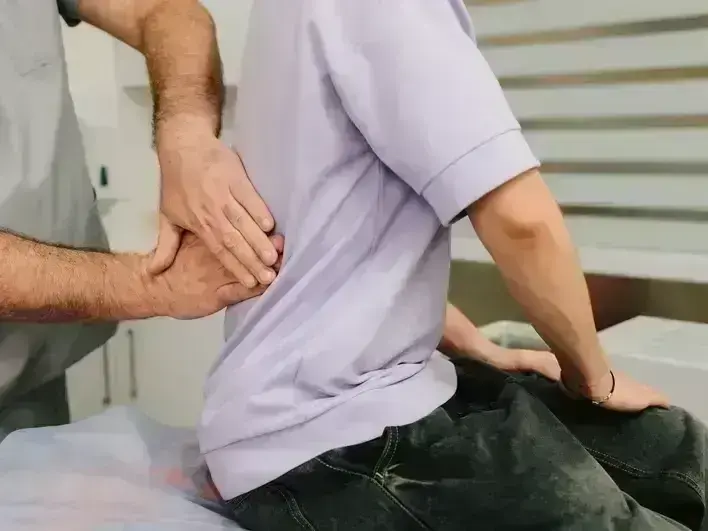
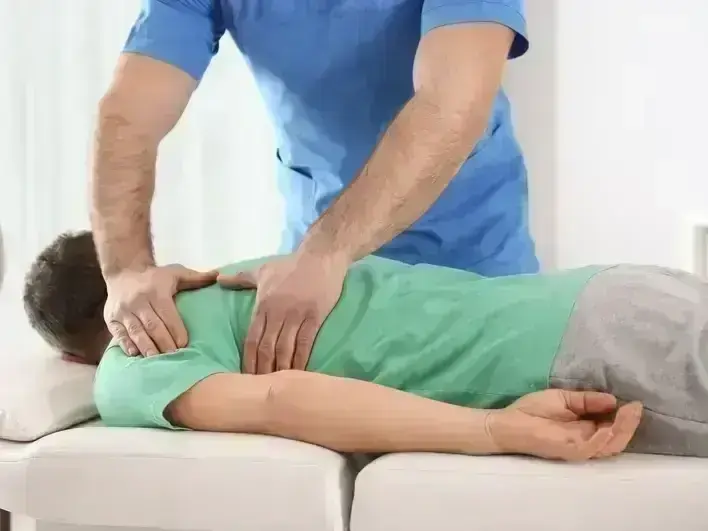
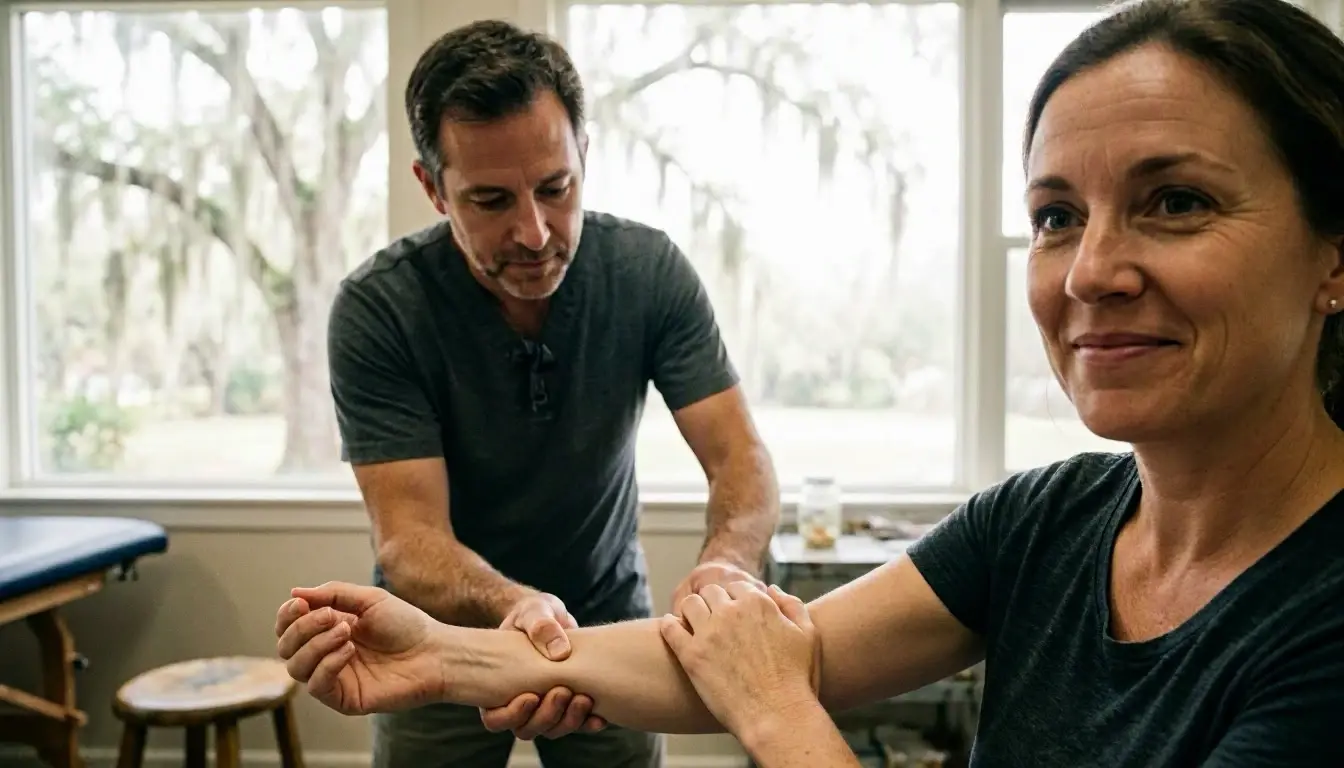
ART finds these problem spots. The provider presses on them. You move the hurt area as they press.

ART started in the 1980s. A chiropractor named P. Michael Leahy made it. He saw how scar tissue hurt his patients.

He noticed injuries made tissues tight. Traditional treatments didn't always help. So he mixed touch with movement.

This mix breaks down bad tissue. Muscles and joints move better. ART works well for many conditions.

It helps with carpal tunnel (wrist pain). It helps with plantar fasciitis (foot pain). It can ease shoulder or back pain too.

How Active Release Technique Works?

First, the provider checks your movement. They look for tight or sore spots. These spots show where scar tissue is.

They use their hands to feel. They check for tightness or texture changes. These changes mean scar tissue is there.

Next, they press on the spot. They guide you to move. These moves help break up stuck tissue.

This mix of press and move is special. It helps more than stretching alone. For example, it can fix a tight hamstring.

The provider presses on the muscle. You bend and straighten your knee. This stretches and frees the tissue.

Sessions last 10 to 15 minutes. You'll often feel better right away. But bad problems may need more visits.

Why Active Release Technique Matters?
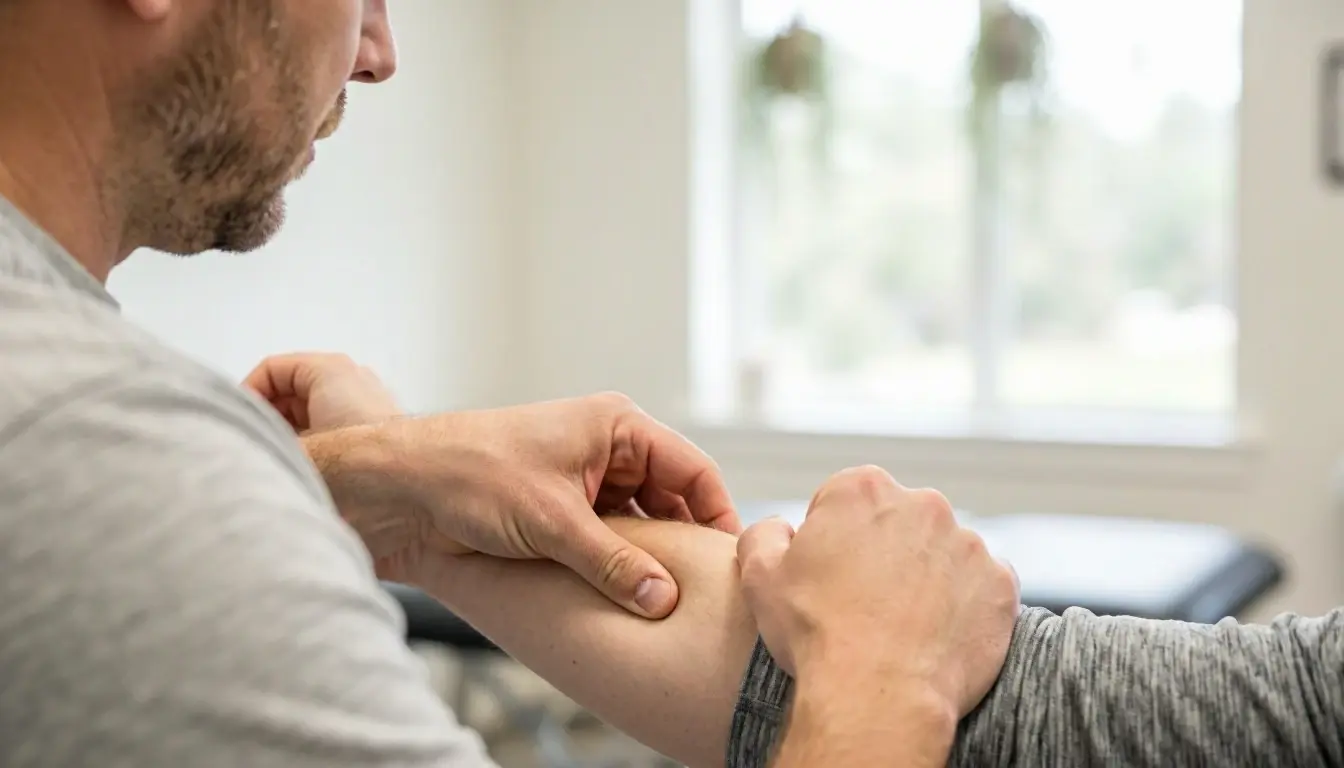
How Active Release Technique applies to Chiropractor services in Savannah, United States—practical illustration

ART helps with soft tissue injuries. These injuries can hurt daily life. They can affect work and sports too.

Many people get tight muscles. This happens from typing, lifting. Or running. Rest or ice may not fix it.

ART finds the real problem. It targets scar tissue. This helps your body heal better.

It also stops future injuries. Athletes heal faster. They perform better. Office workers get relief from pain.

ART helps blood flow too. It helps nerves work right. Scar tissue can squeeze nerves. This causes numbness or tingling.

ART breaks up this tissue. It lets nerves and blood move freely. This keeps tissues healthy.

It helps with sciatica (leg pain). It helps with tennis elbow. It can even ease headaches from neck tension.

When Active Release Technique Matters Most?

ART works best for ongoing pain. It helps with stiffness. It helps when you can't move well.

It's good for repetitive strain. This includes carpal tunnel (wrist pain). It helps runners with heel pain too.

It also helps with new injuries. These include sprains or strains. Scar tissue forms as they heal.

ART can help after surgery. It stops too much scar tissue. It keeps you flexible after knee or shoulder surgery.

ART is good when other treatments fail. Rest or therapy may not help. Medicine may not work either.

It's great for athletes. They can return to sports fast. But ART isn't for everyone.

People with weak bones shouldn't try it. Those with fractures or open wounds should avoid it. A provider will check if ART is safe for you.
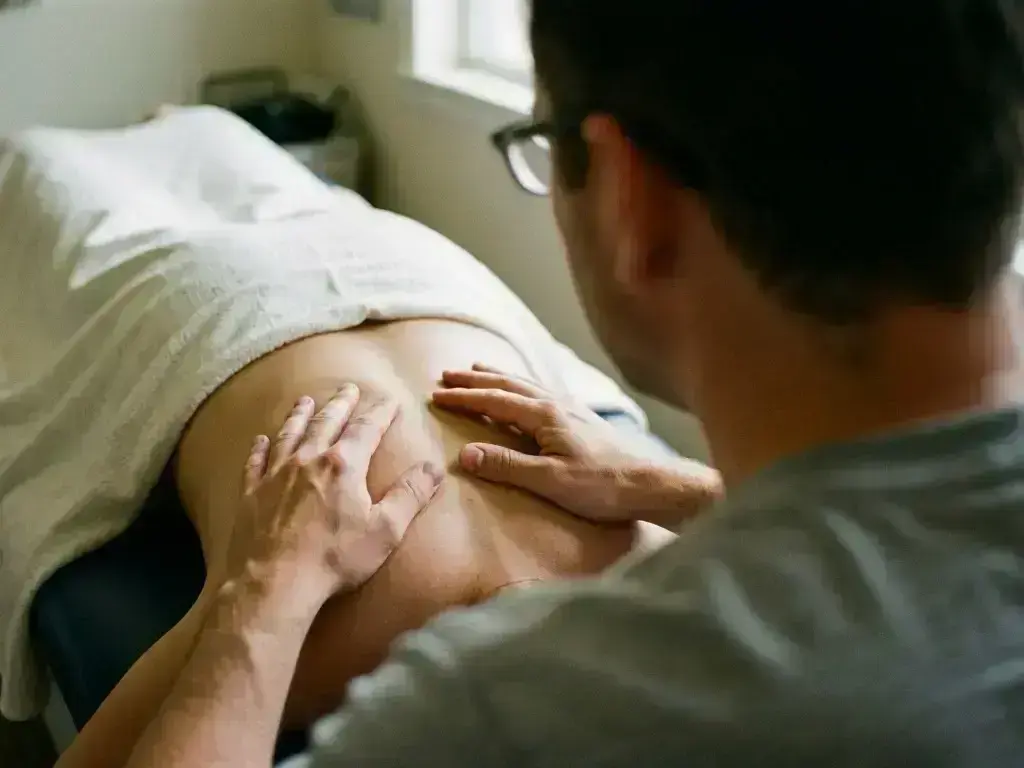
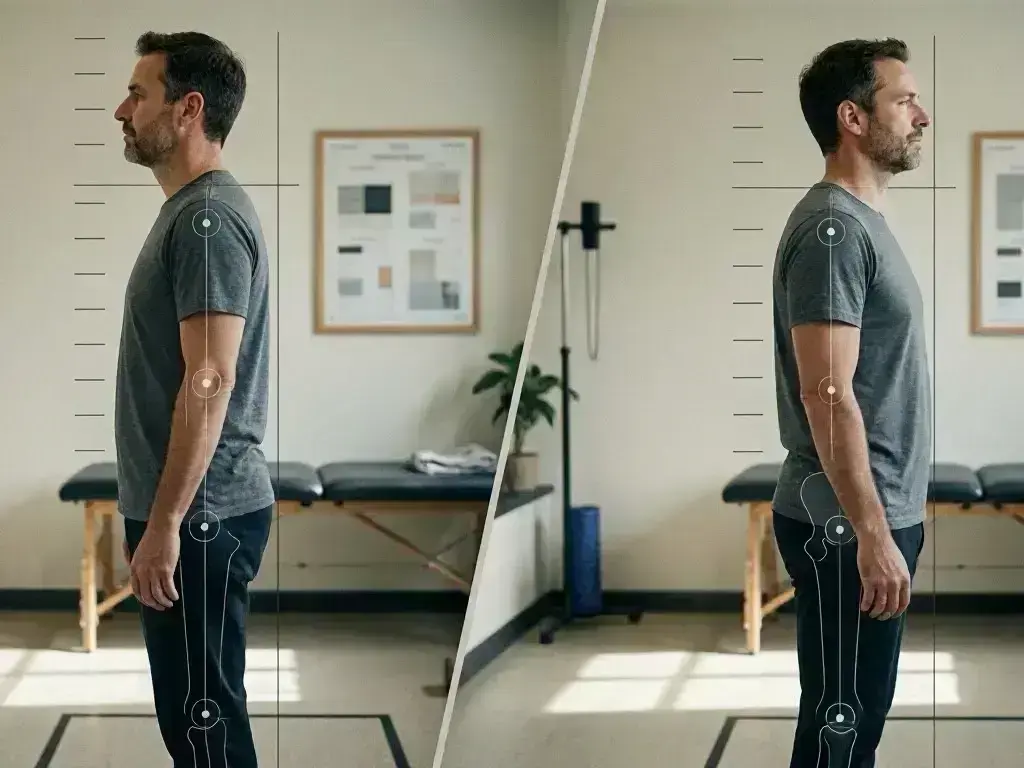
How to Evaluate Active Release Technique?

Related Concepts Compared

Active Release Technique vs. Graston Technique

Graston Technique uses metal tools to scrape and break up scar tissue. While ART relies on hands-on pressure and patient movement.

Active Release Technique vs. Myofascial Release

Myofascial release focuses on stretching and releasing the fascia layer. While ART targets specific adhesions in muscles, tendons. And ligaments.

Active Release Technique vs. Deep Tissue Massage

Deep tissue massage aims to relax muscles and improve circulation. While ART actively breaks down scar tissue and adhesions through movement.

Expert Note

ART is most effective when combined with rehabilitation exercises that reinforce proper movement patterns. Without follow-up care, scar tissue can reform, reducing the long-term benefits of treatment.

Common Mistakes or Myths About Active Release Technique

  • Assuming ART is the same as massage—ART targets scar tissue, not relaxation.
  • Expecting instant, permanent results after one session—multiple treatments are usually needed.
  • Choosing a provider without ART certification—proper training is essential for safety and effectiveness.
  • Ignoring follow-up exercises—ART works best when combined with movement re-education.
  • Using ART for fractures or severe osteoporosis—it is not safe for these conditions.

Active Release Technique in Practice: A Real-World Example

A marathon runner develops tightness and pain in their calf after increasing their training mileage. Their chiropractor identifies scar tissue in the gastrocnemius muscle and uses ART, applying pressure while the runner points and flexes their foot. After three sessions, the runner's flexibility improves. And they can train without pain.

Sources & Further Reading on Active Release Technique

Related Services

Related Terms

Soft Tissue Therapy

Soft Tissue Therapy is a hands-on treatment method that targets muscles, tendons, ligaments. And fascia to reduce pain, improve mobility. And aid recovery. Soft Tissue Therapy uses techniques like massage, stretching. And pressure to break up scar tissue, relieve tension. And restore normal function without surgery or medication.

Chiropractic Care

Chiropractic Care is a healthcare discipline focused on diagnosing and treating musculoskeletal disorders, particularly those related to the spine. Chiropractic Care uses non-surgical, drug-free methods, primarily spinal adjustments, to alleviate pain, improve mobility. And support the body’s natural healing processes. Practitioners, called chiropractors, undergo extensive training to assess and address issues like back pain, neck pain.

Myofascial Release

Myofascial Release is a hands-on therapy that gently stretches and loosens tight fascia, the connective tissue surrounding muscles. This technique helps reduce pain, improve movement. And restore flexibility by applying sustained pressure to release tension in the fascia and underlying muscles.

Ligament Injury

Ligament Injury is damage to the tough, flexible bands of tissue that connect bones to other bones at joints. Ligament injuries often occur during sports, falls. Or sudden twists, causing pain, swelling. And reduced joint stability. Common types include sprains, which range from mild stretching to complete tears. And may require rest, therapy.

Physical Rehabilitation

Physical Rehabilitation is a structured healthcare process designed to help individuals regain strength, mobility. And function after injury, surgery. Or illness. Physical Rehabilitation involves exercises, manual therapies. And education to restore movement, reduce pain. And improve daily activities. It's often supervised by licensed professionals like physical therapists, chiropractors.

ChiropractorSavannah.link

Have Questions About Active Release Technique?

Contact ChiropractorSavannah.link for practical guidance on Active Release Technique and related chiropractor work in Savannah.

+1 912-378-1371