Glossary

What is Myofascial Release?

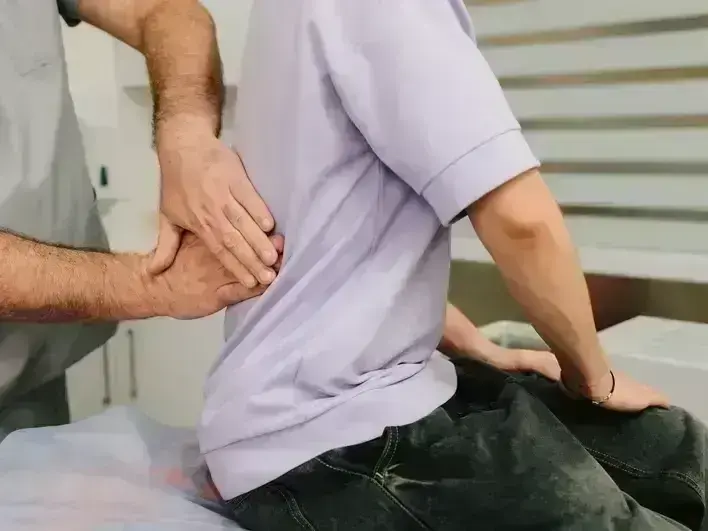
Myofascial Release is a hands-on therapy that gently stretches and loosens tight fascia, the connective tissue surrounding muscles. This technique helps reduce pain, improve movement. And restore flexibility by applying sustained pressure to release tension in the fascia and underlying muscles.

Reviewed by ChiropractorSavannah.linkSources reviewed: National Institute of Arthritis and Musculoskeletal and Skin Diseases, American Physical Therapy Association

Quick Facts About Myofascial Release

Category

Soft tissue therapy

Used for

Pain relief, mobility improvement, injury recovery

Common confusion

Often mistaken for deep tissue massage. But focuses on fascia, not just muscles

Also called

MFR, Myofascial Therapy

Often discussed with

Personal Injury Chiropractic Care, Sports Injury Chiropractic Care

Key Takeaways About Myofascial Release

Understanding Myofascial Release
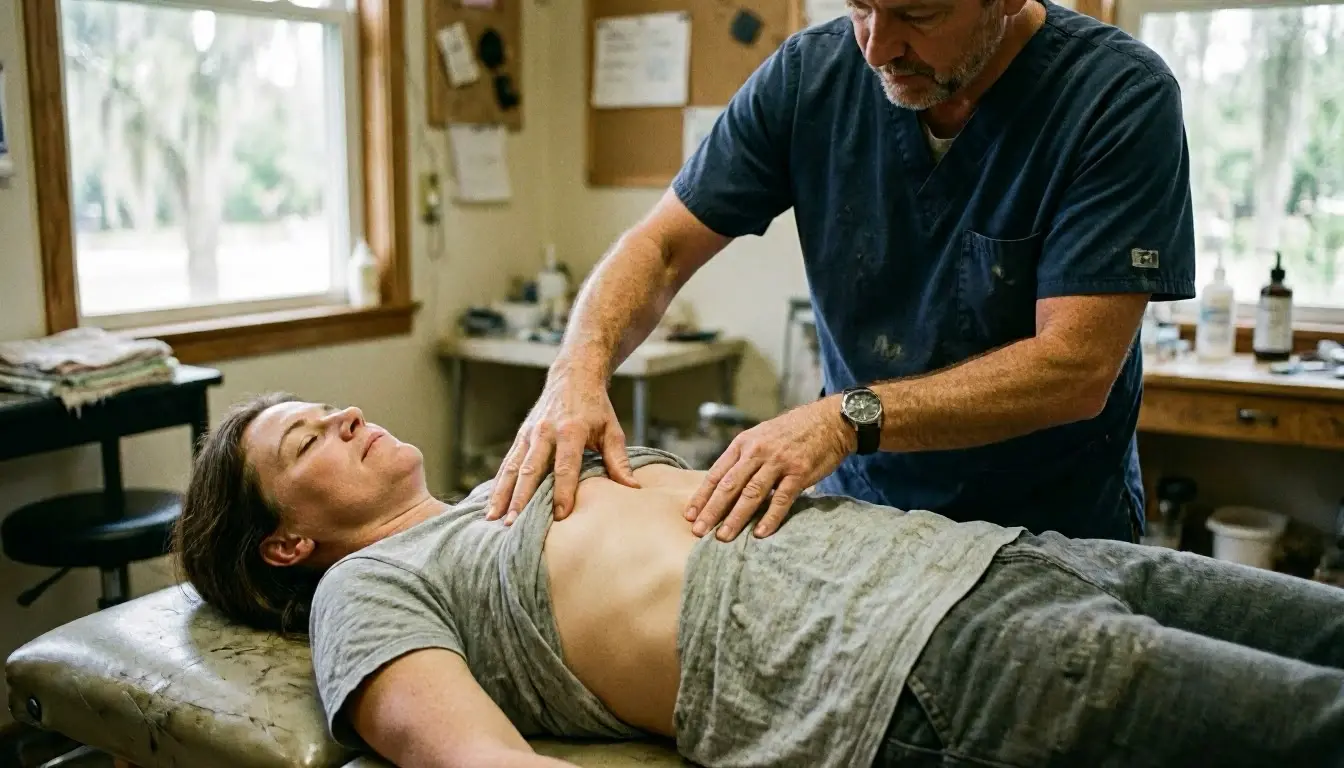
Myofascial Release in Chiropractor: Myofascial Release is a hands-on therapy that gently stretches and loosens tight—visua...

Myofascial Release is a type of hands-on therapy. It treats tightness in the fascia. Fascia is a thin layer around muscles and bones.

Related glossary terms: Soft Tissue Therapy, Chiropractic Care, Physical Rehabilitation.

Fascia supports your body. It helps you move smoothly. But it can get stiff from injury or bad posture.

Tight fascia pulls on muscles and nerves. This causes pain or stiffness. It can limit how far you can move.

Myofascial Release helps loosen tight fascia. It uses gentle, steady pressure. This restores flexibility and eases pain.

Massage mostly works on muscles. Myofascial Release works on fascia. It stretches and holds the tissue slowly.

You may feel the tissue loosen or melt. Fascia connects all through your body. Tightness in one spot can hurt another.

For example, tight fascia in your back can hurt your hips. Myofascial Release fixes these links. This helps your whole body move better.

How Myofascial Release Works?

Myofascial Release uses gentle pressure. It holds this pressure on tight fascia. A therapist finds these tight spots.

They use hands, fingers. Or tools. The therapist holds pressure steady. This lets the fascia stretch and release.

It takes a few minutes per spot. Fascia likes slow, steady pressure. Quick or hard pressure won't work as well.

The goal is to make fascia flexible again. It gets stiff from injury or bad posture. Healthy fascia moves smoothly with your body.

This therapy helps blood flow better. It also cuts down swelling. Both help your body heal and hurt less.

Sessions are hands-on. They may mix with other treatments. These can be chiropractic care or stretches.

People often feel a deep stretch. It may feel a bit sore as tight spots let go. Many feel better right away.

Some need more than one session. This gives lasting results. Most people can try it safely.

But it's not for everyone. People with open wounds or broken bones should avoid it. Those with severe osteoporosis should too.

Why Myofascial Release Matters?

How Myofascial Release applies to Chiropractor services in Savannah, United States—practical illustration

Myofascial Release helps with many problems. Tight fascia can limit movement. It can also cause pain.

For example, tight shoulders can cause neck pain. They can also cause headaches. This therapy helps loosen tight fascia.

It eases pain and helps you move better. It also helps your body heal itself.

This therapy treats the real cause of pain. It doesn't just hide symptoms. Many find relief from long-term pain.

It works well with other treatments. These can be chiropractic care or physical therapy. It gets your body ready for these.

This makes it great for injuries or sports. It's also good for overall health.

When Myofascial Release Matters Most?

Myofascial Release helps many people. It's good for those with long-term pain. It also helps after injuries.

It can help after sports injuries or car accidents. It helps with pain from daily work. Even sitting too long can cause problems.

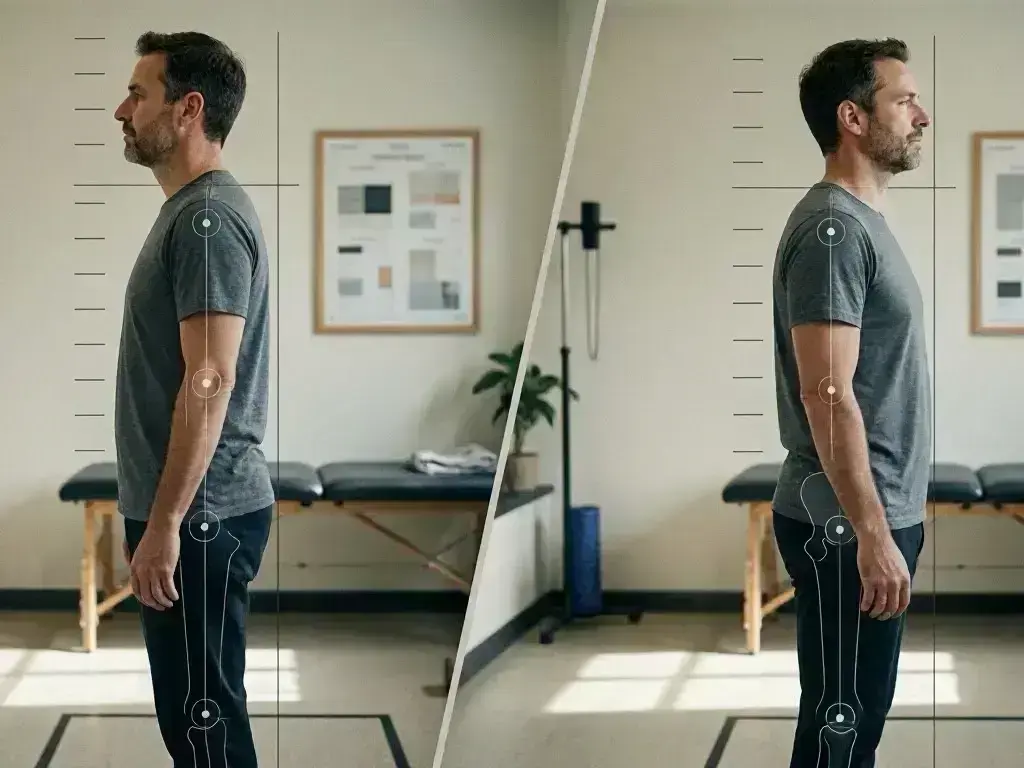
It works for posture issues too. People with muscle imbalances can benefit. Conditions like sciatica or fibromyalgia may improve.

Headaches caused by tension may also get better. Tight fascia can cause these problems.

Athletes use it to stay flexible. It cuts down on soreness. It can also prevent injuries.

It's part of warm-up or cool-down routines. This keeps fascia loose and ready. People in rehab use it too.

It helps regain movement after surgery. It also eases stiffness from not moving. Always talk to a trained professional first.

They can tell if it's right for you. They'll check your health needs.
How to Evaluate Myofascial Release?

Related Concepts Compared

Myofascial Release vs. Deep Tissue Massage

Deep Tissue Massage focuses on relieving muscle tension through firm pressure. While Myofascial Release targets the fascia, the connective tissue surrounding muscles, using gentle, sustained stretches.

Myofascial Release vs. Trigger Point Therapy

Trigger Point Therapy applies pressure to specific knots in muscles to relieve pain, whereas Myofascial Release works on the broader fascial network to improve overall mobility.

Expert Note

Myofascial Release is not a one-size-fits-all therapy. The amount of pressure and duration needed can vary depending on the individual’s condition and sensitivity. A skilled therapist will adjust the technique based on feedback and tissue response to achieve the best results.

Common Mistakes or Myths About Myofascial Release

  • Assuming Myofascial Release is the same as deep tissue massage, which focuses on muscles rather than fascia.
  • Expecting immediate results after one session, as fascia often requires multiple treatments to release fully.
  • Choosing a therapist without specific training in Myofascial Release, which may lead to ineffective or uncomfortable sessions.
  • Ignoring pain or discomfort during the session, as gentle pressure should not cause sharp or lasting pain.

Myofascial Release in Practice: A Real-World Example

After a car accident, a patient experiences chronic neck pain and stiffness. During a Myofascial Release session, the therapist identifies tight fascia in the upper back and shoulders. By applying gentle, sustained pressure, the fascia begins to release, reducing tension and improving the patient’s range of motion. Over several sessions, the patient notices less pain and greater ease of movement.

Related Services

Related Terms

Soft Tissue Therapy

Soft Tissue Therapy is a hands-on treatment method that targets muscles, tendons, ligaments. And fascia to reduce pain, improve mobility. And aid recovery. Soft Tissue Therapy uses techniques like massage, stretching. And pressure to break up scar tissue, relieve tension. And restore normal function without surgery or medication.

Chiropractic Care

Chiropractic Care is a healthcare discipline focused on diagnosing and treating musculoskeletal disorders, particularly those related to the spine. Chiropractic Care uses non-surgical, drug-free methods, primarily spinal adjustments, to alleviate pain, improve mobility. And support the body’s natural healing processes. Practitioners, called chiropractors, undergo extensive training to assess and address issues like back pain, neck pain.

Physical Rehabilitation

Physical Rehabilitation is a structured healthcare process designed to help individuals regain strength, mobility. And function after injury, surgery. Or illness. Physical Rehabilitation involves exercises, manual therapies. And education to restore movement, reduce pain. And improve daily activities. It's often supervised by licensed professionals like physical therapists, chiropractors.

Graston Technique

Graston Technique is an evidence-based form of instrument-assisted soft tissue mobilization used by chiropractors, physical therapists. And athletic trainers. Graston Technique helps break down scar tissue and fascial restrictions, improves range of motion. And reduces pain in muscles, tendons. And ligaments after injury or overuse.

Active Release Technique

Active Release Technique is a hands-on soft tissue treatment used by chiropractors and therapists to break up scar tissue and adhesions in muscles, tendons. And ligaments. It combines precise pressure with patient movement to restore normal function, reduce pain. And improve flexibility. Developed in the 1980s, it targets repetitive strain injuries, sports injuries. And chronic muscle tightness.

ChiropractorSavannah.link

Have Questions About Myofascial Release?

Contact ChiropractorSavannah.link for practical guidance on Myofascial Release and related chiropractor work in Savannah.

+1 912-378-1371