Understanding Chiropractic Biophysics

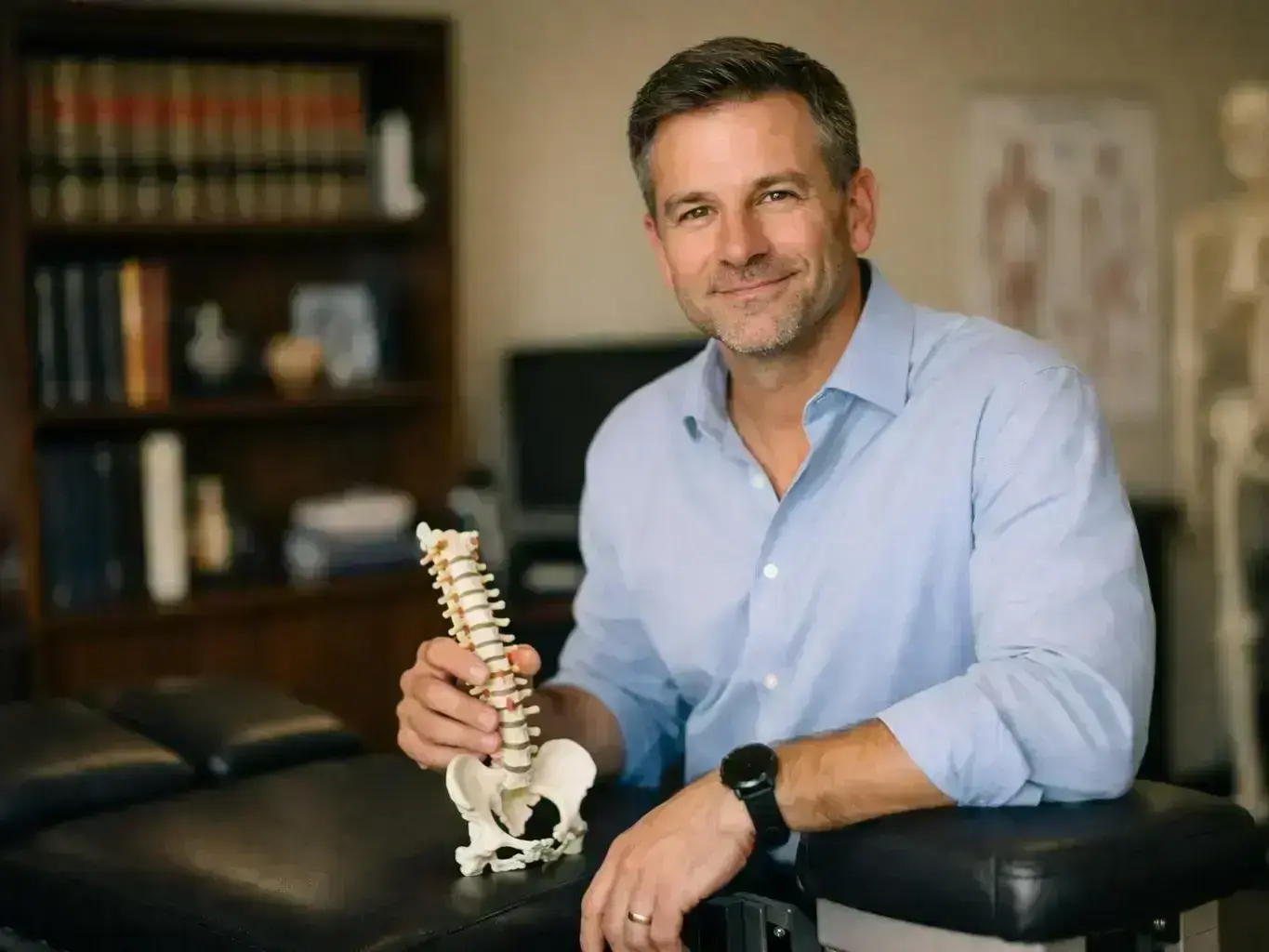
Chiropractic Biophysics (CBP) is a specialized approach within chiropractic care that applies principles of physics and biomechanics to diagnose and treat spinal misalignments. Unlike traditional chiropractic methods that focus primarily on relieving pain through manual adjustments, CBP aims to correct the underlying structural problems of the spine. This technique is grounded in the idea that poor spinal alignment can lead to chronic pain, reduced mobility. And other health issues over time.
Related glossary terms: Chiropractic Adjustment, Posture Correction, Spinal Manipulation.
The foundation of CBP lies in the belief that the spine should have specific, measurable curves to function optimally. When these curves deviate from the norm—whether due to injury, poor posture. Or developmental issues—it can place stress on muscles, nerves. And joints. CBP practitioners use detailed X-rays and postural analysis to identify these deviations and create a personalized treatment plan to restore the spine’s natural alignment.
How Chiropractic Biophysics Works?
Chiropractic Biophysics begins with a thorough assessment, including X-rays and posture analysis, to measure the spine’s alignment. Practitioners compare these measurements to ideal spinal curves, identifying areas where the spine has lost its natural shape. For example, a common issue addressed by CBP is the loss of the normal forward curve in the neck, which can contribute to chronic headaches, neck pain. And even numbness in the arms.
The treatment process involves a combination of mirror-image adjustments, traction. And exercises designed to gradually reshape the spine. Mirror-image adjustments involve positioning the patient in a way that mirrors their spinal deformity, allowing the chiropractor to apply gentle pressure to encourage the spine back toward its normal alignment. Traction devices may also be used to stretch the spine and relieve pressure on nerves and discs. Patients are often given specific exercises to strengthen supporting muscles and maintain the corrections achieved during treatment.
Because CBP is highly individualized, treatment plans can vary in length. Some patients may see improvements in a few weeks. While others with more severe spinal deformities, such as scoliosis, may require months or even years of consistent care. The goal is not just to relieve symptoms but to achieve lasting structural changes that improve overall health and function.
Why Chiropractic Biophysics Matters?

Chiropractic Biophysics matters because it addresses the root cause of many musculoskeletal problems rather than just masking symptoms. Poor spinal alignment can lead to a cascade of health issues, including chronic pain, reduced mobility. And even organ dysfunction in severe cases. By restoring the spine’s natural curves, CBP can alleviate pain, improve posture. And boost the body’s ability to heal itself. This approach is particularly valuable for individuals with conditions like scoliosis, kyphosis. Or chronic back pain that have not responded to traditional chiropractic care or physical therapy.
Another key benefit of CBP is its focus on long-term health. While many chiropractic techniques provide immediate relief, CBP aims to create lasting structural changes that can prevent future problems. For example, correcting a reversed neck curve can reduce the risk of degenerative disc disease and nerve compression over time. This proactive approach can lead to better overall health, improved quality of life. And reduced reliance on pain medications or invasive procedures.
When Chiropractic Biophysics Matters Most?
Chiropractic Biophysics is most beneficial for individuals with chronic spinal conditions that have not improved with other forms of treatment. This includes people suffering from long-term back or neck pain, scoliosis. Or postural issues caused by years of poor ergonomics, such as desk workers or drivers. It's also valuable for patients recovering from injuries, such as whiplash or sports-related trauma, where the spine has been forced out of its natural alignment.
CBP may also be recommended for individuals experiencing secondary symptoms related to poor spinal alignment, such as frequent headaches, numbness or tingling in the extremities. Or fatigue. Because the technique relies on precise measurements and gradual correction, it is particularly well-suited for patients who are committed to a long-term treatment plan and willing to participate in exercises and follow-up care. But it may not be the best option for those seeking quick fixes or who have conditions that require immediate medical intervention, such as fractures or severe infections.
For residents of Savannah, GA, Chiropractic Biophysics can be especially relevant due to the region’s active lifestyle, which includes sports, outdoor activities. And jobs that involve physical labor. These activities can place significant stress on the spine, making CBP a valuable tool for maintaining spinal health and preventing injuries.