Glossary

What is Chiropractic Adjustment?

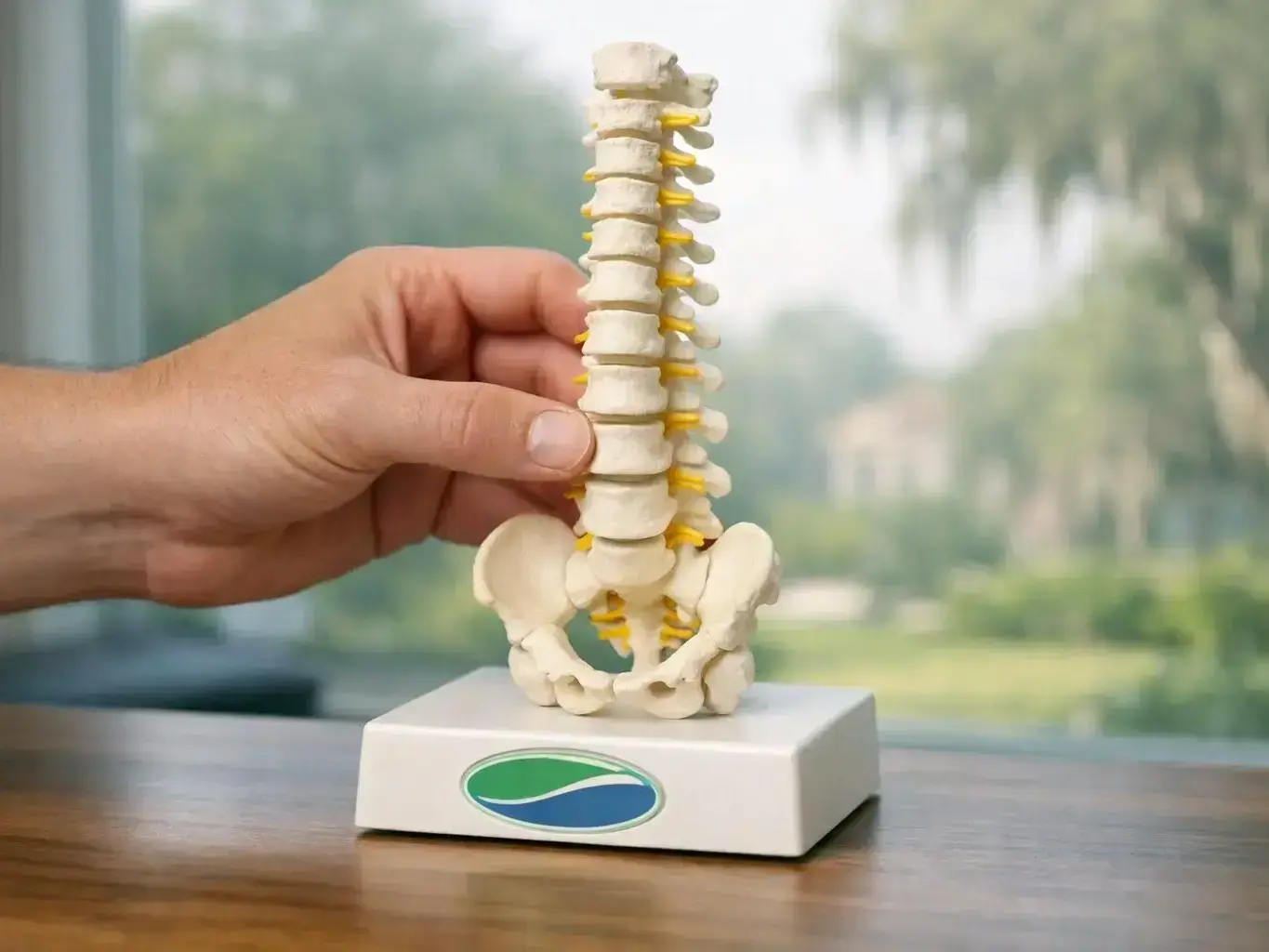
Chiropractic Adjustment is a manual procedure performed by a licensed chiropractor to apply controlled force to a specific joint, usually in the spine, to improve alignment, reduce nerve irritation. And restore normal movement. These adjustments aim to relieve pain, enhance function. And support the body’s natural healing process without surgery or medication.

Reviewed by Dr. Harry W. Brown, D.C.Sources reviewed: American Chiropractic Association, National Board of Chiropractic Examiners

Quick Facts About Chiropractic Adjustment

Category

Manual therapy

Used for

Joint pain, back pain, headaches. And mobility issues

Common confusion

Often mistaken for massage or physical therapy

Also called

Spinal Adjustment, Chiropractic Manipulation

Often discussed with

Chiropractic Consultation and Diagnosis, Car Accident Injury Rehabilitation

Key Takeaways About Chiropractic Adjustment

Understanding Chiropractic Adjustment

Chiropractic Adjustment in Chiropractor—Savannah

A chiropractic adjustment is a key part of chiropractic care. It's also called spinal manipulation.

Related glossary terms: Spinal Alignment, Diversified Technique, Chiropractic Care.

The chiropractor uses their hands. They may use a small tool too. They apply a quick, controlled force to a joint.

This helps fix misalignments. These are called subluxations (joints out of place). They can cause pain, stiffness. Or less movement.

Misalignments can happen from injuries. Poor posture can cause them too. Daily wear and tear can also lead to them.

Adjustments aren't like cracking your knuckles. The popping sound comes from gas bubbles. These bubbles are in the joint fluid.

Bones don't crack during an adjustment. The process is usually safe. A trained professional should do it.

Some people feel mild soreness after. It's like starting a new exercise.

How Chiropractic Adjustment Works?

The chiropractor checks your spine first. They look at joints and muscles. They find areas that don't move right.

They use their hands to feel for stiffness. They may ask you to move in certain ways. This checks your range of motion.

When they find the problem, they position you. They then apply a quick, precise thrust to the joint.

This thrust helps joints move normally. It can also relieve nerve pressure. Nerve irritation often causes pain.

It can cause tingling or numbness too. These can happen in other body parts. For example, a misaligned back bone can cause sciatica.

Sciatica is a sharp pain. It travels down the leg. Adjustments can help ease this pain.

Chiropractors use different techniques. These depend on your age and health. They also depend on your condition.

Some common methods are listed here. They include the Diversified Technique. There's also the Gonstead Technique and Thompson Technique.

Each method has its own approach. But all focus on better joint function. They help reduce discomfort too.

Why Chiropractic Adjustment Matters?

Chiropractic adjustments help manage pain. They don't involve surgery. Many people choose them instead of pain meds.

Meds can have side effects. They can also lead to dependency. Adjustments can work with other treatments too.

These include physical therapy or exercise. They can help you recover faster. This is true for injuries or long-term conditions.

Adjustments may also help your health. They can improve your nervous system. The spine protects your spinal cord.

The spinal cord carries messages. These go between your brain and body. Misaligned joints can interfere with these signals.

This can affect organ function. It might impact your immune system too. It can even affect your mood.

More research is needed. But some patients report better sleep. They also report better digestion and energy.

When Chiropractic Adjustment Matters Most?

Adjustments help people with pain. This can be new or long-term pain. Common reasons include back pain and neck pain.

Headaches and joint stiffness are common too. Adjustments can help after minor injuries. These include car accidents or sports injuries.

They can help after slips and falls too. Joints may get misaligned. But they aren't broken.

Adjustments aren't for everyone. Some conditions make them unsafe. These include severe osteoporosis.

Spinal cord compression is another. So is inflammatory arthritis. Talk to your doctor first.

The chiropractor will check your history. They'll do a physical exam too. This helps them recommend safe treatment.

Local customers can benefit. Regular adjustments help spinal health. They can prevent future problems.

Some people see a chiropractor often. It's like going to the dentist. This keeps their spine and joints working well.

It's important for active people. It's also key for tough jobs. This helps keep you moving and feeling good.

How to Evaluate Chiropractic Adjustment?

Related Concepts Compared

Chiropractic Adjustment vs. Mobilization

Mobilization uses slower, gentler movements to stretch joints and muscles. While chiropractic adjustment applies a quick, controlled force to realign joints.

Chiropractic Adjustment vs. Massage Therapy

Massage therapy focuses on relaxing muscles and improving circulation. While chiropractic adjustment targets joint alignment and nerve function.

Chiropractic Adjustment vs. Physical Therapy

Physical therapy often includes exercises and stretches to strengthen muscles. While chiropractic adjustment directly realigns joints to restore movement.

Expert Note

Chiropractic adjustments are highly effective for mechanical joint issues. But they work best when combined with lifestyle changes, such as improving posture, staying active. And managing stress. Always discuss your full health history with your chiropractor to ensure safe, personalized care.

Common Mistakes or Myths About Chiropractic Adjustment

  • Thinking adjustments are only for back pain—they can help with headaches, joint pain. And mobility issues too.
  • Assuming all chiropractors use the same technique—methods vary. And some may be gentler than others.
  • Expecting instant results—some people feel better after one session. But others need multiple visits for lasting relief.
  • Believing adjustments are unsafe—when performed by a licensed professional, they are generally low-risk.
  • Skipping follow-up care—regular adjustments and exercises often work better together for long-term benefits.

Chiropractic Adjustment in Practice: A Real-World Example

After a minor car accident, a Savannah resident experienced persistent neck pain and headaches. Their chiropractor identified a misalignment in the upper spine and performed a series of gentle adjustments. Within a few weeks, the pain decreased. And the patient regained full range of motion without needing pain medication.

Sources & Further Reading on Chiropractic Adjustment

Related Services

Related Terms

Spinal Alignment

Spinal Alignment is the proper positioning of the vertebrae in the spine, ensuring each bone is correctly stacked and balanced. This alignment supports healthy posture, reduces stress on muscles and nerves. And allows the body to move efficiently. Misalignment can cause pain, stiffness. Or nerve irritation and may result from injury, poor posture. Or daily wear and tear.

Diversified Technique

Diversified Technique is a widely used chiropractic method that involves hands-on spinal adjustments to restore proper alignment, improve joint function. And reduce pain. Diversified Technique relies on precise, high-velocity, low-amplitude thrusts applied to specific joints, often producing an audible popping sound known as a cavitation.

Chiropractic Care

Chiropractic Care is a healthcare discipline focused on diagnosing and treating musculoskeletal disorders, primarily through hands-on spinal adjustments and manipulations. Chiropractic Care aims to improve joint function, reduce pain. And support the body’s natural ability to heal without surgery or medication. Practitioners, called chiropractors, undergo extensive training to assess and address conditions related to the spine, nerves, muscles.

Joint Dysfunction

Joint Dysfunction is a condition where a joint in the body moves improperly or loses its normal range of motion, often causing pain, stiffness. Or inflammation. It can result from injury, overuse, poor posture. Or degenerative changes like arthritis. Joint Dysfunction may affect any joint, including the spine, shoulders, hips. Or knees. And can disrupt daily activities.

Arrowhead Clinic Chiropractor

Have Questions About Chiropractic Adjustment?

Contact Arrowhead Clinic Chiropractor for practical guidance on Chiropractic Adjustment and related chiropractor work in Savannah.

+1 912-378-1371