Understanding Atlas Orthogonal Technique

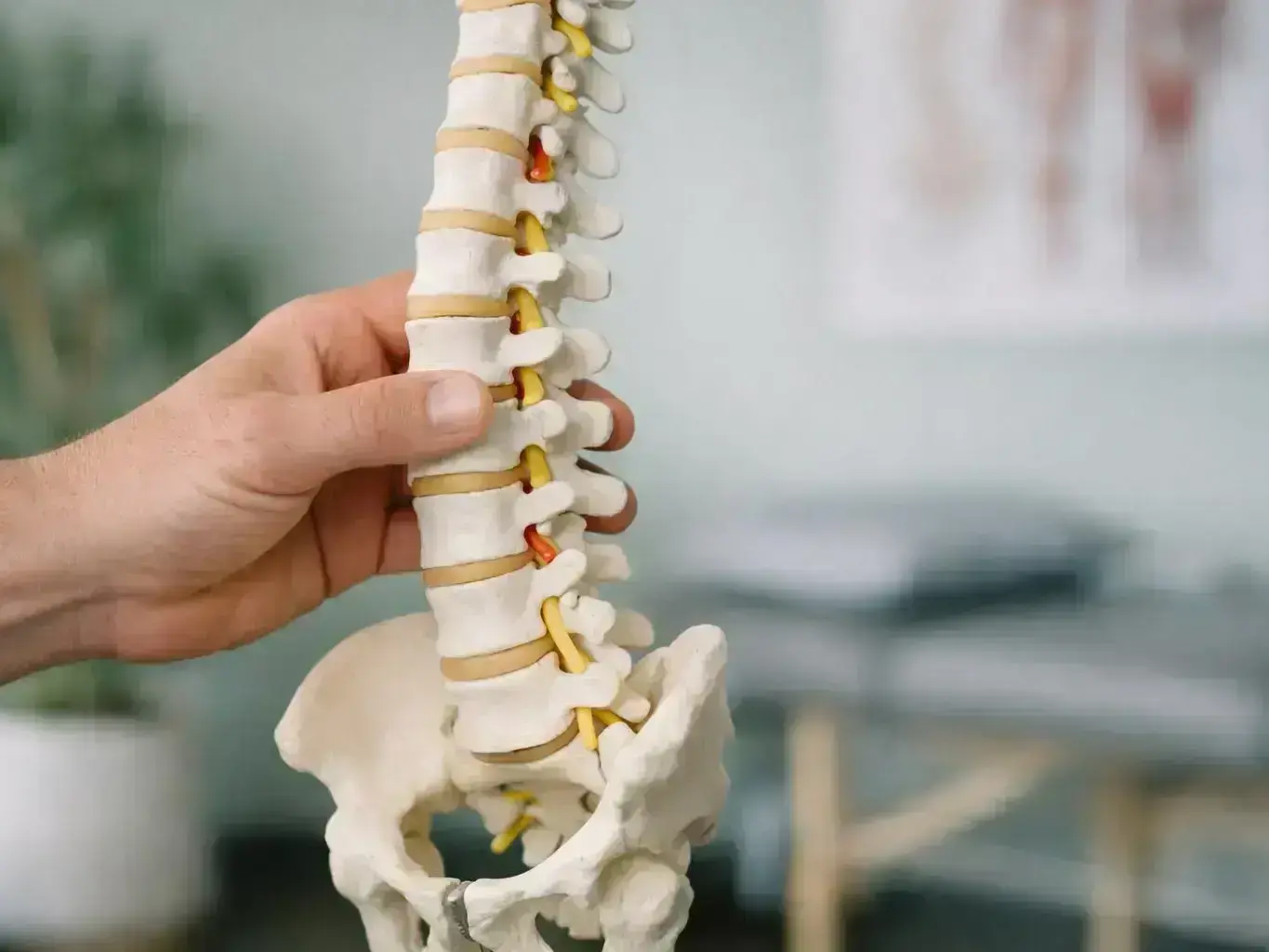
Atlas Orthogonal Technique is a specialized form of chiropractic care designed to address misalignments of the atlas vertebra, which is the first bone in the neck located just below the skull. Unlike traditional spinal adjustments that may involve manual manipulation or audible cracking, this technique uses a gentle, controlled force applied with a specialized instrument. The goal is to restore proper alignment of the atlas, which can influence the rest of the spine, nervous system. And overall posture.
Related glossary terms: Chiropractic Adjustment, Chiropractic X-ray, Neck Pain.
The atlas vertebra plays a critical role in supporting the weight of the head and facilitating movement. When misaligned, it can contribute to a range of issues, including chronic headaches, neck pain, dizziness. And even postural distortions that affect the entire body. Because the atlas surrounds the brainstem, misalignments may also interfere with nerve function, making precise correction important for overall health. Atlas Orthogonal Technique is often chosen by patients who prefer a non-invasive, low-force approach to chiropractic care.
How Atlas Orthogonal Technique Works?
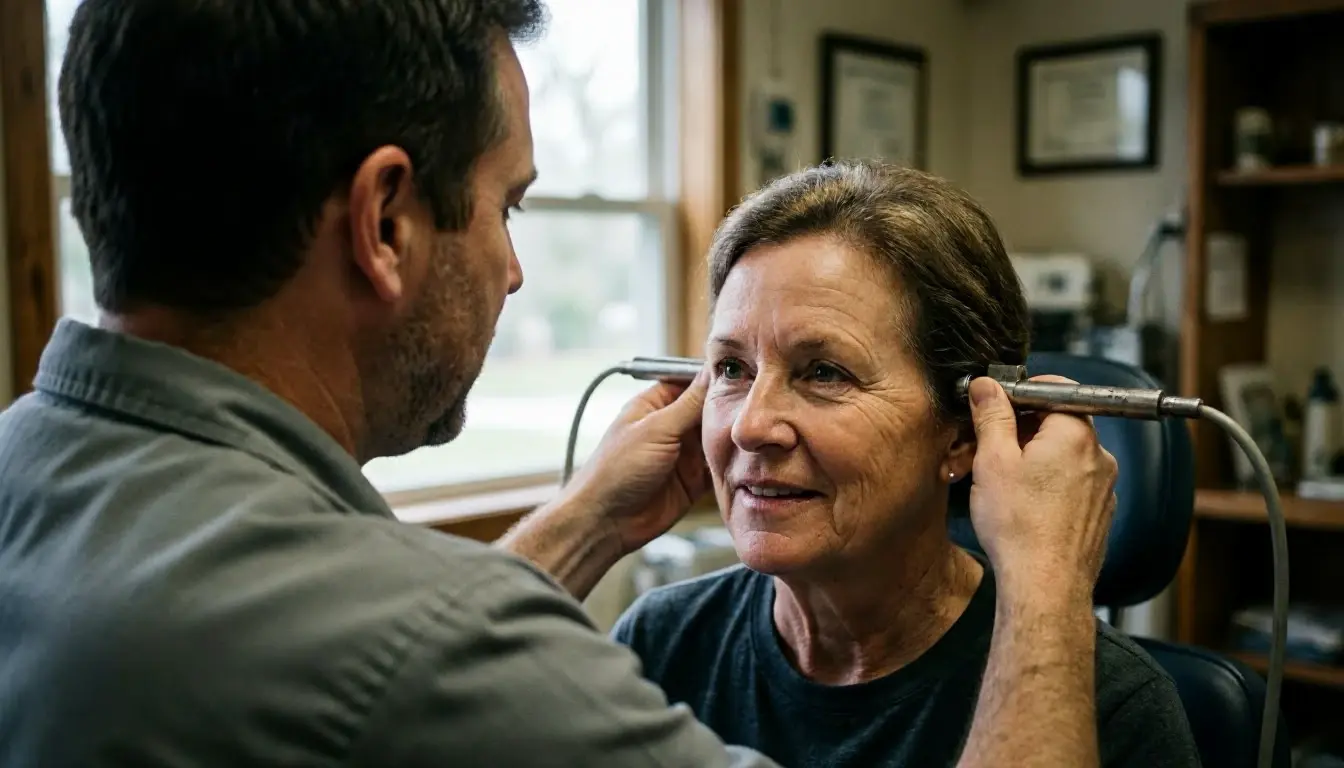
The Atlas Orthogonal Technique begins with a thorough assessment, including detailed X-ray imaging of the neck. These X-rays help the chiropractor measure the exact position of the atlas vertebra and identify any misalignments. Using this information, the chiropractor determines the precise angle and force needed to correct the misalignment without manual manipulation. The adjustment is delivered using a specialized instrument that applies a gentle, controlled impulse to the atlas, often without the patient feeling significant pressure.
The instrument used in Atlas Orthogonal Technique is designed to deliver a consistent, low-force adjustment custom to the individual’s needs. This precision reduces the risk of over-correction or discomfort, making the technique suitable for patients of all ages, including those with sensitive conditions like whiplash, arthritis. Or osteoporosis. After the adjustment, follow-up X-rays may be taken to confirm the correction and track progress over time. The process is typically painless and doesn't involve the twisting or cracking sounds associated with traditional chiropractic adjustments.
Why Atlas Orthogonal Technique Matters?
Atlas Orthogonal Technique matters because misalignments of the atlas vertebra can have far-reaching effects on the body. Since the atlas supports the head and connects to the brainstem, even small misalignments can disrupt nerve function, blood flow. And cerebrospinal fluid circulation. This can lead to chronic symptoms like headaches, neck stiffness. And balance issues that may not respond to general treatments like pain medication or massage. By correcting the atlas, this technique aims to address the root cause of these symptoms rather than just masking them.
Another reason this technique is valuable is its emphasis on precision and safety. Because the adjustment is guided by X-ray imaging and delivered with an instrument, it reduces the risk of injury or discomfort often associated with manual adjustments. This makes it a practical option for patients who are hesitant about traditional chiropractic care or have conditions that make manual manipulation risky. And the technique’s focus on the atlas can complement other forms of care, such as physical therapy or postural training, to support long-term spinal health.
When Atlas Orthogonal Technique Matters Most?
Atlas Orthogonal Technique is particularly important for individuals experiencing symptoms linked to atlas misalignment. These symptoms often include chronic headaches, migraines, neck pain. And dizziness that don't improve with conventional treatments. Patients who have suffered whiplash injuries, concussions. Or other trauma to the head or neck may also benefit, as these events can easily disrupt the alignment of the atlas. And individuals with postural issues, such as forward head posture or uneven shoulders, may find this technique helpful in restoring balance to the spine.
A practical next step is The technique is also relevant for patients who prefer a gentle, non-invasive approach to chiropractic care. This includes older adults, children. Or individuals with conditions like osteoporosis, arthritis. Or nerve sensitivity, where manual adjustments may be uncomfortable or risky. Because the technique relies on precise measurements and controlled force, it can be a safer alternative for these groups. Finally, Atlas Orthogonal Technique may be useful for athletes or active individuals looking to improve spinal alignment for better performance and injury prevention.