Glossary

What is Spinal Adjustment?

Spinal Adjustment is a precise manual procedure chiropractors perform to improve spinal motion, reduce nerve irritation. And ease back or neck pain. It involves applying controlled force to a specific joint in the spine, often producing a popping sound as gas escapes the joint. The goal is restoring proper alignment and function without surgery or medication.

Reviewed by ChiropractorSavannah.linkSources reviewed: American Chiropractic Association, National Center for Complementary and Integrative Health (NCCIH)

Quick Facts About Spinal Adjustment

Category

Chiropractic technique

Used for

Back pain, neck pain, joint stiffness, nerve irritation

Common confusion

Often mistaken for spinal manipulation or massage

Also called

Chiropractic Adjustment, Spinal Manipulation

Often discussed with

Chiropractic Consultation and Diagnosis, Car Accident Injury Rehabilitation

Key Takeaways About Spinal Adjustment

Understanding Spinal Adjustment

Spinal Adjustment in Chiropractor: Spinal Adjustment is a precise manual procedure chiropractors perform to improve spinal...

A spinal adjustment helps fix spine problems. It corrects parts that are out of place. These parts are called subluxations (misalignments).

Related glossary terms: Chiropractic Adjustment, Joint Dysfunction, Nerve Compression.

Subluxations can block movement. They can also bother nearby nerves. When nerves are bothered, they may cause pain. They can also mess up how the body works.

Adjustments help joints move right again. This lets the body heal on its own. It also cuts down on pain.

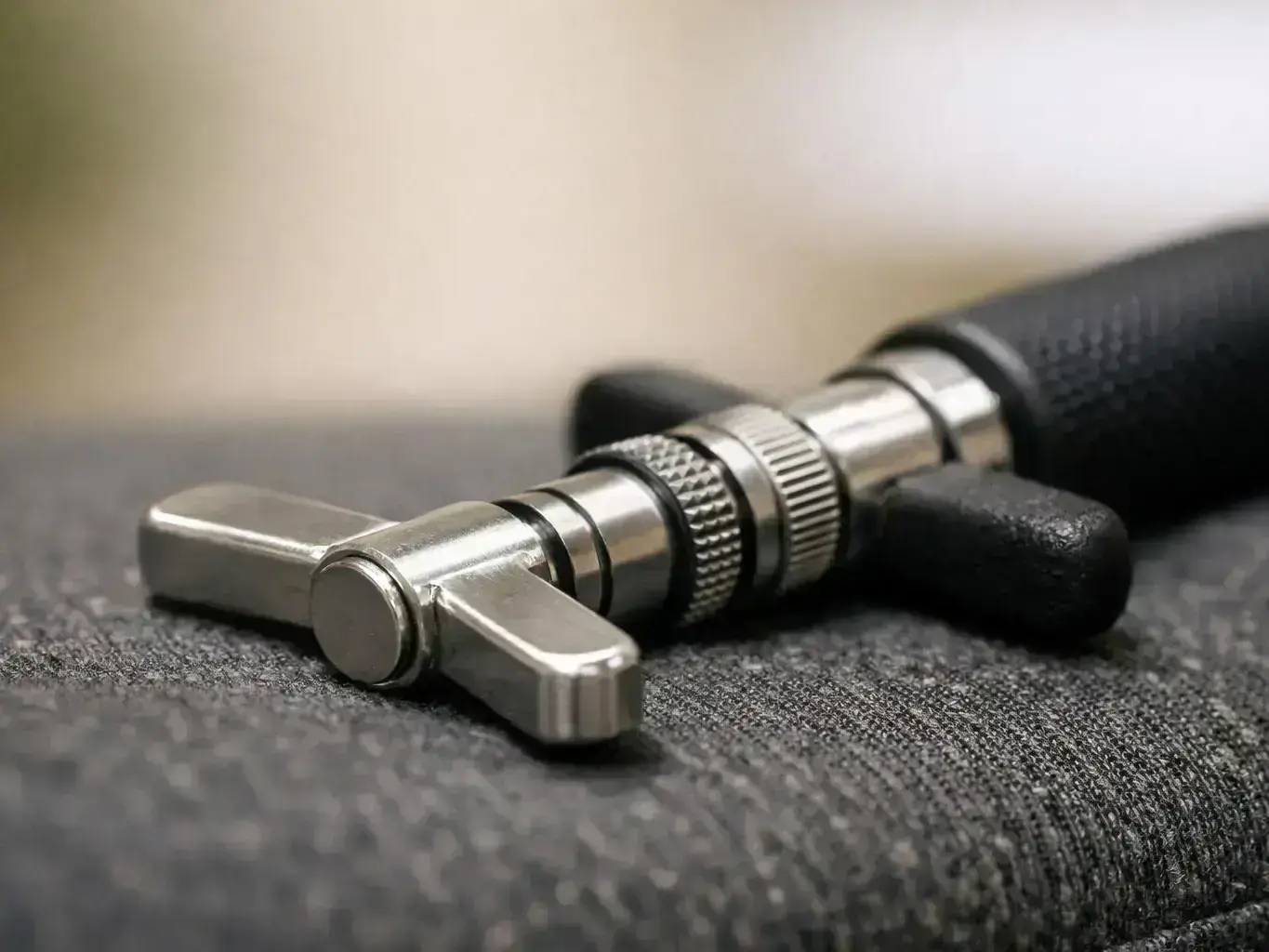
For an adjustment, the chiropractor uses their hands. They may use a small tool instead. They give a quick, careful push to a spine joint.

The push fits the patient’s age and size. It also fits their health issue. Most people feel better right away. Some feel a little sore. But it goes away fast.

Adjustments don’t hurt. You don’t need time to recover. You can go back to your day right after.

How Spinal Adjustment Works?

Your spine has 24 bones called vertebrae. They stack on top of each other. Each bone connects to the next with joints.

These joints are called facet joints. If they get stiff or out of place, they limit movement. They can also press on nerves.

An adjustment moves the joint back gently. This takes pressure off nerves. It also helps the spine move right again.

You might hear a pop during an adjustment. This sound comes from gas bubbles in the joint. It’s called cavitation (joint cracking).

The sound is safe. It’s like cracking your knuckles. The chiropractor checks your spine first. They pick the best way to adjust it.

They may use X-rays or other pictures. This helps them see your spine. It’s important for people with injuries or complex issues.

Why Spinal Adjustment Matters?

How Spinal Adjustment applies to Chiropractor services in Savannah, United States—practical illustration

Spinal adjustments help with pain. They don’t need medicine or surgery. Many people have back or neck pain from bad spine alignment.

Adjustments fix the real problem. Pain relief lasts longer than pills. Regular adjustments can stop future pain.

They keep your spine working right. Adjustments don’t just help with pain. They can make you feel better overall.

When your spine moves right, nerves work better. This can help you move easier. It can also cut muscle tightness.

Good posture comes from a healthy spine. Patients often feel more energy. They also feel less stiff.

Daily tasks get easier. Life feels better when your spine is aligned.

When Spinal Adjustment Matters Most?

Adjustments help with back pain. They help with neck pain too. They can also ease headaches and stiff joints.

They work after small injuries. These can be from car accidents or sports. They also help with strain from doing the same thing over and over.

People with sciatica (nerve pain) may get help. Those with herniated discs (bulging spine cushions) may too. So can people with arthritis (joint swelling).

But adjustments aren’t for everyone. People with very weak bones shouldn’t get them. Neither should those with spine breaks or infections.

Most people need more than one adjustment. How many depends on your health. Some feel better after one visit.

Others need ongoing care. This is true for long-term issues. Exercises and stretches can help too.

Changing some daily habits helps as well. These steps keep you feeling good longer.

How to Evaluate Spinal Adjustment?

Related Concepts Compared

Spinal Adjustment vs. Spinal Manipulation

Spinal manipulation is a broader term that includes any hands-on technique to move spinal joints. While spinal adjustment is a specific chiropractic procedure with precise, controlled force.

Spinal Adjustment vs. Massage Therapy

Massage therapy focuses on relaxing muscles and improving circulation. While spinal adjustment targets joint movement and nerve function in the spine.

Expert Note

While spinal adjustments are generally safe, the technique must match the patient’s condition. For example, gentler methods may be needed for older adults or those with osteoporosis to avoid injury. Always share your full health history with your chiropractor before treatment.

Common Mistakes or Myths About Spinal Adjustment

  • Assuming all popping sounds during an adjustment mean the same thing—some are harmless. While others may indicate joint instability.
  • Believing spinal adjustments are only for back pain—chiropractors also use them for neck pain, headaches. And joint issues.
  • Thinking adjustments are painful—most patients feel relief. Though mild soreness can occur afterward.
  • Expecting instant, permanent results—some conditions require multiple visits for lasting improvement.

Spinal Adjustment in Practice: A Real-World Example

After a minor car accident, a patient experiences stiffness and radiating pain down their arm. Their chiropractor performs a spinal adjustment to the neck, restoring proper joint movement. The patient feels immediate relief from the arm pain and notices improved neck mobility over the next few days.

Related Services

Related Terms

Chiropractic Adjustment

Chiropractic Adjustment is a precise, hands-on procedure chiropractors use to correct misalignments in the spine or joints. These misalignments, called subluxations, can cause pain, reduced mobility. Or nerve irritation. The adjustment applies controlled force to restore proper movement and alignment, helping the body heal naturally without surgery or medication.

Joint Dysfunction

Joint Dysfunction is a condition where a joint in the body moves abnormally or loses its normal range of motion. It often causes pain, stiffness. Or reduced flexibility and may result from injury, overuse, poor posture. Or underlying health issues. Chiropractors commonly assess and treat joint dysfunction to restore proper movement and relieve discomfort.

Nerve Compression

Nerve Compression is pressure on a nerve from surrounding tissues such as bones, cartilage, muscles. Or tendons. This pressure disrupts the nerve’s function, causing pain, tingling, numbness. Or weakness in the affected area. Common sites include the spine, wrists. And elbows, often resulting from injury, repetitive motion.

Back Pain

Back Pain is discomfort, aching. Or stiffness felt anywhere along the spine, from the neck to the lower back. Back Pain can range from mild, temporary soreness to severe, chronic pain that limits daily activities. It often results from muscle strain, injury, poor posture.

Neck Pain

Neck Pain is discomfort, stiffness. Or soreness in the cervical spine—the seven vertebrae that support the head and enable movement. It can range from mild irritation to severe, disabling pain, often caused by poor posture, injury, muscle strain. Or degenerative conditions like arthritis. Symptoms may include limited mobility, headaches.

ChiropractorSavannah.link

Have Questions About Spinal Adjustment?

Contact ChiropractorSavannah.link for practical guidance on Spinal Adjustment and related chiropractor work in Savannah.

+1 912-378-1371