Understanding Joint Dysfunction
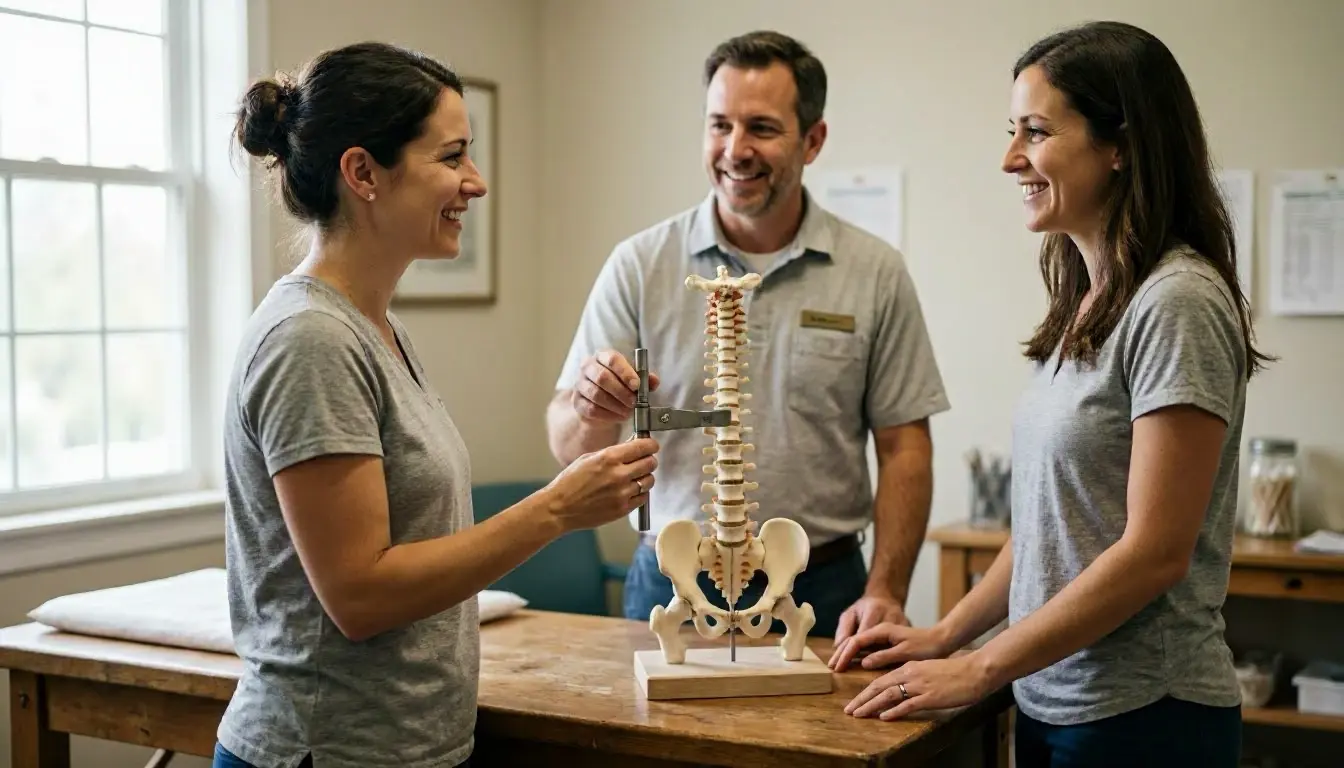
Joint Dysfunction occurs when a joint in the body doesn't move as it should. Normally, joints allow smooth, pain-free motion, whether bending a knee, rotating a shoulder. Or twisting the spine. When dysfunction happens, movement becomes restricted, painful. Or unstable. This can affect any joint, including the spine, shoulders, hips, knees. Or smaller joints in the hands and feet. The problem often starts with minor stiffness or discomfort but can worsen over time if untreated.
Related glossary terms: Chiropractic Adjustment, Spinal Manipulation, Soft Tissue Therapy.
Many factors contribute to joint dysfunction. Physical injuries, like sprains or fractures, can damage the joint or surrounding tissues. Repetitive motions, such as typing or lifting, may strain joints over time. In practice, poor posture, muscle imbalances. Or weak supporting muscles can also force joints to move incorrectly. In some cases, underlying conditions like arthritis or inflammation play a role. Even stress or lack of movement can contribute, as tense muscles may pull joints out of alignment.
How Joint Dysfunction Is Identified and Treated?
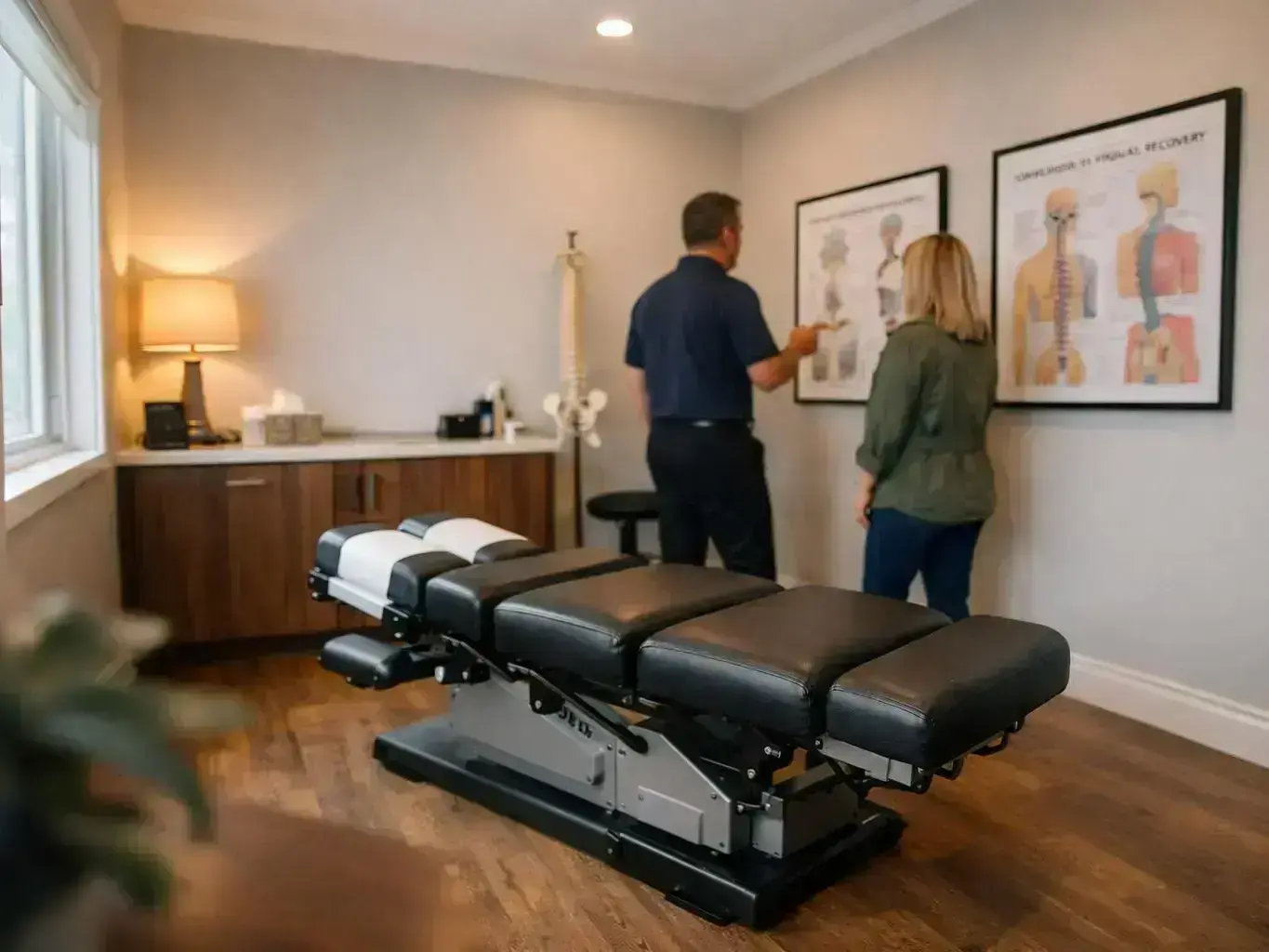
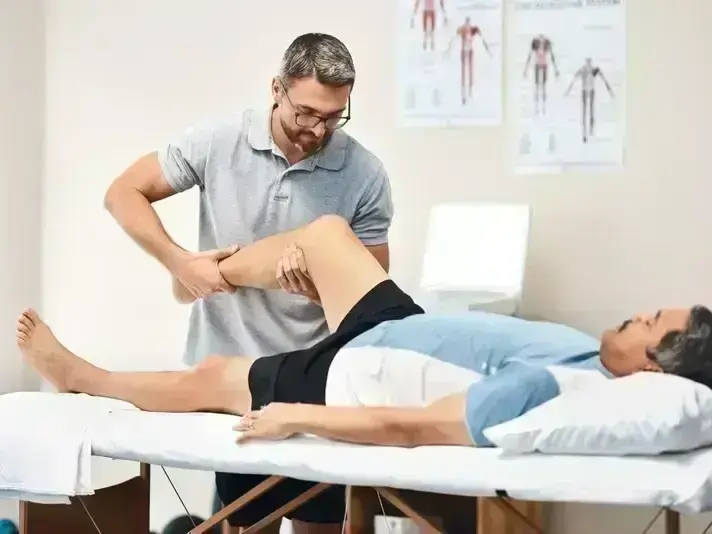
Chiropractors and other healthcare providers diagnose joint dysfunction through a combination of physical exams, patient history. And sometimes imaging tests. During an exam, a chiropractor checks for restricted motion, tenderness. Or swelling around the joint. They may ask about recent injuries, daily activities. Or pain patterns to understand the cause. In some cases, X-rays or MRI scans help rule out fractures, arthritis. Or other structural issues.
Treatment focuses on restoring normal joint movement and reducing pain. Chiropractic adjustments, also called spinal manipulations, are a common approach. These gentle, targeted movements help realign the joint and improve mobility. Soft tissue therapies, like massage or stretching, may also be used to relax tight muscles around the joint. Patients are often given exercises to strengthen supporting muscles and prevent future dysfunction. Lifestyle changes, such as improving posture or taking breaks from repetitive tasks, can also help.
Why Joint Dysfunction Matters?
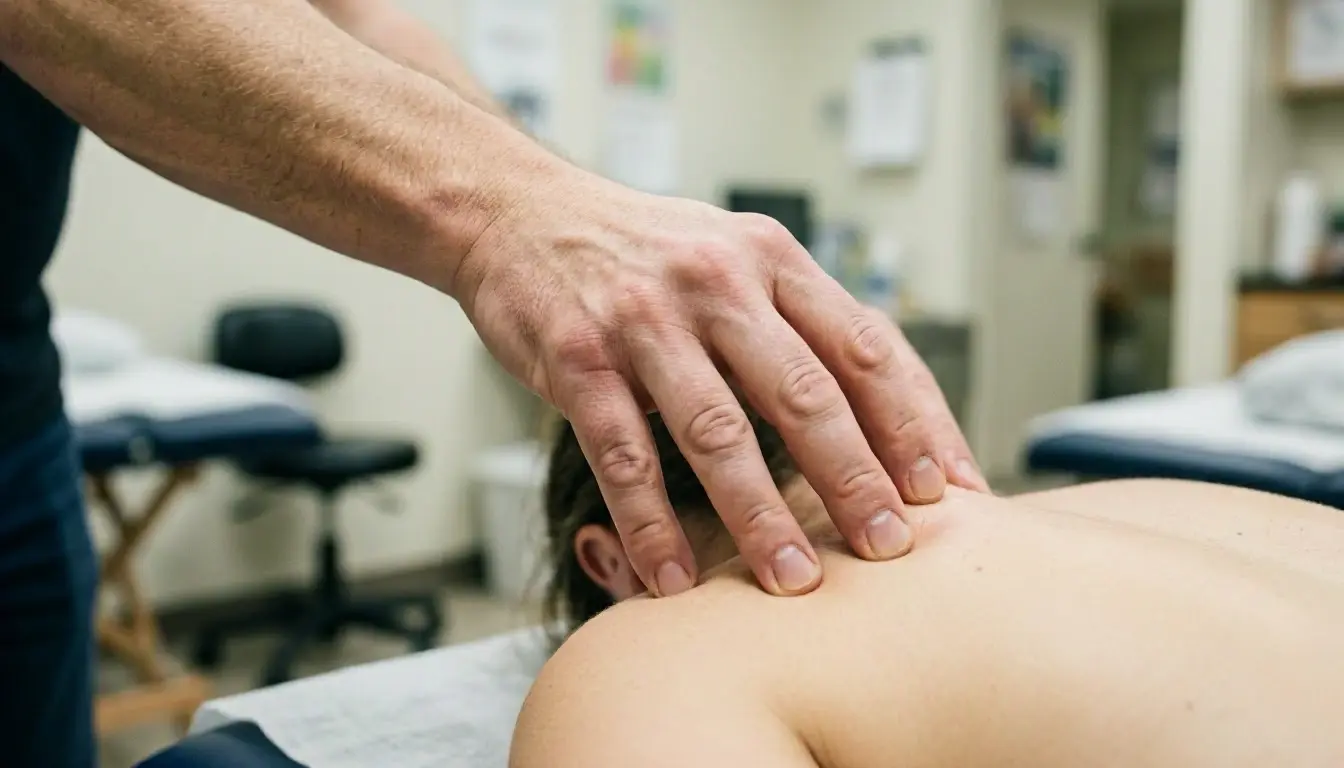
Ignoring joint dysfunction can lead to bigger problems over time. When a joint moves incorrectly, it puts extra stress on surrounding muscles, ligaments. And even other joints. This can cause chronic pain, stiffness. Or wear-and-tear damage, increasing the risk of conditions like osteoarthritis. For example, a stiff spinal joint may lead to back pain that spreads to the hips or legs. Similarly, a dysfunctional shoulder joint can limit arm movement, making daily tasks like lifting or reaching difficult.
Addressing joint dysfunction early can improve quality of life and prevent long-term damage. Restoring proper joint motion helps reduce pain, increase flexibility. And support overall movement. That means especially important for people who are active, work in physically demanding jobs. Or have hobbies that require repetitive motions. Even small improvements in joint function can make a big difference in comfort and mobility.
When Joint Dysfunction Matters Most?
Joint dysfunction becomes especially important in certain situations. For people recovering from injuries, like car accidents or sports mishaps, untreated joint issues can slow healing and increase the risk of re-injury. Workers with physically demanding jobs, such as construction or warehouse roles, may experience joint dysfunction from repetitive lifting or bending. Over time, this can lead to chronic pain or disability, making it harder to perform daily tasks.
In practice, Joint dysfunction also matters for older adults or those with conditions like arthritis. As joints age, they naturally lose some flexibility and strength. Dysfunction can speed up this process, leading to stiffness, pain. Or difficulty moving. For example, a person with knee joint dysfunction may struggle to walk, climb stairs. Or stand for long periods. Early treatment can help maintain mobility and independence, reducing the need for more invasive interventions like surgery or long-term medication.
- After an injury, like a sprain, fall. Or car accident.
- When pain or stiffness limits daily activities, such as walking or lifting.
- For people with jobs or hobbies that involve repetitive motions.
- As part of preventive care to avoid long-term joint damage.