Glossary

What is Decompression Therapy?

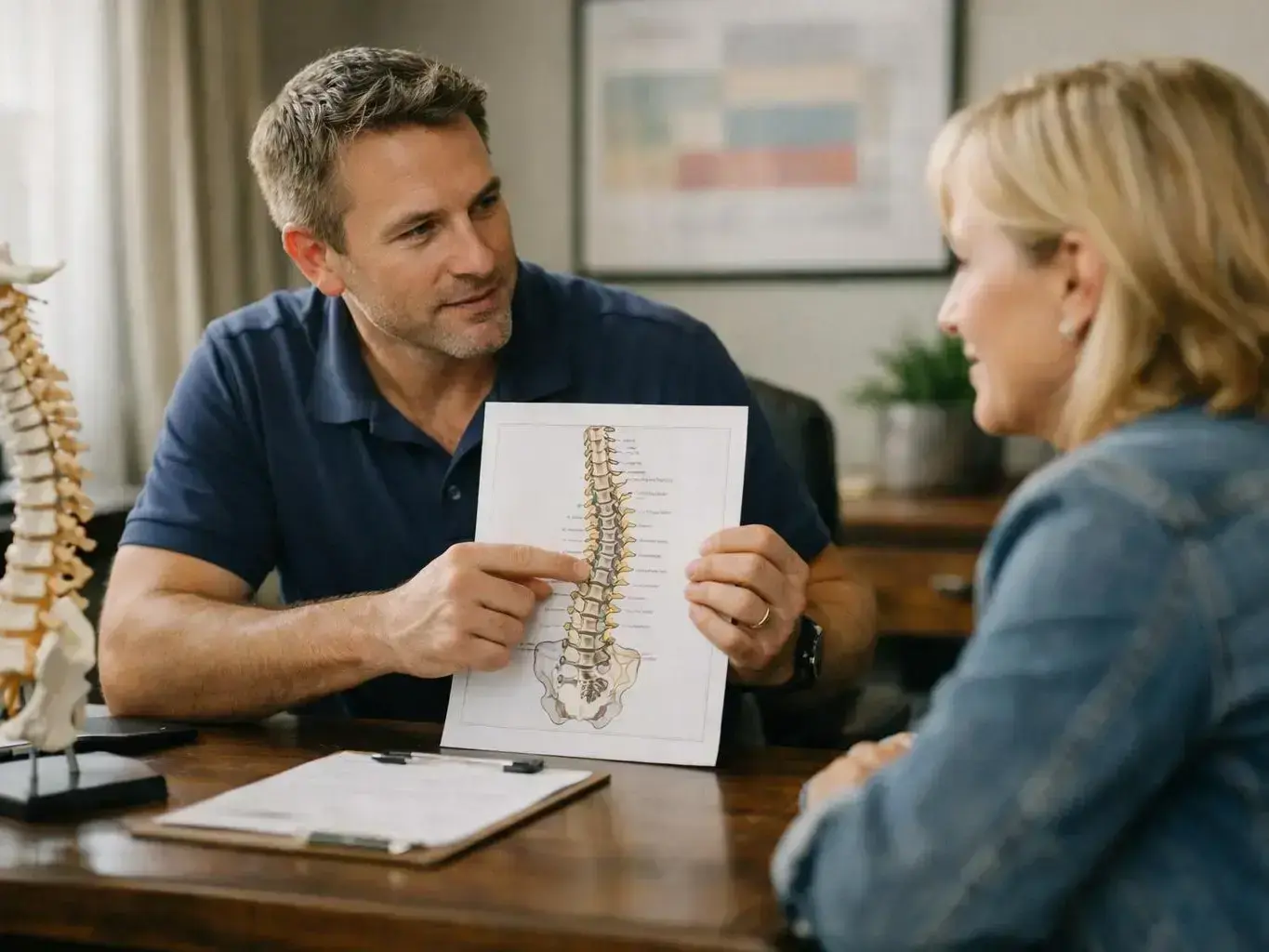
Decompression Therapy is a non-surgical treatment designed to relieve pressure on the spine and affected nerves. Decompression Therapy uses a motorized table or device to gently stretch the spine, creating negative pressure within spinal discs. This process helps retract herniated or bulging discs, promotes nutrient flow. And reduces pain in the back, neck. Or legs.

Reviewed by ChiropractorSavannah.linkSources reviewed: American Chiropractic Association, National Institute of Neurological Disorders and Stroke

Quick Facts About Decompression Therapy

Category

Non-surgical spinal treatment

Used for

Herniated discs, sciatica, chronic back or neck pain

Common confusion

Often mistaken for traction. But uses precise, computer-assisted stretching

Also called

Spinal Decompression, Non-Surgical Decompression

Often discussed with

Chiropractic Consultation and Diagnosis, Car Accident Injury Rehabilitation

Key Takeaways About Decompression Therapy

Understanding Decompression Therapy
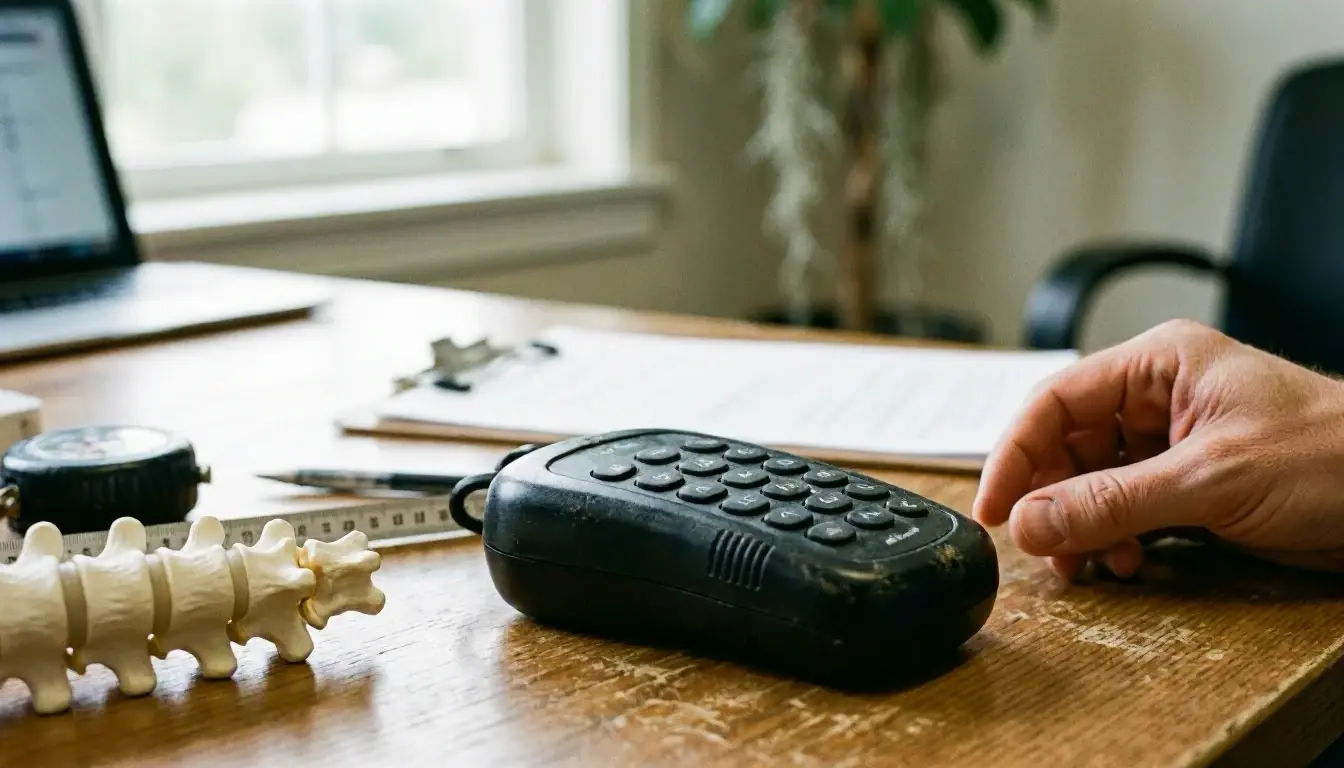
Decompression Therapy in Chiropractor: Decompression Therapy is a non-surgical treatment designed to relieve pressure on t...

Decompression Therapy helps with spine problems. Chiropractors and therapists use it. It helps discs between bones in your back.

Related glossary terms: Disc Herniation, Nerve Compression, Spinal Adjustment.

These discs act like cushions. They can bulge or wear out over time. This can press on nerves and cause pain.

Pain can be in your back, neck, arms. Or legs. It may also cause numbness or weakness. Decompression Therapy eases this pressure.

It gently stretches your spine. This is done in a careful way.

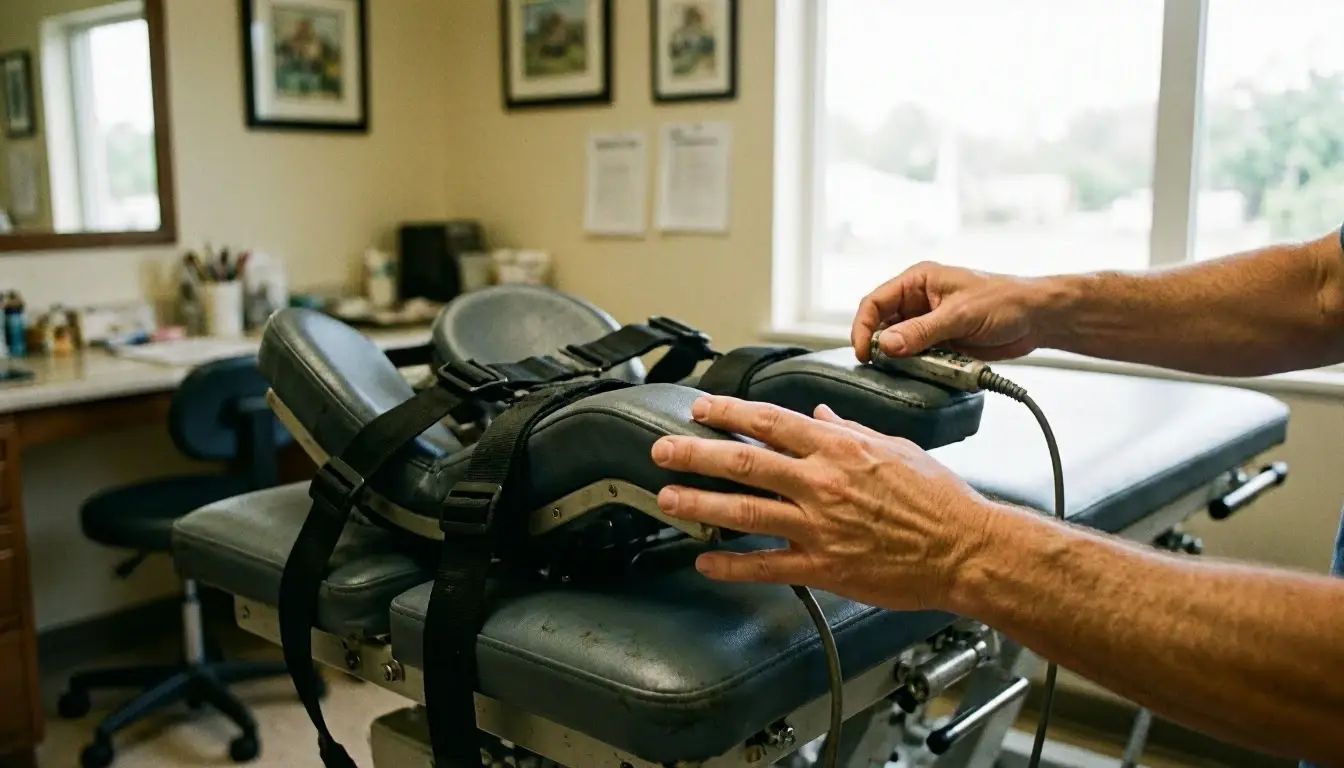
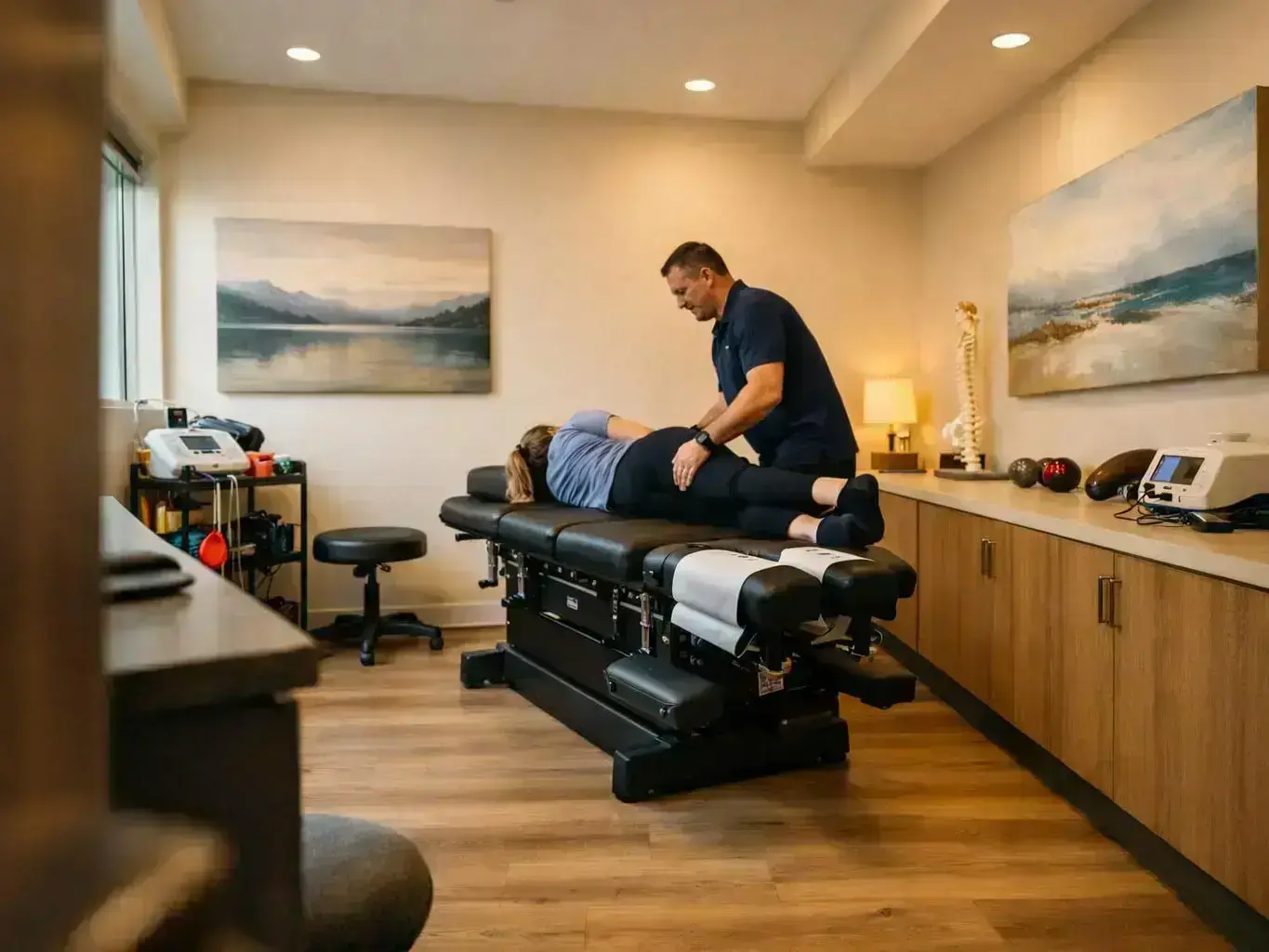
You lie on a special table during treatment. It moves slowly. You may lie on your back or stomach.

A harness goes around your hips or chest. The table moves to stretch your spine. This creates space between your bones.

It takes pressure off your discs and nerves. Bulging discs can move back into place. This helps oxygen, water. And nutrients get to your discs.

Most people don’t feel pain. Each session lasts 20 to 45 minutes.

How Decompression Therapy Works?

Decompression Therapy works by stretching your spine. This lowers pressure inside your discs. This pressure is called intradiscal pressure.

Lower pressure creates a vacuum effect. This pulls bulging discs back where they belong. It takes pressure off nearby nerves.

It also helps water, oxygen. And nutrients move into your discs. This helps them heal. It also reduces swelling.

A computer controls the stretch. This makes sure it’s safe and steady. Your chiropractor can change the stretch for you.

They can adjust how hard or long it pulls. They do this based on your pain and comfort. People with back pain may lie on their back with knees bent.

People with neck pain may lie on their stomach. A harness goes around their head. Other treatments may be used too.

These can include heat, ice. Or small electric shocks. These help boost results.

Most people need many sessions. Some feel better after just a few. Others need 10 to 20 visits.

It depends on your pain and health. It also depends on how you respond. You may need exercises or posture tips after.

These help keep the benefits of the therapy.

Why Decompression Therapy Matters?
How Decompression Therapy applies to Chiropractor services in Savannah, United States—practical illustration

Decompression Therapy helps without surgery. It’s for people with back or neck pain. The pain comes from disc problems.

Surgery can be risky and costly. It also takes a long time to heal. Decompression Therapy is safe and painless.

You don’t need to rest after. It’s a good choice for many. It can also cut down on pain medicine.

Some medicines have bad side effects. They can also lead to dependence.

This therapy does more than stop pain. It can help you move better. People can sit, stand. Or walk with less pain.

It can also improve your daily life. Athletes may heal faster from injuries. It can also stop more spine damage.

It fixes the real cause of pain. It doesn’t just hide symptoms. This helps your spine stay healthy longer.

When Decompression Therapy Matters Most?

Decompression Therapy helps with certain spine problems. It works best for nerve pressure or disc damage.

It treats herniated discs (bulging discs). It also helps with worn-out discs. This is called degenerative disc disease.

It can help sciatica (leg pain) and spinal stenosis (narrow spine). It may help when other treatments don’t work.

Other treatments include medicine, therapy. Or chiropractic care.

Not everyone can use this therapy. People with broken bones shouldn’t try it. Those with tumors or severe bone loss should avoid it.

People with infections shouldn’t use it either. Pregnant women may need to skip it. So may people who are very overweight.

A chiropractor or doctor must check you first. They’ll see if it’s safe for you. If it is, it can change how you manage pain.

It can help your spine work better without surgery.

In Savannah, GA, humid weather can strain your back. Active lifestyles can too. Decompression Therapy helps residents find relief.

It doesn’t matter if pain comes from aging, injury. Or stress. This therapy targets the problem. It helps people move and feel better.

How to Evaluate Decompression Therapy?

Related Concepts Compared

Decompression Therapy vs. Spinal Traction

Spinal traction is a general term for stretching the spine. While Decompression Therapy uses precise, computer-assisted techniques to target specific discs and nerves.

Decompression Therapy vs. Chiropractic Adjustment

Chiropractic adjustments focus on realigning vertebrae through manual manipulation. While Decompression Therapy stretches the spine to relieve disc pressure.

Decompression Therapy vs. Cox Flexion-Distraction

Cox Flexion-Distraction is a manual technique where the chiropractor uses their hands to stretch the spine. While Decompression Therapy uses a motorized table.

Expert Note

Decompression Therapy is most effective when tailored to the patient’s specific condition. A one-size-fits-all approach rarely works. So look for providers who customize the angle, force. And duration of each session based on your response and imaging results.

Common Mistakes or Myths About Decompression Therapy

  • Assuming Decompression Therapy is the same as traction—it uses more precise, computer-assisted techniques.
  • Expecting immediate results after one session—most patients need multiple treatments.
  • Skipping follow-up care, such as exercises or posture correction, which helps maintain results.
  • Choosing Decompression Therapy for conditions it cannot treat, like fractures or tumors.

Decompression Therapy in Practice: A Real-World Example

A 45-year-old office worker in Savannah, GA, develops chronic lower back pain after years of sitting at a desk. An MRI reveals a herniated disc pressing on a nerve. Instead of opting for surgery, the patient undergoes 15 sessions of Decompression Therapy. After treatment, the disc retracts, nerve pressure decreases. And the patient reports less pain and improved mobility.

Sources & Further Reading on Decompression Therapy

Related Services

Related Terms

Disc Herniation

Disc Herniation is a spinal condition where the soft, gel-like center of a spinal disc pushes through a tear in the disc’s tougher outer layer. This can irritate nearby nerves, causing pain, numbness. Or weakness in the back, legs. Or arms. Disc herniation often occurs in the lower back or neck and is typically caused by aging, injury. Or strain.

Nerve Compression

Nerve Compression is pressure on a nerve from surrounding tissues such as bones, cartilage, muscles. Or tendons. This pressure disrupts the nerve’s function, causing pain, tingling, numbness. Or weakness in the affected area. Common sites include the spine, wrists. And elbows, often resulting from injury, repetitive motion.

Spinal Adjustment

Spinal Adjustment is a precise manual procedure chiropractors perform to improve spinal motion, reduce nerve irritation. And ease back or neck pain. It involves applying controlled force to a specific joint in the spine, often producing a popping sound as gas escapes the joint. The goal is restoring proper alignment and function without surgery or medication.

Cox Flexion-Distraction

Cox Flexion-Distraction is a gentle, non-surgical chiropractic technique designed to relieve spinal pain and improve mobility. It uses a specialized table to stretch and decompress the spine, reducing pressure on discs and nerves. Developed by Dr. James Cox, this method is commonly used for herniated discs, sciatica. And chronic back pain.

Physical Rehabilitation

Physical Rehabilitation is a structured healthcare process designed to help individuals regain strength, mobility. And function after injury, surgery. Or illness. Physical Rehabilitation involves exercises, manual therapies. And education to restore movement, reduce pain. And improve daily activities. It's often supervised by licensed professionals like physical therapists, chiropractors.

ChiropractorSavannah.link

Have Questions About Decompression Therapy?

Contact ChiropractorSavannah.link for practical guidance on Decompression Therapy and related chiropractor work in Savannah.

+1 912-378-1371