Understanding Gonstead Technique
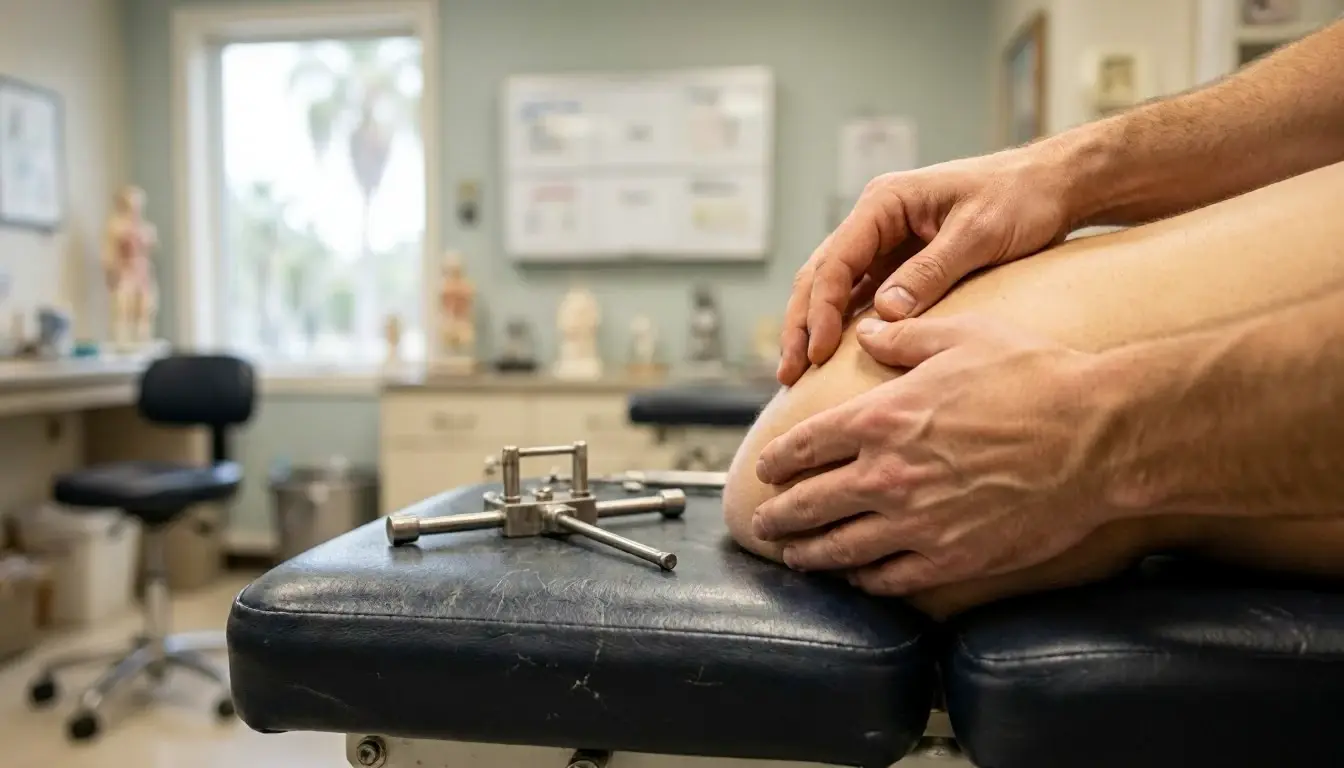
Gonstead Technique is a chiropractic approach developed by Dr. Clarence Gonstead in the mid-20th century. Unlike broader chiropractic methods that may apply general spinal manipulations, Gonstead Technique emphasizes specificity. Chiropractors trained in this method use a combination of visual analysis, palpation (feeling the spine with their hands). And specialized instruments to identify exact areas of misalignment or dysfunction. This detailed assessment helps ensure that adjustments are targeted and effective, addressing the root cause of pain or discomfort rather than just symptoms.
Related glossary terms: Chiropractic Adjustment, Spinal Manipulation, Joint Dysfunction.
The technique is grounded in the idea that spinal misalignments, known as subluxations, can interfere with the nervous system's ability to function properly. By correcting these misalignments, Gonstead Technique aims to restore optimal nerve flow, improve joint mobility. And support the body's natural healing processes. The method is particularly known for its focus on the pelvis and lower spine, areas that often contribute to postural imbalances and chronic pain.
How Gonstead Technique Works?
Gonstead Technique follows a structured workflow to ensure precision in each adjustment. The process typically begins with a thorough patient history and visual analysis, where the chiropractor observes posture, gait. And spinal curvature. Next, the chiropractor uses static and motion palpation to feel for areas of tenderness, swelling. Or restricted movement in the spine and joints. This hands-on assessment is often supplemented by instrumentation, such as a Nervoscope, which detects heat differences along the spine—an indicator of inflammation or nerve irritation.
X-rays may also be used to provide a detailed view of spinal alignment, particularly in complex cases. Once the problem areas are identified, the chiropractor applies a precise, manual adjustment to the misaligned joint. These adjustments are typically delivered with a quick, controlled thrust, often using the hands or a specialized adjusting table. In practical terms, the goal is to restore proper joint mechanics without causing unnecessary strain to surrounding tissues. Unlike some chiropractic methods that rely on high-velocity thrusts, Gonstead adjustments are often gentler and more targeted, making them suitable for patients of all ages.
Why Gonstead Technique Matters?

Gonstead Technique matters because it offers a systematic, evidence-informed approach to addressing spinal and joint dysfunction. By focusing on specific misalignments rather than general manipulations, the technique aims to provide lasting relief and improved function. For patients, this means fewer visits may be needed to achieve results. And the risk of over-adjusting healthy joints is minimized. The emphasis on detailed analysis also helps chiropractors tailor care to each individual, making the technique adaptable to a wide range of conditions, from acute injuries to chronic pain.
From a clinical perspective, Gonstead Technique is valued for its ability to address the mechanical causes of pain rather than just masking symptoms. For example, a misaligned vertebra in the lower back can contribute to sciatica, hip pain. Or even headaches. By correcting the misalignment, the technique helps relieve pressure on nerves and reduces inflammation, allowing the body to heal naturally. This focus on biomechanical integrity makes Gonstead Technique a popular choice among chiropractors who prioritize structural correction and long-term wellness.
When Gonstead Technique Matters Most?
Gonstead Technique is particularly useful in situations where precision and specificity are critical. For example, patients with chronic back pain, sciatica. Or disc-related issues often benefit from the detailed analysis and targeted adjustments the technique provides. It's also commonly used for athletes or individuals recovering from injuries, as the method helps restore proper joint function and reduce the risk of re-injury. And Gonstead Technique is frequently employed in cases where general spinal manipulations have failed to provide relief, as its focus on identifying the exact source of dysfunction can uncover underlying issues that may have been overlooked.
The technique is also well-suited for patients who prefer a hands-on, non-invasive approach to care. Because adjustments are typically delivered manually and without the use of forceful twisting or cracking, many patients find the method comfortable and reassuring. Gonstead Technique is often used in conjunction with other therapies, such as soft tissue work or rehabilitation exercises, to boost overall outcomes. For chiropractors in Savannah, GA, the technique offers a reliable way to address the unique needs of patients dealing with work-related injuries, auto accidents. Or age-related wear and tear on the spine and joints.