Understanding Diversified Technique
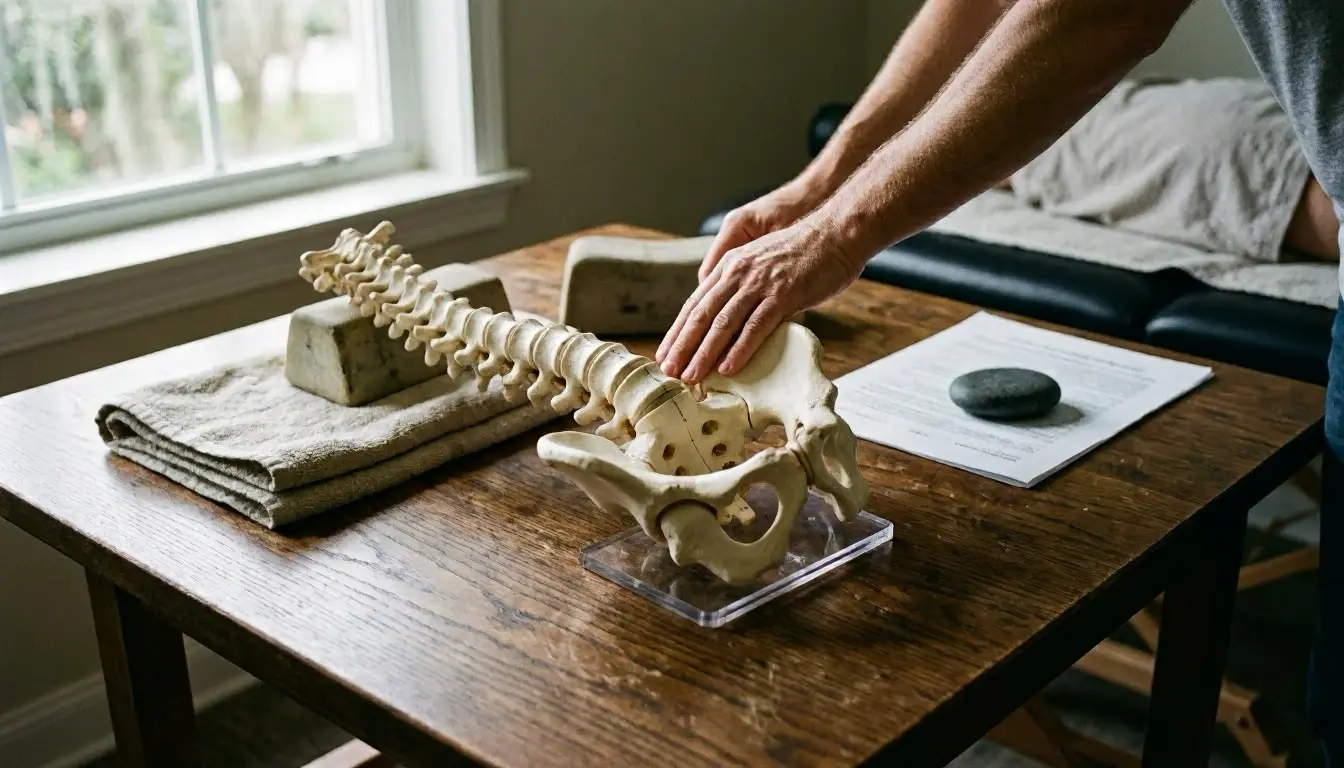
Diversified Technique is a cornerstone of chiropractic care developed to address joint dysfunction throughout the body. Unlike methods that focus only on the spine, Diversified Technique can be applied to any joint, including shoulders, elbows, wrists, hips, knees. And ankles. The goal is to restore proper alignment and movement, which can help reduce pain, improve mobility. And support the body’s natural healing processes.
Related glossary terms: Chiropractic Adjustment, Spinal Manipulation, Gonstead Technique.
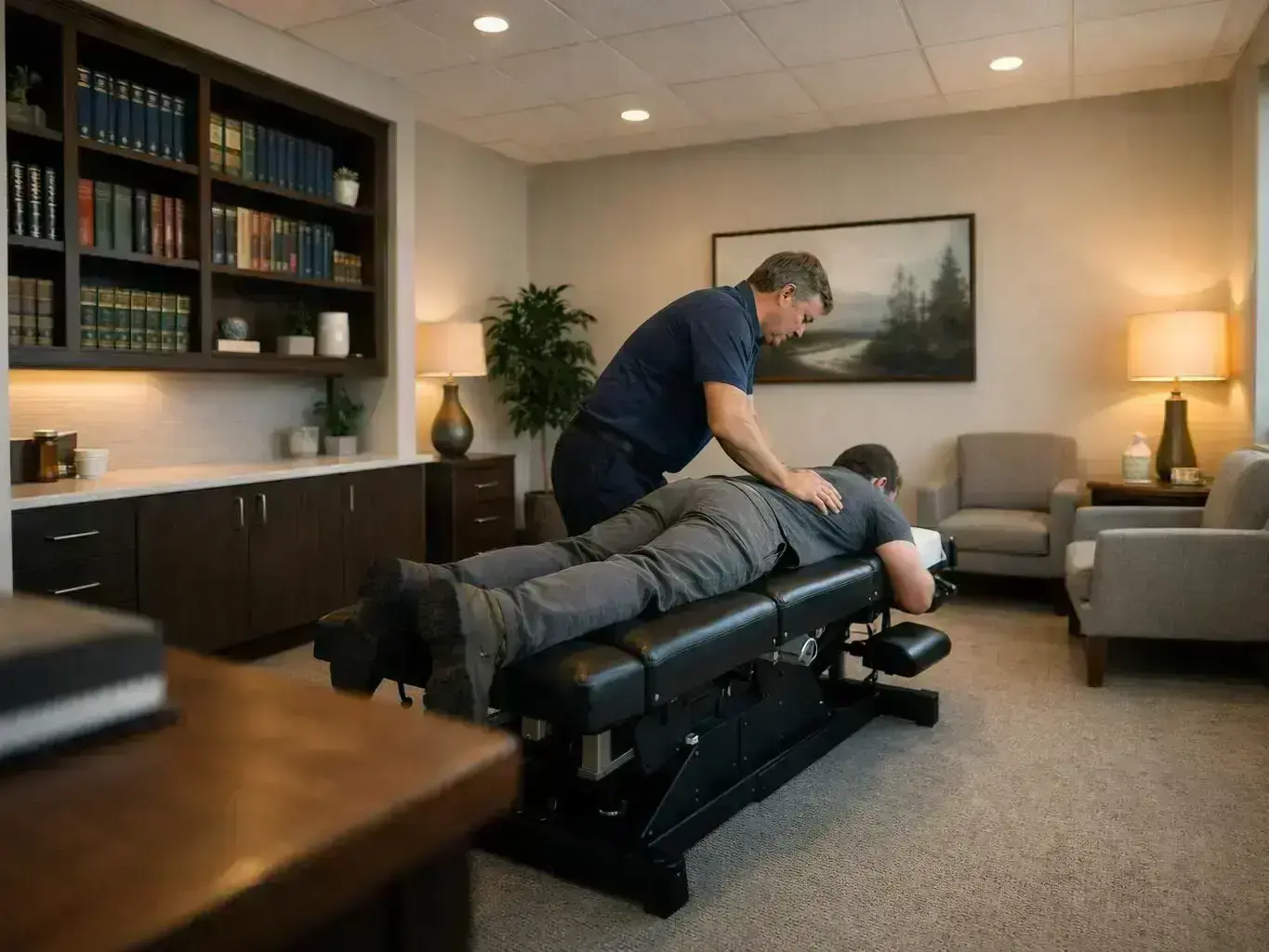
This technique relies on the chiropractor’s hands to deliver a quick, precise thrust to a specific joint. The thrust is designed to be gentle yet effective, often resulting in a popping sound. This sound, called cavitation, occurs when gas bubbles in the joint fluid release under pressure. While the sound can be surprising, it's not painful and indicates the joint has moved back into a more functional position. Diversified Technique is custom to each patient, making it suitable for people of all ages and activity levels.
How Diversified Technique Works?
Diversified Technique works by applying a controlled force to a joint that's not moving correctly. Chiropractors use their hands to identify areas of restricted movement, known as joint dysfunction. Once identified, the chiropractor positions the patient to isolate the joint and applies a quick thrust. The thrust is carefully calibrated to avoid excessive force, ensuring the adjustment is both safe and effective.
The popping sound often heard during an adjustment is a byproduct of the joint’s movement. This sound doesn't indicate bones cracking or breaking but rather the release of gas within the joint fluid. The adjustment helps restore normal joint mechanics, which can reduce pain, improve range of motion. And decrease muscle tension. Because Diversified Technique is versatile, it can be used to address a wide range of conditions, from back and neck pain to headaches and extremity issues like shoulder or knee discomfort.
Why Diversified Technique Matters?

Diversified Technique matters because it provides a non-invasive, drug-free approach to managing pain and improving joint function. Many patients seek chiropractic care to avoid surgery or reliance on pain medications. By restoring proper joint movement, Diversified Technique can help alleviate pressure on nerves, reduce inflammation. And improve overall mobility. This can lead to better posture, enhanced athletic performance. And a higher quality of life.
Another key benefit of Diversified Technique is its adaptability. Chiropractors can modify the technique to suit each patient’s unique needs, whether they're recovering from an injury, managing a chronic condition. Or seeking preventive care. The technique is also supported by decades of clinical use and research, making it one of the most trusted methods in chiropractic care. For patients, this means a reliable and effective treatment option that can be integrated into a broader wellness plan.
When Diversified Technique Matters Most?
Diversified Technique is particularly valuable in situations where joint dysfunction is contributing to pain or limited mobility. For example, it can be helpful for individuals experiencing back or neck pain due to poor posture, repetitive stress. Or minor injuries. Athletes often use Diversified Technique to address joint restrictions that may affect performance or increase the risk of injury. It can also be beneficial for people recovering from car accidents, slip-and-fall incidents. Or work-related injuries, where joint misalignments may develop as a result of trauma.
For local customers, Patients with chronic conditions like osteoarthritis or sciatica may also find relief through Diversified Technique. By improving joint function, the technique can help reduce symptoms and improve daily activities. And Diversified Technique is often used as part of a full treatment plan that may include exercises, stretches. And lifestyle modifications. This complete approach ensures that patients receive care custom to their specific goals, whether they are seeking pain relief, improved mobility. Or enhanced overall wellness.