Spinal Alignment is the proper positioning of the vertebrae in the spine, ensuring each bone is correctly stacked and balanced. This alignment supports healthy posture, reduces stress on muscles and nerves. And allows the body to move efficiently. Misalignment can cause pain, stiffness. Or nerve irritation and may result from injury, poor posture. Or daily wear and tear.
Category
Musculoskeletal health
Used for
Pain relief, posture correction, nerve function
Common confusion
Often mistaken for just 'posture'—alignment involves bone position, not just how you stand
Also called
Vertebral Alignment, Spine Alignment
Often discussed with
Chiropractic Consultation and Diagnosis, Car Accident Injury Rehabilitation

Spinal alignment is how your spine bones line up. These bones are called vertebrae.
Related glossary terms: Chiropractic Adjustment, Posture Correction, Back Pain.
Think of your spine like stacked blocks. Each block sits on the one below.
When blocks sit evenly, the stack stays steady. If one tilts, the stack gets wobbly.
Your spine works the same way. Proper alignment means each bone supports the ones above.
This keeps extra pressure off muscles, ligaments. And nerves.
Your spine has natural curves. The neck and lower back curve inward.
The upper back curves outward. These curves act like shock absorbers.
They help your body handle movement and weight. Misalignment changes these curves.
This puts uneven stress on joints and soft tissues. Over time, it can cause pain or stiffness.
It may also irritate nerves. Pain can spread to arms or legs.
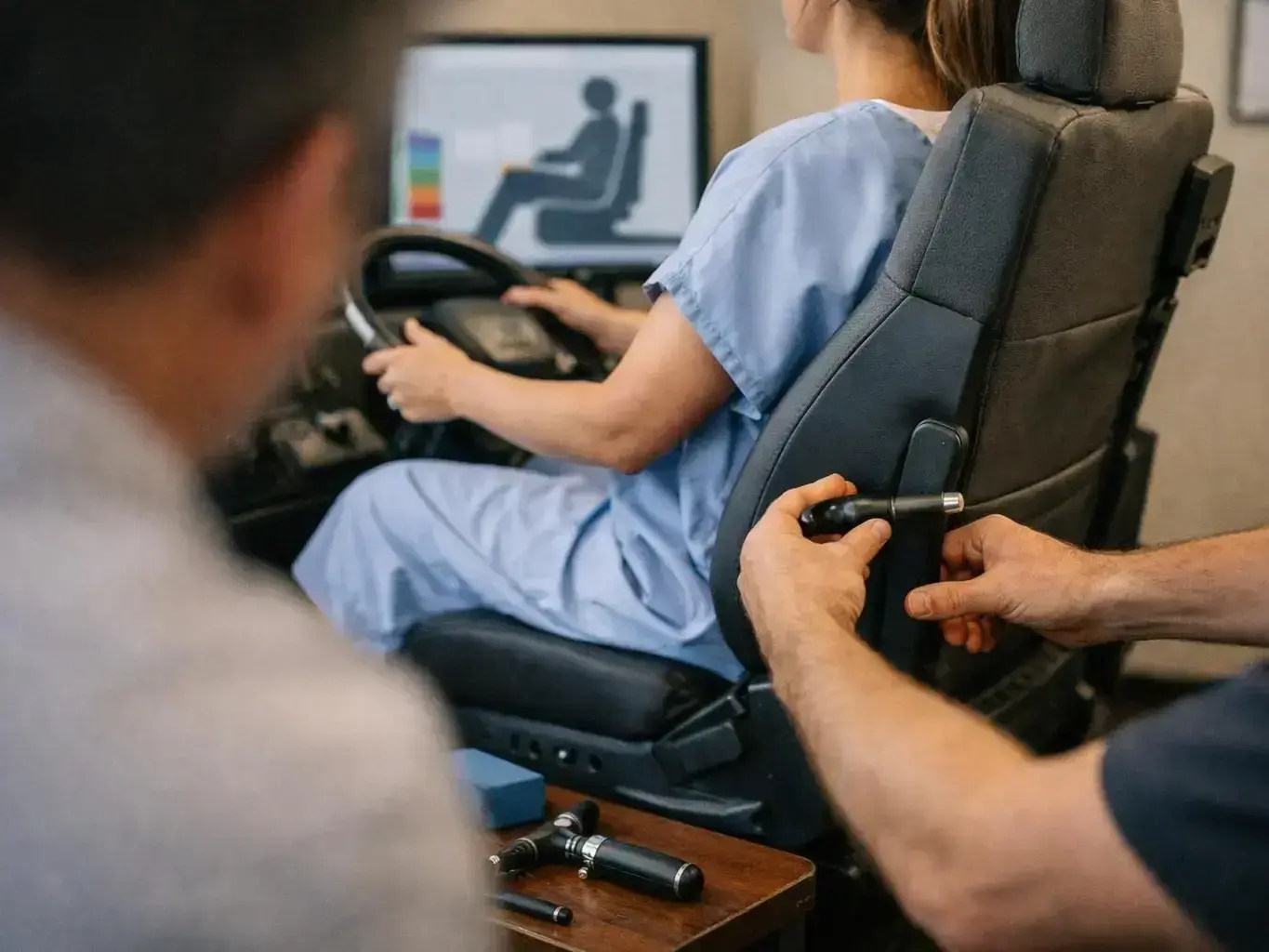
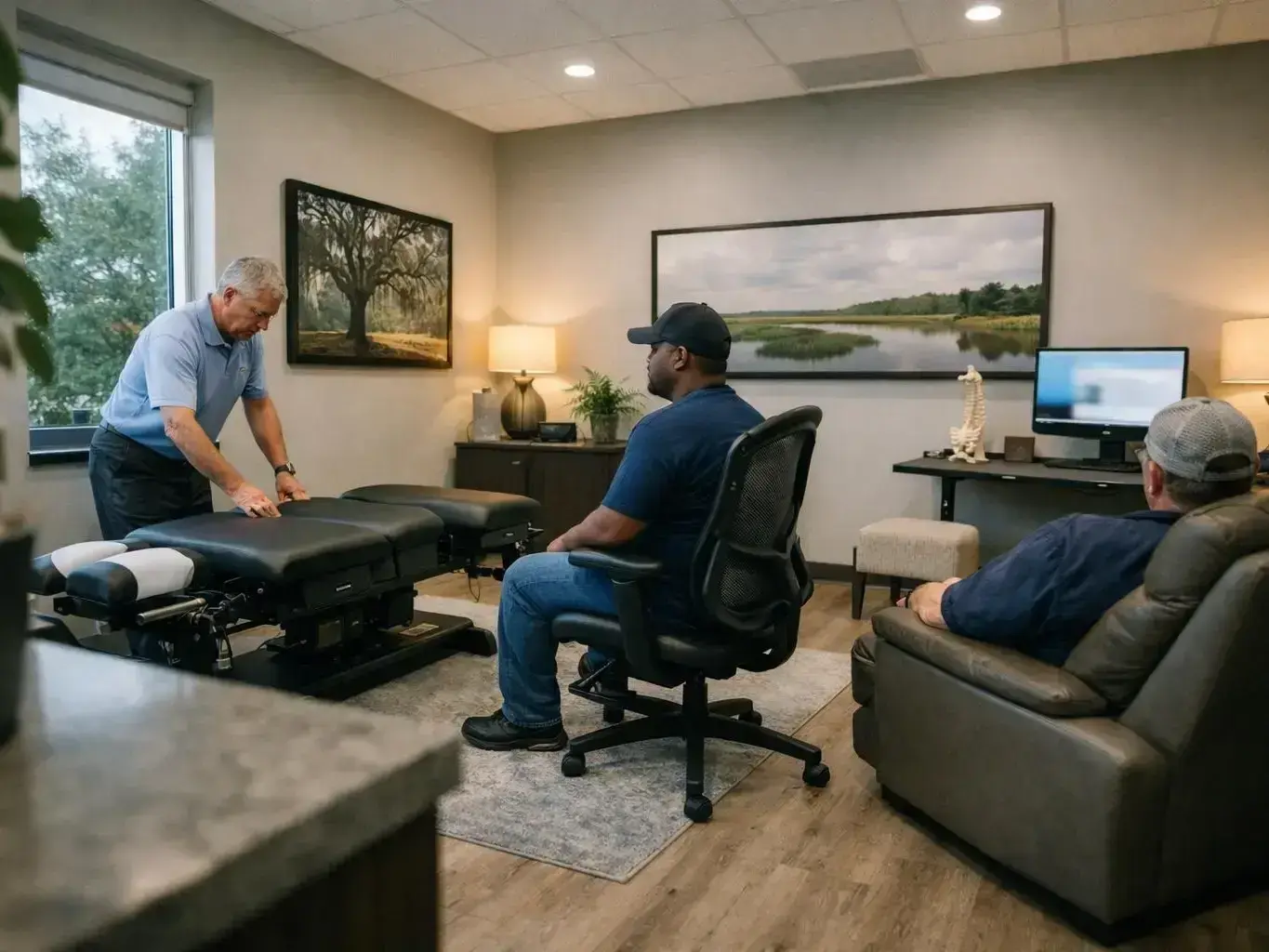
Chiropractors check spinal alignment in a few ways. They look at your body first.
They watch for uneven shoulders or a tilted pelvis. They check for odd spine curves.
They use their hands to feel your spine. This is called palpation (feeling with hands).
They feel for bones out of place. They find tight muscles too.
Sometimes they use X-rays. X-rays show bone positions clearly.
If bones are out of place, they make adjustments. Adjustments are gentle pushes on bones.
They help bones move back into place. Chiropractors often use their hands for this.
They may use tools or special tables too. The goal is to ease nerve pressure.
It also helps joints move better. The body returns to balance.
Some people feel better right away. Others improve over a few visits.
Good spinal alignment keeps you healthy. It helps your nerves send signals.
Signals go from brain to body. They control muscles and organs.
Misalignment blocks these signals. This can cause numbness or tingling.
It may also cause weakness in arms or legs. Headaches or tiredness can happen too.
Some people get stomach problems. Nerves to these areas may be pinched.
Alignment helps you move well. It keeps weight balanced on joints.
This makes daily tasks easier. Sitting, standing. And lifting feel better.
Poor alignment makes some muscles work too hard. This can cause injuries.
It can also cause long-term pain. Athletes need good alignment too.
It helps them perform better. It lowers the chance of sprains.
Spinal alignment matters after injuries. Car accidents or falls can jolt bones.
Even small injuries can shift bones. Slipping on ice is one example.
If not fixed, it causes pain later. People who sit a lot are at risk too.
Office workers and drivers sit for hours. Slouching moves bones out of place.
This can cause long-term pain.
Some health issues affect alignment. Scoliosis is one.
Scoliosis makes the spine curve sideways. It needs care to stop getting worse.
Degenerative disc disease is another. Discs wear down between bones.
Bones shift when discs get thin. Regular chiropractic visits help.
They keep alignment as good as possible. This eases pain and helps movement.

Posture refers to how you hold your body while sitting, standing. Or moving. Spinal Alignment is the actual position of your vertebrae—poor posture can lead to misalignment over time.
Subluxation is a partial dislocation of a vertebra, often causing nerve interference. Spinal Alignment is the overall positioning of all vertebrae, including subluxations.
Even minor misalignments can create long-term stress on the spine. What feels like a slight ache now could lead to chronic pain or mobility issues if left unaddressed. Regular movement and posture checks help maintain alignment between professional adjustments.
After a car accident, a patient noticed stiffness in their lower back and occasional tingling in their left leg. A chiropractor found that two vertebrae in their lower spine were slightly out of alignment, pressing on a nearby nerve. After a series of adjustments, the vertebrae returned to their proper position, relieving the tingling and reducing back pain.
Chiropractic Adjustment is a manual procedure performed by a licensed chiropractor to apply controlled force to a specific joint, usually in the spine, to improve alignment, reduce nerve irritation. And restore normal movement. These adjustments aim to relieve pain, enhance function. And support the body’s natural healing process without surgery or medication.
Posture Correction is the process of identifying and adjusting misaligned body positions to improve spinal health, reduce strain on muscles and joints. And prevent long-term discomfort. It involves exercises, ergonomic changes. And sometimes chiropractic care to retrain the body to hold itself naturally and efficiently. Proper posture supports breathing, digestion.
Back Pain is discomfort, soreness. Or stiffness felt anywhere along the spine or in the muscles of the back. It can range from mild, temporary aches to severe, chronic pain that limits daily activities. Back Pain may originate from muscles, nerves, bones, joints. Or other structures in the spine and often results from injury, poor posture. Or medical conditions.
Nerve Compression is a condition where surrounding tissues, such as bones, muscles. Or tendons, press against a nerve, causing pain, tingling, numbness. Or weakness. This pressure disrupts the nerve’s ability to send signals properly, often affecting areas like the back, neck, wrists. Or legs. It can result from injuries, repetitive motions. Or medical conditions like herniated discs.
Arrowhead Clinic Chiropractor
Contact Arrowhead Clinic Chiropractor for practical guidance on Spinal Alignment and related chiropractor work in Savannah.