Glossary

What is Scoliosis?

Scoliosis is a medical condition where the spine curves sideways instead of running straight down the back. This curve often looks like an 'S' or 'C' shape and can range from mild to severe. Scoliosis usually develops in children and teens but can also affect adults, sometimes causing pain or limiting movement.

Reviewed by Dr. Harry W. Brown, D.C.Sources reviewed: American Academy of Orthopaedic Surgeons, National Institute of Arthritis and Musculoskeletal and Skin Diseases

Quick Facts About Scoliosis

Category

Spinal deformity

Used for

Diagnosing and managing abnormal spinal curves

Common confusion

Scoliosis is not the same as poor posture

Also called

Spinal curvature, Curved spine

Often discussed with

Chiropractic Consultation and Diagnosis

Key Takeaways About Scoliosis

Understanding Scoliosis
Scoliosis in Chiropractor—Savannah

Scoliosis makes the spine bend sideways. It can look like the letter "S" or "C."

Related glossary terms: Spinal Alignment, Back Pain, Chiropractic Care.

Most cases start in kids or teens. They often happen during growth spurts.

Mild curves may not cause problems. But bad scoliosis can hurt.

It can make breathing hard. It can make shoulders or hips uneven.

No one knows the exact cause. It can run in families.

Some health problems can cause it. These include cerebral palsy (a muscle problem).

They also include muscular dystrophy (a muscle disease).

Doctors use X-rays to measure the curve. They use something called the Cobb angle.

A curve of 10 degrees or more is scoliosis. Many with mild cases don't need treatment.

They live normal lives. But doctors watch the curve to make sure it doesn't get worse.

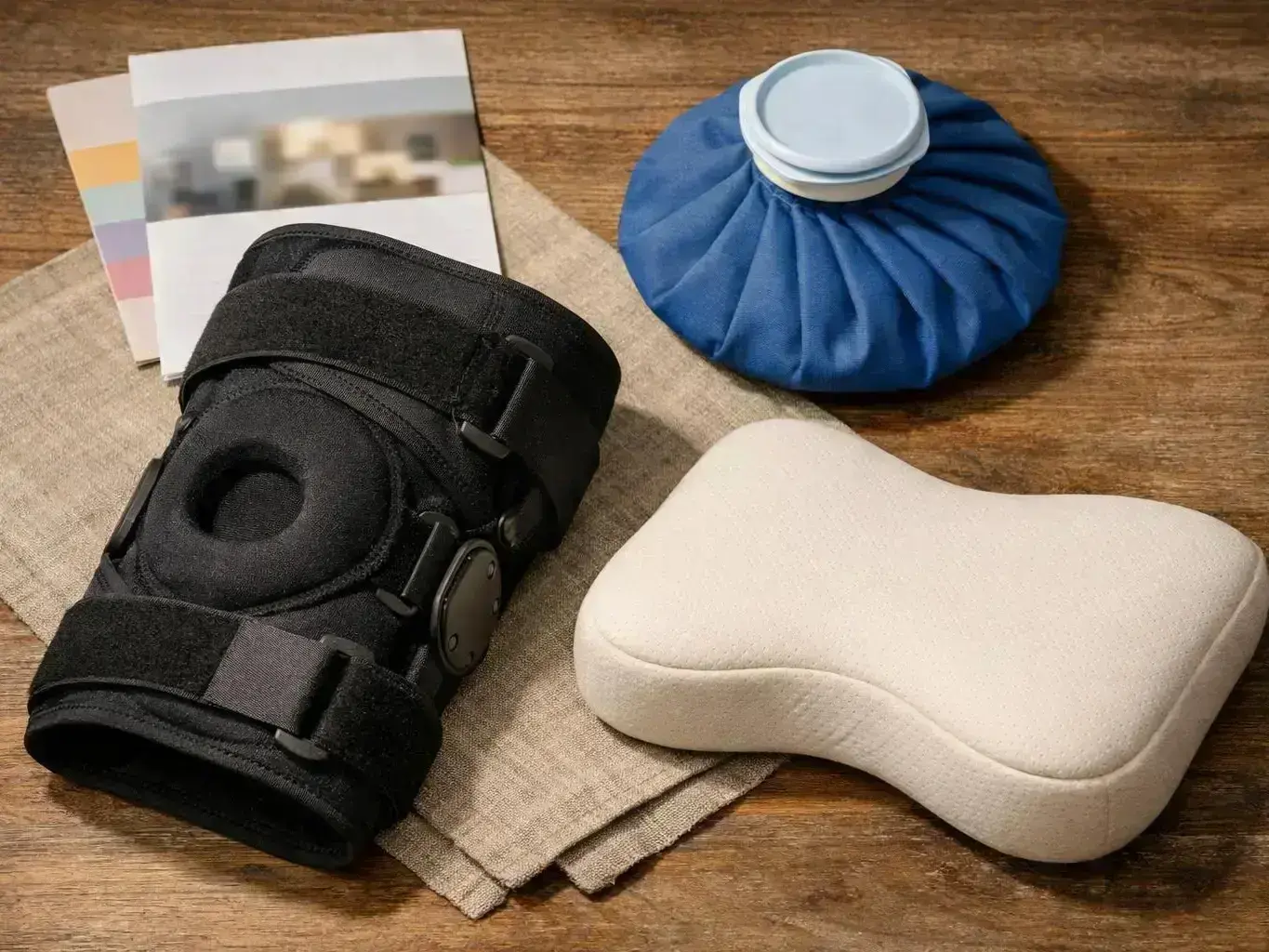
For bad cases, treatment may help. This can include a brace or physical therapy.

Surgery can straighten the spine. It can stop the curve from getting worse.

How Scoliosis Is Measured and Monitored?

Doctors use a simple test. It's called the Adam’s forward bend test.

You bend forward at the waist. The doctor looks for uneven ribs or back.

If they think there's a curve, they take X-rays. These show the Cobb angle.

The Cobb angle tells how bad the curve is. A 25 to 40 degree curve may need a brace.

A curve over 50 degrees may need surgery.

Check-ups are important. Scoliosis can get worse as a child grows.

Adults can get scoliosis too. It happens from wear and tear on the spine.

This can cause pain or stiffness. Chiropractors can help manage symptoms.

They use exercises, stretches. And adjustments. These help you move better.

They also help with pain. Finding scoliosis early makes treatment easier.

Why Scoliosis Matters?

Scoliosis matters because it can cause health problems. A bad curve can press on lungs.

It can also press on the heart. This can make breathing hard.

It can affect blood flow. Even mild scoliosis can cause back pain.

It can make muscles tight. Some feel bad about how they stand.

For kids and teens, early treatment helps. It can stop the curve from getting worse.

This can help avoid surgery later. In adults, scoliosis can cause long-term pain.

It can hurt the lower back. The curve can press on nerves.

This can cause pain. Chiropractic care or a brace can help.

Exercise can help too. These improve life and keep people active.

Knowing about scoliosis helps. It helps families make good choices.

When Scoliosis Matters Most?

Scoliosis is important during growth spurts. These happen in childhood and teen years.

Parents should watch for signs. These include uneven shoulders.

A rib hump may show. Clothes may not fit right.

School screenings can catch it early. But check-ups with a doctor help too.

They help watch the curve. A brace or therapy can stop it from getting worse.

In adults, scoliosis matters when it hurts. It can limit daily activities.

Jobs with heavy lifting can make it worse. So can sitting too long.

Doing the same motions over and over can hurt. Chiropractic care can help with pain.

It can also help you move better. Physical therapy can help too.

In bad cases, surgery may help. It can stabilize the spine.

It can also take pressure off nerves. Finding symptoms early helps.

Getting care early leads to better results.
How to Evaluate Scoliosis?

Related Concepts Compared

Scoliosis vs. Kyphosis

Kyphosis is an excessive forward rounding of the upper back. While scoliosis is a sideways curve of the spine.

Scoliosis vs. Lordosis

Lordosis is an inward curve of the lower back, often called 'swayback,' unlike scoliosis, which curves sideways.

Expert Note

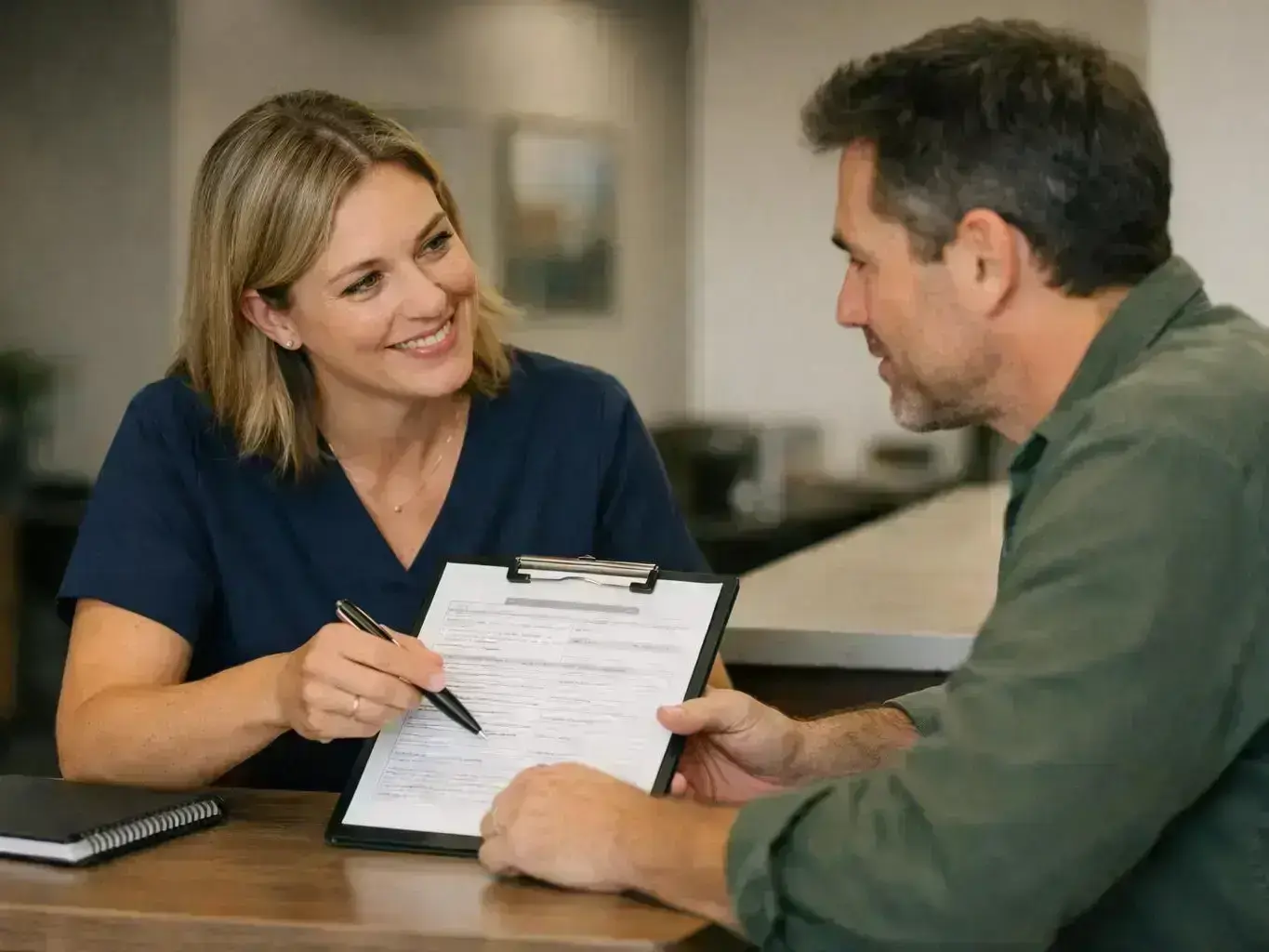
Scoliosis is not just a cosmetic issue—even mild curves can cause muscle imbalances and pain over time. Early chiropractic evaluation can help tailor exercises and adjustments to support spinal health and prevent progression.

Common Mistakes or Myths About Scoliosis

  • Assuming scoliosis is just poor posture and will go away on its own.
  • Believing only children get scoliosis—adults can develop it too.
  • Thinking all scoliosis cases require surgery—many improve with bracing or therapy.
  • Ignoring mild curves, which can worsen without monitoring.

Scoliosis in Practice: A Real-World Example

A 12-year-old girl notices her shirts hang unevenly and one shoulder blade sticks out more than the other. Her pediatrician refers her to a chiropractor, who confirms a 20-degree spinal curve. With regular check-ups and targeted exercises, her curve stabilizes as she grows.

Sources & Further Reading on Scoliosis

  • American Academy of Orthopaedic Surgeons
  • National Institute of Arthritis and Musculoskeletal and Skin Diseases
  • Mayo Clinic

Related Services

Related Terms

Spinal Alignment

Spinal Alignment is the proper positioning of the vertebrae in the spine, ensuring each bone is correctly stacked and balanced. This alignment supports healthy posture, reduces stress on muscles and nerves. And allows the body to move efficiently. Misalignment can cause pain, stiffness. Or nerve irritation and may result from injury, poor posture. Or daily wear and tear.

Back Pain

Back Pain is discomfort, soreness. Or stiffness felt anywhere along the spine or in the muscles of the back. It can range from mild, temporary aches to severe, chronic pain that limits daily activities. Back Pain may originate from muscles, nerves, bones, joints. Or other structures in the spine and often results from injury, poor posture. Or medical conditions.

Chiropractic Care

Chiropractic Care is a healthcare discipline focused on diagnosing and treating musculoskeletal disorders, primarily through hands-on spinal adjustments and manipulations. Chiropractic Care aims to improve joint function, reduce pain. And support the body’s natural ability to heal without surgery or medication. Practitioners, called chiropractors, undergo extensive training to assess and address conditions related to the spine, nerves, muscles.

Posture Correction

Posture Correction is the process of identifying and adjusting misaligned body positions to improve spinal health, reduce strain on muscles and joints. And prevent long-term discomfort. It involves exercises, ergonomic changes. And sometimes chiropractic care to retrain the body to hold itself naturally and efficiently. Proper posture supports breathing, digestion.

Physical Rehabilitation

Physical Rehabilitation is a structured program of exercises, therapies. And education designed to help individuals regain strength, mobility. And function after injury, surgery. Or illness. Physical Rehabilitation restores independence, reduces pain. And improves quality of life by addressing physical limitations through guided, progressive techniques performed by trained professionals.

Arrowhead Clinic Chiropractor

Have Questions About Scoliosis?

Contact Arrowhead Clinic Chiropractor for practical guidance on Scoliosis and related chiropractor work in Savannah.

+1 912-378-1371