Glossary

What is Low Back Pain?

Low Back Pain is discomfort, stiffness. Or aching in the lower part of the spine, often caused by muscle strain, poor posture, injury. Or wear-and-tear on spinal structures. It can range from mild to severe and may limit daily activities like sitting, standing. Or lifting. Most cases improve with rest, exercise. Or professional care. But chronic pain may signal deeper issues.

Reviewed by Dr. Harry W. Brown, D.C.Sources reviewed: National Institute of Neurological Disorders and Stroke, Mayo Clinic

Quick Facts About Low Back Pain

Category

Musculoskeletal condition

Used for

Diagnosing spinal discomfort or injury

Common confusion

Often mistaken for kidney pain or general fatigue

Also called

Lumbar Pain, Lower Backache

Often discussed with

Chiropractic Consultation and Diagnosis, Work Injury Treatment

Key Takeaways About Low Back Pain

Understanding Low Back Pain
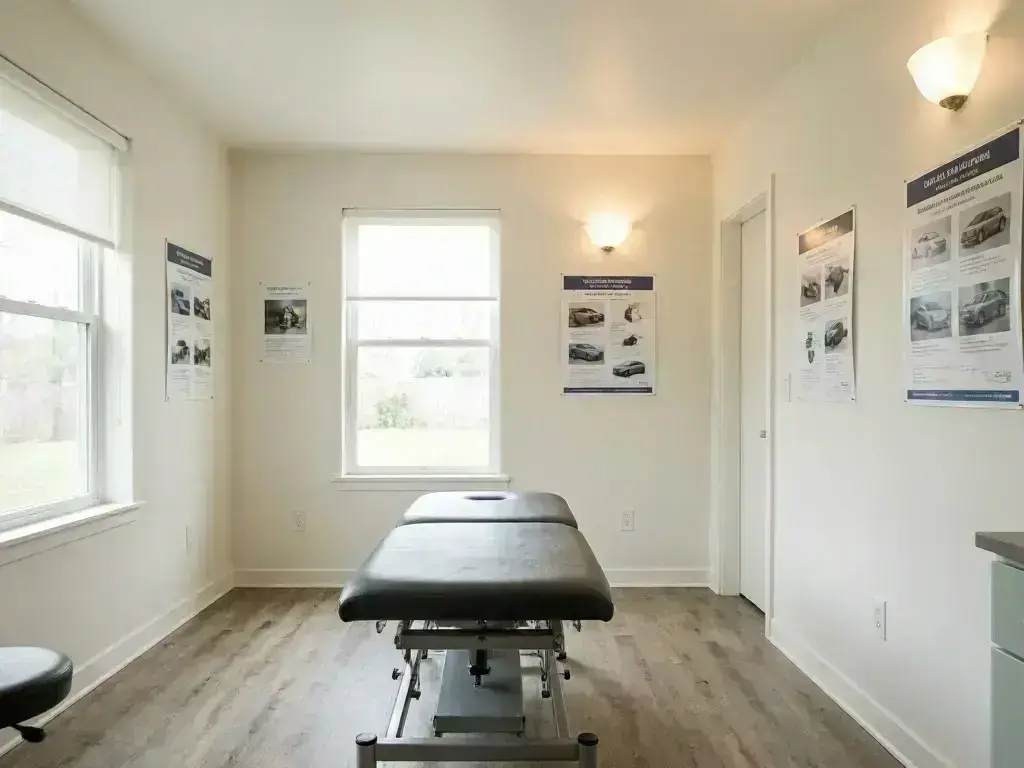
Low Back Pain in Chiropractor—Savannah

Low Back Pain means discomfort in your lower back. This area is between your ribs and pelvis. It holds much of your body's weight.

Related glossary terms: Back Pain, Disc Herniation, Spinal Alignment.

Your lower back helps you move. It can get hurt easily. Pain may feel sharp, dull. Or throbbing.

Pain can start fast or come on slow. Most pain goes away soon. Some people have pain that keeps coming back.

This pain can make work or sleep hard. Daily tasks may feel tough. It's a common problem for many.

Many things cause Low Back Pain. Muscles or ligaments can get strained. Discs (soft parts between bones) can have problems.

Arthritis (joint swelling) can cause pain too. Bad posture can hurt your back. Lifting heavy things wrong can sprain muscles.

Sitting too long can stress your spine. Aging makes discs less bendy. Joints wear down over time.

Knowing the cause helps find the best fix. This can stop pain and keep it from coming back.

How Low Back Pain Works?

Your lower back is called the lumbar spine. It has five bones called vertebrae. Discs sit between these bones.

Nerves, muscles. And ligaments are there too. If any part gets hurt, your brain feels pain. A herniated disc (a bulging disc) can press on nerves.

This causes sharp pain down your leg. It's called sciatica. Muscle strains cause soreness in one spot.

Pain changes with how long it lasts. Acute Low Back Pain lasts days or weeks. It usually gets better with care at home.

Subacute pain lasts 4 to 12 weeks. Chronic pain lasts over 12 weeks. Chronic pain may need many treatments.

Treatments can include therapy or changes in life. Medicine may help too. The goal is to manage pain well.

Why Low Back Pain Matters?

Low Back Pain is a top reason people see doctors. It's also why many miss work. Pain can make moving hard.

It can keep you from sleeping well. Work may feel harder too. Some people get stuck in a bad cycle.

Pain makes them move less. Less moving weakens muscles. Weak muscles lead to more pain.

Fixing pain early stops long-term problems. It helps people get back to normal fast. This is very important.

Low Back Pain costs lots of money. It leads to big healthcare bills. Missed work adds to the cost.

Simple steps can stop pain before it starts. Stay at a healthy weight. Exercise often.

Lift things the right way. These steps help your back. They save money for everyone.

When Low Back Pain Matters Most?

Some Low Back Pain needs quick help. Bad pain after a fall or crash is serious. It could mean a broken bone or bulging disc.

Pain with numbness or tingling is bad too. Weak legs mean nerves may be pinched. See a doctor right away.

People with osteoporosis (weak bones) need to watch pain. So do those with arthritis (joint swelling). Pain can get worse over time.

Daily habits can make pain flare up. Sitting too long makes backs stiff. Office workers and drivers feel this often.

Athletes and laborers lift heavy things. They do the same moves over and over. This can strain or sprain backs.

Knowing what causes pain helps. You can protect your back. This lowers the chance of pain.
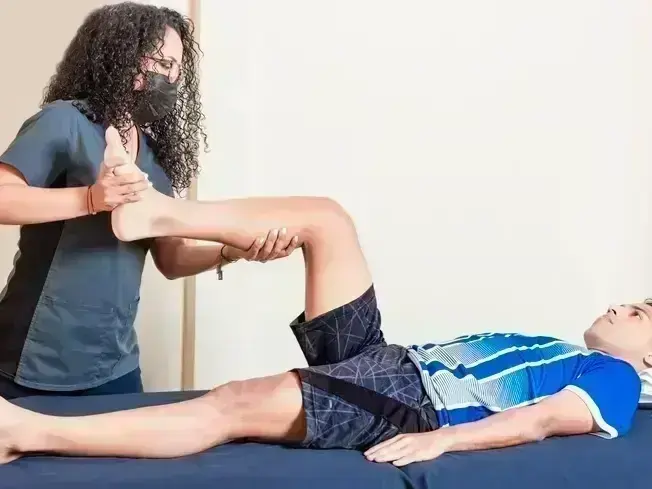
How to Evaluate Low Back Pain?

Related Concepts Compared

Low Back Pain vs. Sciatica

Sciatica is a type of Low Back Pain caused by nerve compression, often resulting in pain that travels down the leg. While general Low Back Pain may stay localized to the lower back.

Low Back Pain vs. Degenerative Disc Disease

Degenerative Disc Disease refers to wear-and-tear on spinal discs, a common cause of Low Back Pain. But not all Low Back Pain stems from disc degeneration.

Expert Note

Low Back Pain often stems from cumulative stress rather than a single incident. Small, repeated strains—like poor posture or improper lifting—can weaken spinal structures over time, making professional guidance valuable for long-term prevention.

Common Mistakes or Myths About Low Back Pain

  • Ignoring pain and pushing through daily activities, which can worsen the condition.
  • Assuming all Low Back Pain is the same—different causes require different treatments.
  • Relying solely on pain medication without addressing underlying issues like posture or muscle weakness.
  • Believing bed rest is the best solution—prolonged inactivity can delay recovery.
  • Overlooking simple preventive measures, such as stretching or ergonomic adjustments.

Low Back Pain in Practice: A Real-World Example

After lifting a heavy box at work, a warehouse employee feels a sharp pain in their lower back. The discomfort worsens when bending or twisting, making it difficult to complete their shift. Rest and gentle stretching provide some relief. But the pain persists after a week, prompting a visit to a chiropractor for evaluation.

Sources & Further Reading on Low Back Pain

Related Services

Related Terms

Back Pain

Back Pain is discomfort, soreness. Or stiffness felt anywhere along the spine or in the muscles of the back. It can range from mild, temporary aches to severe, chronic pain that limits daily activities. Back Pain may originate from muscles, nerves, bones, joints. Or other structures in the spine and often results from injury, poor posture. Or medical conditions.

Disc Herniation

Disc herniation is a spinal condition where the soft inner gel of an intervertebral disc leaks through a tear in the disc’s tough outer layer. This leakage can press on nearby nerves, causing pain, numbness. Or weakness in the back, arms. Or legs. Disc herniation often occurs in the lower back or neck and is commonly linked to aging, injury.

Spinal Alignment

Spinal Alignment is the proper positioning of the vertebrae in the spine, ensuring each bone is correctly stacked and balanced. This alignment supports healthy posture, reduces stress on muscles and nerves. And allows the body to move efficiently. Misalignment can cause pain, stiffness. Or nerve irritation and may result from injury, poor posture. Or daily wear and tear.

Joint Dysfunction

Joint Dysfunction is a condition where a joint in the body moves improperly or loses its normal range of motion, often causing pain, stiffness. Or inflammation. It can result from injury, overuse, poor posture. Or degenerative changes like arthritis. Joint Dysfunction may affect any joint, including the spine, shoulders, hips. Or knees. And can disrupt daily activities.

Arrowhead Clinic Chiropractor

Have Questions About Low Back Pain?

Contact Arrowhead Clinic Chiropractor for practical guidance on Low Back Pain and related chiropractor work in Savannah.

+1 912-378-1371