Glossary

What is Nimmo Technique?

Nimmo Technique is a chiropractic method focused on identifying and releasing tender trigger points in muscles to relieve pain and improve mobility. Developed by Dr. Raymond Nimmo, this approach uses sustained manual pressure on specific points to reduce muscle tension and restore normal function without cracking joints or using forceful adjustments.

Reviewed by ChiropractorSavannah.linkSources reviewed: American Chiropractic Association, Journal of Chiropractic Medicine

Quick Facts About Nimmo Technique

Category

Soft tissue chiropractic technique

Used for

Muscle pain, tension headaches. And restricted motion

Common confusion

Often mistaken for deep tissue massage or joint manipulation

Also called

Receptor-Tonus Technique, Trigger Point Therapy

Often discussed with

Chiropractic Consultation and Diagnosis, Neck Injury Treatment

Key Takeaways About Nimmo Technique

Understanding Nimmo Technique

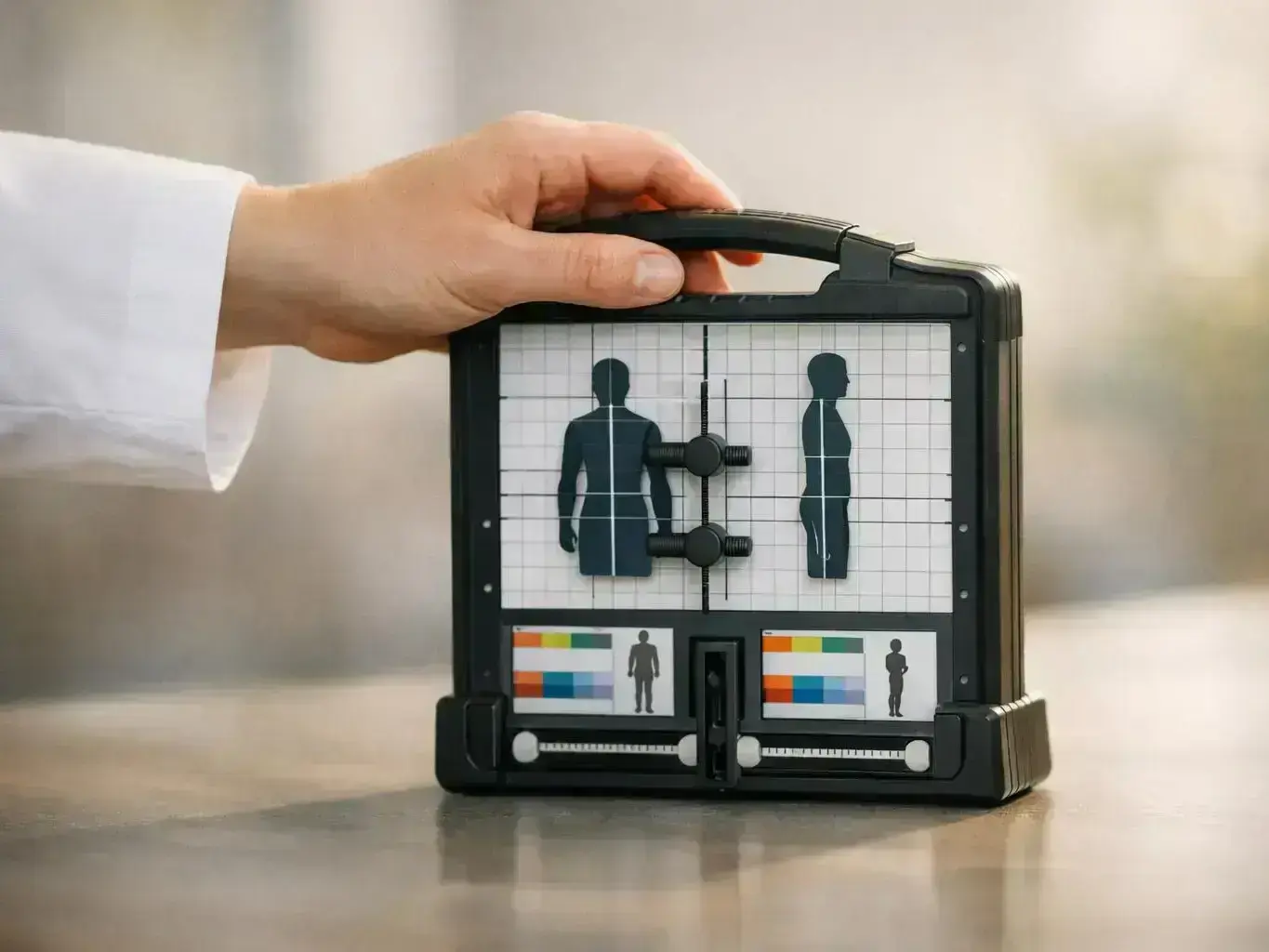
Nimmo Technique in Chiropractor: Nimmo Technique is a chiropractic method focused on identifying and releasing tender—visu...

The Nimmo Technique is a specialized approach within chiropractic care designed to address muscle-related pain and dysfunction. Unlike traditional chiropractic adjustments that focus on spinal joints, this method centers on tender points within muscles known as trigger points. These points often feel like small knots and can cause pain in areas far from their location, a phenomenon called referred pain. By applying precise, sustained pressure to these trigger points, practitioners aim to release tension, improve blood flow. And restore normal muscle function.

Related glossary terms: Myofascial Release, Soft Tissue Therapy, Chiropractic Adjustment.

This technique was developed by Dr. Raymond Nimmo, a chiropractor who observed that muscle tension frequently contributed to joint misalignments and overall discomfort. His work emphasized the importance of treating muscles as a key part of musculoskeletal health. The Nimmo Technique is often used alongside other chiropractic methods, such as spinal adjustments or stretching, to provide full relief for patients dealing with chronic pain, stiffness. Or movement limitations.

How Nimmo Technique Works?

The Nimmo Technique involves a step-by-step process to identify and treat trigger points. First, the practitioner performs a physical examination to locate tender areas in the muscles. These trigger points are often found in predictable patterns, such as along the shoulders, neck. Or lower back. And may feel firmer than surrounding tissue. Once identified, the practitioner applies steady, controlled pressure directly to the point using their fingers or thumbs. This pressure is typically held for several seconds, allowing the muscle to relax and release tension.

The goal is to reduce the hypersensitivity of the trigger point, which can help alleviate pain and improve range of motion. Patients may feel slight discomfort during the pressure application. But This is usually followed by a sense of relief as the muscle relaxes. The technique doesn't involve sudden movements, cracking sounds. Or forceful adjustments, making it a gentle option for individuals sensitive to traditional chiropractic methods. Sessions may include multiple trigger points, depending on the patient’s specific needs.

Why Nimmo Technique Matters?

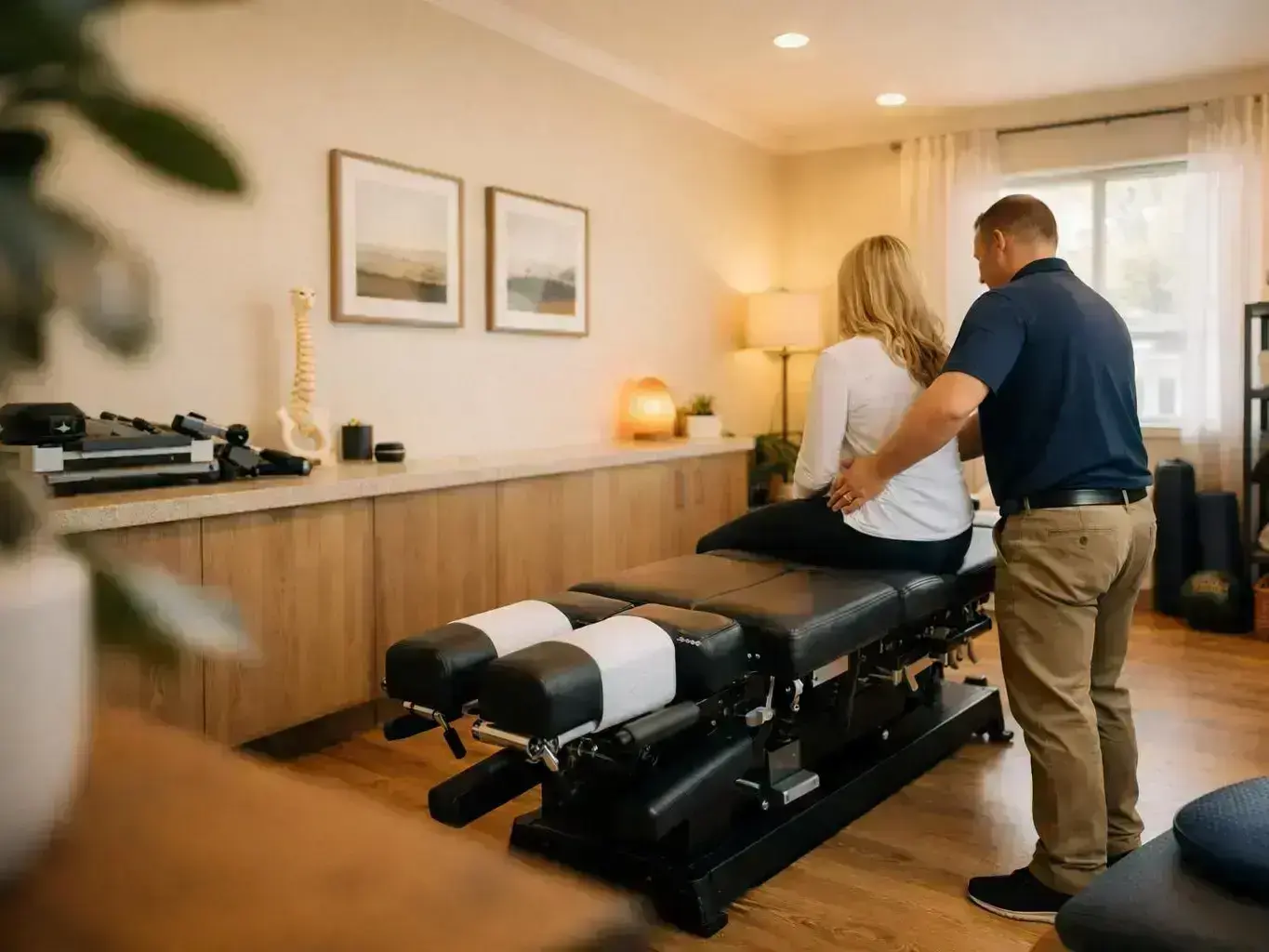
How Nimmo Technique applies to Chiropractor services in Savannah, United States—practical illustration

Muscle tension and trigger points are common contributors to pain and mobility issues. Yet they're often overlooked in favor of joint-focused treatments. The Nimmo Technique addresses this gap by providing a targeted way to relieve muscle-related discomfort without invasive procedures or medications. For patients with conditions like tension headaches, repetitive strain injuries. Or chronic back pain, this technique can offer significant relief by breaking the cycle of muscle tightness and pain.

And the Nimmo Technique can complement other forms of care, such as physical therapy or chiropractic adjustments, by addressing the muscle imbalances that may contribute to joint dysfunction. By improving muscle function, patients may experience better results from their overall treatment plan, including faster recovery times and reduced reliance on pain medications. This makes the technique a valuable tool for both acute injuries and long-term musculoskeletal health.

When Nimmo Technique Matters Most?

The Nimmo Technique is particularly useful in situations where muscle tension is a primary concern. For example, individuals with tension headaches often find relief through this method, as trigger points in the neck and shoulders frequently contribute to head pain. Similarly, athletes or workers with repetitive strain injuries, such as carpal tunnel syndrome or lower back strain, may benefit from the technique’s ability to release tight muscles and improve flexibility.

This approach is also helpful for patients who prefer gentle, non-forceful treatments or those who have not responded well to traditional chiropractic adjustments. Because the Nimmo Technique does not involve joint manipulation, it's suitable for individuals with conditions like osteoporosis, arthritis. Or recent surgeries where forceful adjustments may not be recommended. And it can be a useful option for patients recovering from injuries, such as whiplash or sports-related strains, where muscle tension is a significant factor in their discomfort.


How to Evaluate Nimmo Technique?

Related Concepts Compared

Nimmo Technique vs. Myofascial Release

Myofascial release uses gentle, sustained pressure to stretch and release the fascia (connective tissue). While Nimmo Technique focuses specifically on tender trigger points within muscles.

Nimmo Technique vs. Graston Technique

Graston Technique uses specialized instruments to break up scar tissue and adhesions, whereas Nimmo Technique relies on manual finger pressure to release muscle knots.

Nimmo Technique vs. Spinal Adjustment

Spinal adjustments target joint alignment using quick thrusts. While Nimmo Technique addresses muscle tension without manipulating joints.

Expert Note

While Nimmo Technique is gentle, proper identification of trigger points is critical—applying pressure to the wrong area may not provide relief and could cause unnecessary discomfort. Always ensure the practitioner conducts a thorough examination first.

Common Mistakes or Myths About Nimmo Technique

  • Assuming it’s the same as deep tissue massage—Nimmo Technique targets specific trigger points, not broad muscle groups.
  • Expecting immediate relief after one session—multiple treatments may be needed for chronic issues.
  • Confusing it with joint manipulation—this technique focuses on muscles, not bones or joints.
  • Thinking it’s only for athletes—it helps anyone with muscle tension, including office workers or seniors.

Nimmo Technique in Practice: A Real-World Example

A patient visits a chiropractor for recurring tension headaches. During the exam, the practitioner finds tender knots in the upper back and neck muscles. Using the Nimmo Technique, they apply steady pressure to these trigger points for several seconds. After the session, the patient reports reduced head pain and less stiffness in their shoulders, allowing them to move more freely.

Sources & Further Reading on Nimmo Technique

Related Services

Related Terms

Myofascial Release

Myofascial Release is a hands-on therapy that gently stretches and loosens tight fascia, the connective tissue surrounding muscles. This technique helps reduce pain, improve movement. And restore flexibility by applying sustained pressure to release tension in the fascia and underlying muscles.

Soft Tissue Therapy

Soft Tissue Therapy is a hands-on treatment method that targets muscles, tendons, ligaments. And fascia to reduce pain, improve mobility. And aid recovery. Soft Tissue Therapy uses techniques like massage, stretching. And pressure to break up scar tissue, relieve tension. And restore normal function without surgery or medication.

Chiropractic Adjustment

Chiropractic Adjustment is a precise, hands-on procedure chiropractors use to correct misalignments in the spine or joints. These misalignments, called subluxations, can cause pain, reduced mobility. Or nerve irritation. The adjustment applies controlled force to restore proper movement and alignment, helping the body heal naturally without surgery or medication.

Neck Pain

Neck Pain is discomfort, stiffness. Or soreness in the cervical spine—the seven vertebrae that support the head and enable movement. It can range from mild irritation to severe, disabling pain, often caused by poor posture, injury, muscle strain. Or degenerative conditions like arthritis. Symptoms may include limited mobility, headaches.

Back Pain

Back Pain is discomfort, aching. Or stiffness felt anywhere along the spine, from the neck to the lower back. Back Pain can range from mild, temporary soreness to severe, chronic pain that limits daily activities. It often results from muscle strain, injury, poor posture.

ChiropractorSavannah.link

Have Questions About Nimmo Technique?

Contact ChiropractorSavannah.link for practical guidance on Nimmo Technique and related chiropractor work in Savannah.

+1 912-378-1371