Glossary

What is Sacro Occipital Technique?

Sacro Occipital Technique is a chiropractic method that focuses on the relationship between the sacrum (base of the spine) and the occiput (base of the skull) to improve nervous system function and spinal alignment. It uses gentle, non-force adjustments, pelvic blocking. And cranial techniques to restore balance, reduce pain. And support natural healing processes in the body.

Reviewed by ChiropractorSavannah.linkSources reviewed: Sacro Occipital Technique Organization (SOTO), National University of Health Sciences

Quick Facts About Sacro Occipital Technique

Category

Chiropractic technique

Used for

Chronic pain, spinal misalignment, nervous system dysfunction

Common confusion

Often mistaken for forceful spinal adjustments

Also called

SOT, Sacro-Occipital Technique

Often discussed with

Chiropractic Consultation and Diagnosis, Personal Injury Chiropractic Care

Key Takeaways About Sacro Occipital Technique

Understanding Sacro Occipital Technique

Sacro Occipital Technique in Chiropractor: Sacro Occipital Technique is a chiropractic method that focuses on the relation...

Sacro Occipital Technique (SOT) is a chiropractic approach developed in the 1920s by Dr. Major Bertrand DeJarnette. It focuses on the relationship between the sacrum, the triangular bone at the base of the spine. And the occiput, the bone at the base of the skull. The technique is based on the idea that misalignments in these areas can disrupt the flow of cerebrospinal fluid, affect nervous system function. And contribute to pain or dysfunction throughout the body.

Related glossary terms: Chiropractic Care, Spinal Adjustment, Myofascial Release.

Unlike traditional chiropractic adjustments that rely on manual force, SOT uses gentle, low-force methods. Practitioners often use pelvic blocks—wedge-shaped cushions placed under the pelvis—to help realign the sacrum passively. This approach is designed to be comfortable for patients, including those with acute pain, sensitivity. Or conditions that make forceful adjustments unsuitable. SOT also incorporates cranial techniques, which involve subtle manipulations of the skull bones to further support nervous system balance.

How Sacro Occipital Technique Works?

Sacro Occipital Technique works by addressing imbalances in the body’s structural foundation. The sacrum and occiput are connected through the dura mater, a membrane that surrounds the brain and spinal cord. When the sacrum is misaligned, it can create tension in this membrane, leading to compensatory patterns in the spine, pelvis. And even the skull. SOT practitioners assess these imbalances through specific indicators, such as leg length discrepancies, muscle tension. And postural distortions.

In practice, During a session, the chiropractor may use pelvic blocks to position the patient in a way that allows gravity to help correct sacral misalignments. For example, a patient might lie on their back with blocks under their pelvis to encourage the sacrum to shift into a more balanced position. Cranial techniques may also be applied, involving gentle pressure on specific points of the skull to release tension in the dura mater. These methods are often combined with soft tissue work, such as myofascial release, to support long-term alignment and pain relief.

SOT is typically performed in a series of sessions, with each visit building on the progress of the previous one. The number of sessions required depends on the severity of the condition, the patient’s overall health. And their response to the technique. Because SOT is gentle, it's often used for patients with chronic pain, headaches. Or conditions like scoliosis, where forceful adjustments might be contraindicated.

Why Sacro Occipital Technique Matters?
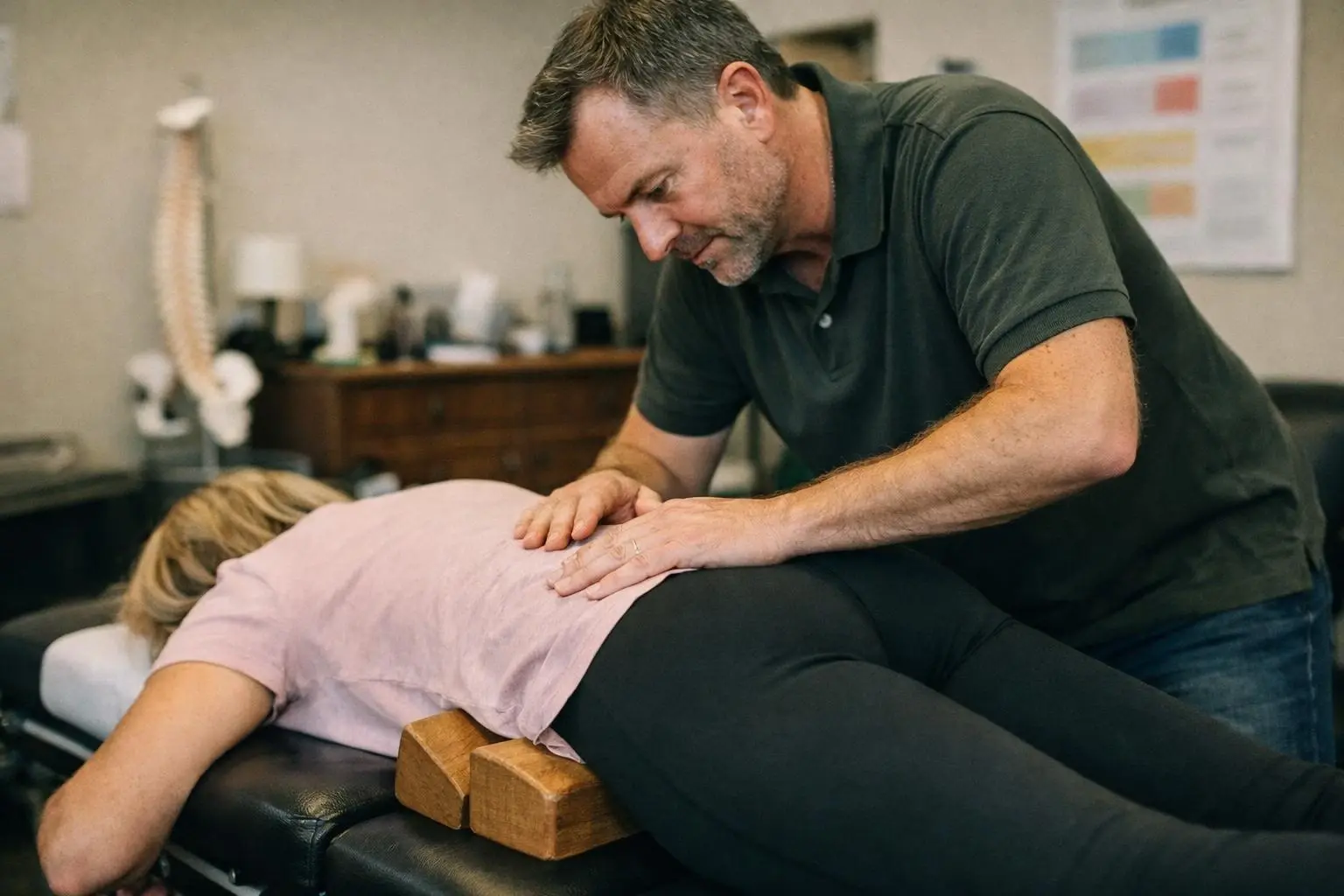
How Sacro Occipital Technique applies to Chiropractor services in Savannah, United States—practical illustration

Sacro Occipital Technique matters because it offers a non-invasive, low-force alternative to traditional chiropractic care. For patients who are hesitant about manual adjustments—such as those with osteoporosis, recent injuries. Or high pain sensitivity - SOT provides a way to address spinal misalignments without discomfort or risk. The technique is also valuable for individuals with chronic conditions, such as migraines, lower back pain. Or temporomandibular joint (TMJ) dysfunction, where underlying structural imbalances may contribute to ongoing symptoms.

Another key benefit of SOT is its focus on the nervous system. By improving the alignment of the sacrum and occiput, the technique aims to boost the flow of cerebrospinal fluid, which plays a critical role in nourishing the brain and spinal cord. This can lead to improvements in overall nervous system function, including better coordination, reduced inflammation. And enhanced healing capacity. For patients recovering from injuries or surgeries, SOT can support the body’s natural recovery processes by reducing tension and improving circulation.

When Sacro Occipital Technique Matters Most?

Sacro Occipital Technique is particularly valuable in situations where traditional chiropractic adjustments may not be suitable or effective. For example, patients with acute pain, such as those recovering from a car accident or sports injury, may find SOT more comfortable than forceful manipulations. The technique is also commonly used for individuals with chronic conditions, such as fibromyalgia or arthritis, where gentle, sustained pressure is more appropriate than high-velocity adjustments. Pregnant women, who often experience pelvic misalignments due to hormonal changes, may also benefit from SOT’s low-force approach.

SOT is frequently used alongside other chiropractic or physical therapy methods to address complex cases. For instance, a patient with a history of lower back pain and headaches might receive SOT to balance the sacrum and occiput, combined with soft tissue therapy to release tight muscles. The technique is also useful for patients who have not responded to other forms of chiropractic care, offering a different approach to achieving spinal alignment and pain relief. In Savannah, GA, where chiropractors often treat patients with work-related injuries or age-related conditions, SOT provides a versatile tool for addressing a wide range of musculoskeletal issues.
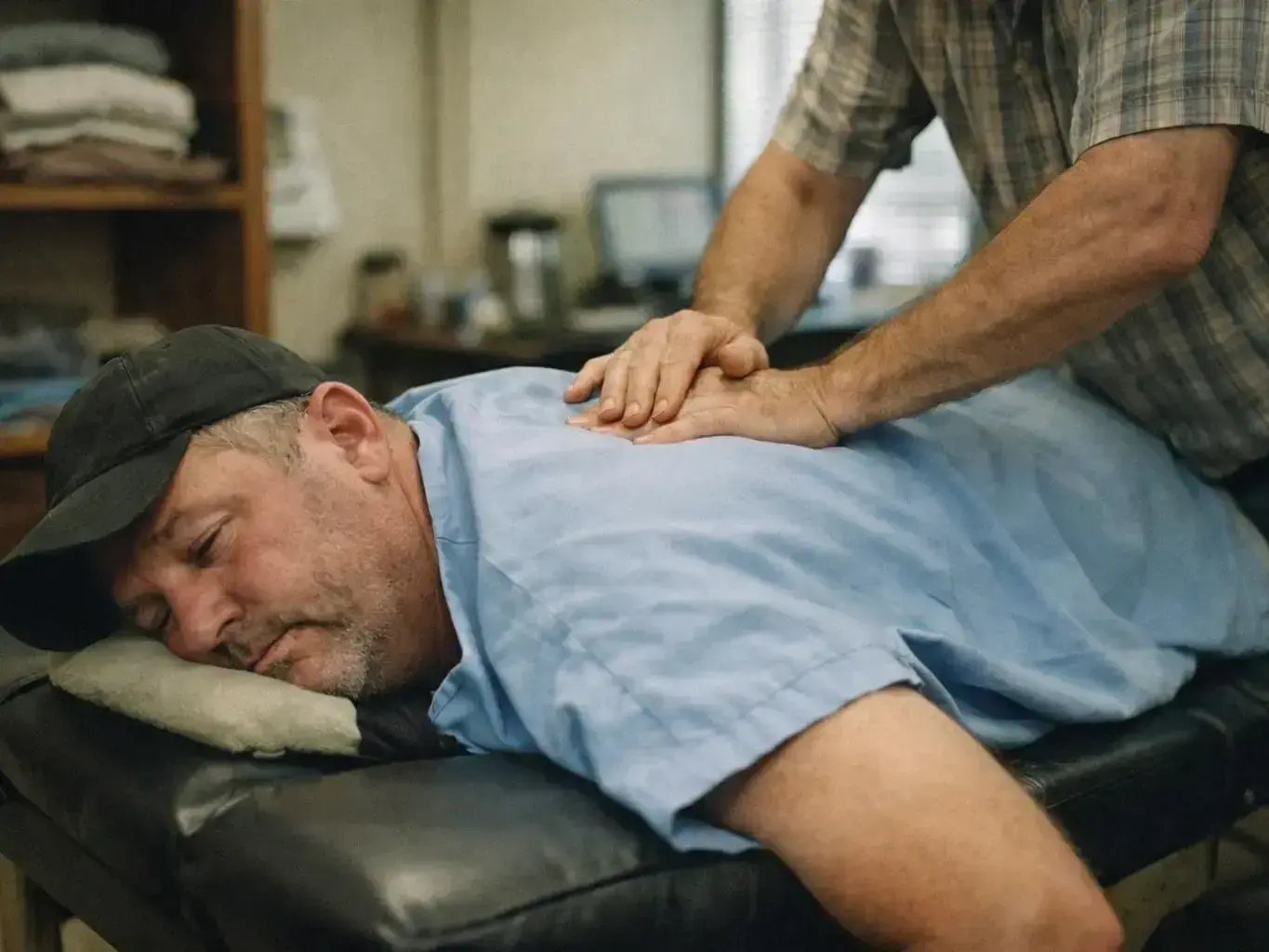

How to Evaluate Sacro Occipital Technique?

Related Concepts Compared

Sacro Occipital Technique vs. Diversified Technique

Diversified Technique relies on high-velocity, manual adjustments to correct spinal misalignments. While Sacro Occipital Technique uses gentle, low-force methods like pelvic blocks and cranial techniques.

Sacro Occipital Technique vs. Gonstead Technique

Gonstead Technique focuses on precise, hands-on adjustments to specific vertebrae, whereas Sacro Occipital Technique emphasizes the relationship between the sacrum and occiput to improve overall spinal balance.

Sacro Occipital Technique vs. Cranial Sacral Therapy

Cranial Sacral Therapy is a standalone therapy that focuses on the skull and cerebrospinal fluid. While Sacro Occipital Technique is a chiropractic method that integrates cranial work with spinal and pelvic adjustments.

Expert Note

Sacro Occipital Technique is unique in its holistic approach, addressing not just spinal alignment but also the nervous system’s role in pain and dysfunction. Its gentle nature makes it suitable for patients who may not tolerate forceful adjustments. But results often require consistency over multiple sessions.

Common Mistakes or Myths About Sacro Occipital Technique

  • Assuming Sacro Occipital Technique involves forceful spinal adjustments like traditional chiropractic methods.
  • Expecting immediate results—this technique often requires multiple sessions for lasting benefits.
  • Confusing it with Cranial Sacral Therapy, which focuses solely on the skull and cerebrospinal fluid.
  • Believing it is only for back pain—SOT can address headaches, TMJ dysfunction. And nervous system imbalances.
  • Overlooking the importance of pelvic blocks, which are a key tool in SOT for passive realignment.

Sacro Occipital Technique in Practice: A Real-World Example

A patient with chronic lower back pain and frequent headaches visits a chiropractor in Savannah, GA. After traditional adjustments provide only temporary relief, the chiropractor suggests Sacro Occipital Technique. During the session, the patient lies on pelvic blocks while the chiropractor gently adjusts the skull and sacrum. Over several weeks, the patient notices reduced pain, improved posture. And fewer headaches, indicating the technique’s effectiveness.

Sources & Further Reading on Sacro Occipital Technique

Related Services

Related Terms

Chiropractic Care

Chiropractic Care is a healthcare discipline focused on diagnosing and treating musculoskeletal disorders, particularly those related to the spine. Chiropractic Care uses non-surgical, drug-free methods, primarily spinal adjustments, to alleviate pain, improve mobility. And support the body’s natural healing processes. Practitioners, called chiropractors, undergo extensive training to assess and address issues like back pain, neck pain.

Spinal Adjustment

Spinal Adjustment is a precise manual procedure chiropractors perform to improve spinal motion, reduce nerve irritation. And ease back or neck pain. It involves applying controlled force to a specific joint in the spine, often producing a popping sound as gas escapes the joint. The goal is restoring proper alignment and function without surgery or medication.

Myofascial Release

Myofascial Release is a hands-on therapy that gently stretches and loosens tight fascia, the connective tissue surrounding muscles. This technique helps reduce pain, improve movement. And restore flexibility by applying sustained pressure to release tension in the fascia and underlying muscles.

Posture Correction

Posture Correction is the process of identifying and adjusting misalignments in the spine, muscles. And joints to improve body alignment. It involves exercises, stretches, ergonomic adjustments. And sometimes chiropractic care to reduce strain, pain. And long-term damage caused by poor posture. Proper posture correction helps maintain balance, supports organ function. And prevents injuries related to slouching or uneven weight distribution.

Nerve Compression

Nerve Compression is pressure on a nerve from surrounding tissues such as bones, cartilage, muscles. Or tendons. This pressure disrupts the nerve’s function, causing pain, tingling, numbness. Or weakness in the affected area. Common sites include the spine, wrists. And elbows, often resulting from injury, repetitive motion.

ChiropractorSavannah.link

Have Questions About Sacro Occipital Technique?

Contact ChiropractorSavannah.link for practical guidance on Sacro Occipital Technique and related chiropractor work in Savannah.

+1 912-378-1371