Understanding Thompson Technique

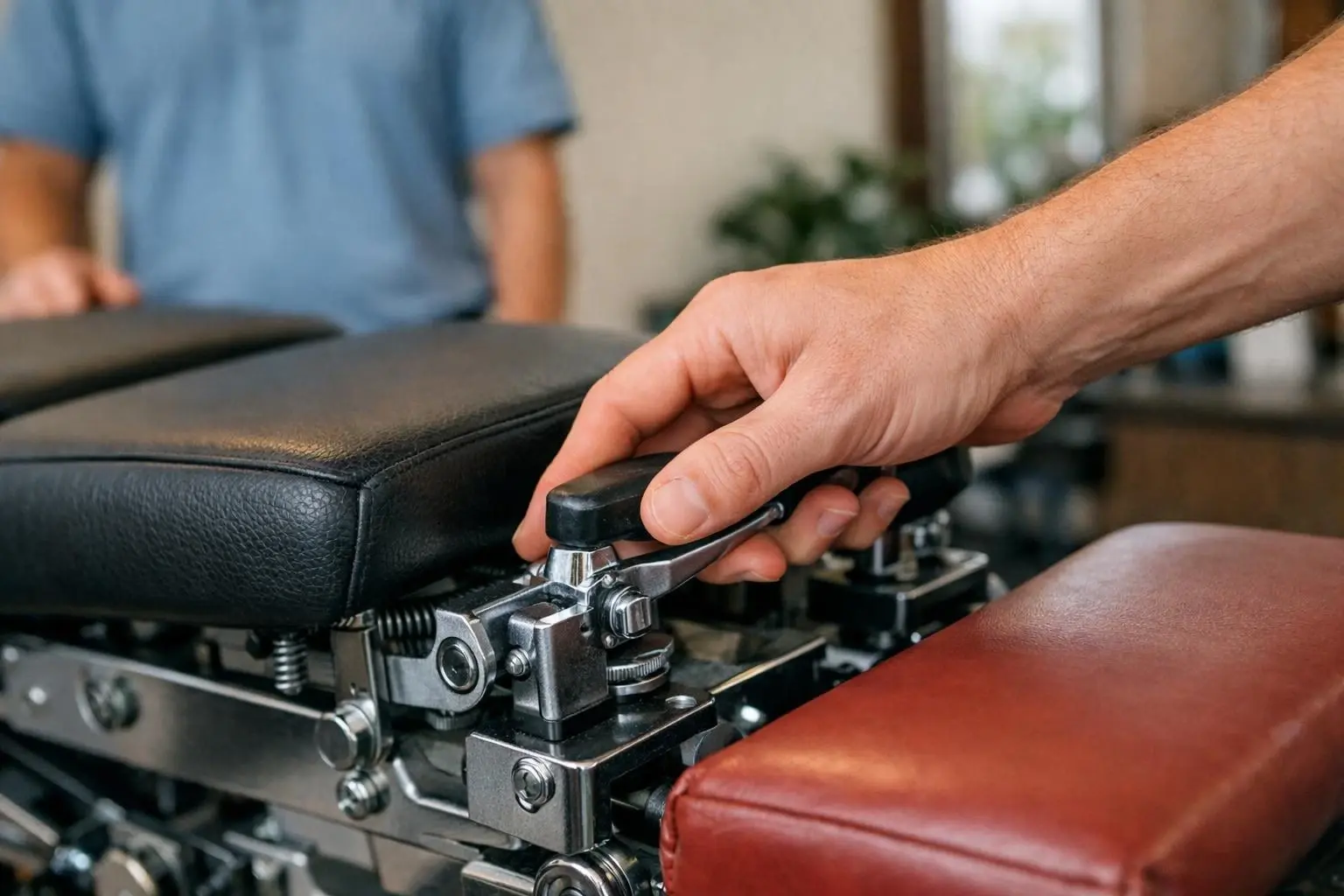
Thompson Technique is a chiropractic approach developed by Dr. J. Clay Thompson in the 1950s. Unlike traditional manual adjustments that rely solely on the chiropractor’s hands, this method incorporates a segmented drop-table. The table has sections that can be raised slightly and then dropped a short distance during the adjustment. This drop helps reduce the force needed to correct misalignments, making the process gentler for the patient while maintaining effectiveness.
Related glossary terms: Chiropractic Adjustment, Spinal Manipulation, Diversified Technique.
The technique is based on the idea that gravity can assist in the adjustment process. When a chiropractor applies pressure to a specific area of the spine or pelvis, the corresponding table section drops slightly, allowing the joint to move more naturally. This reduces the resistance the chiropractor must overcome, which can lead to a more comfortable experience for the patient, especially those who are sensitive to manual adjustments or have conditions like osteoporosis.
How Thompson Technique Works?
Before performing the adjustment, the chiropractor typically conducts a leg-length check. This involves observing the patient’s leg lengths while lying face-down on the table. A noticeable difference in leg length can indicate misalignments in the pelvis or spine, which the chiropractor then targets during the adjustment. The drop-table’s segmented design allows the chiropractor to isolate specific areas of the spine or pelvis, ensuring the adjustment is precise and controlled.
The drop mechanism works by releasing a small amount of stored energy in the table’s sections. When the chiropractor applies a quick, light thrust to the misaligned area, the table section beneath that area drops slightly. This drop creates a gentle force that helps guide the joint back into proper alignment without requiring excessive manual pressure. The process is repeated as needed, with the chiropractor reassessing the patient’s leg lengths and spinal alignment throughout the session to monitor progress.
Why Thompson Technique Matters?
Thompson Technique offers several benefits for patients seeking chiropractic care. Because it uses less force than traditional manual adjustments, it can be a safer option for individuals with fragile bones, muscle tension. Or sensitivity to pressure. The technique is also effective for patients who may feel anxious about chiropractic adjustments, as the drop-table’s movement can feel less intimidating than a manual thrust. And the precision of the drop-table allows chiropractors to target specific areas without affecting surrounding joints, which can improve outcomes for conditions like sciatica, disc herniation. Or chronic back pain.
Another advantage of Thompson Technique is its efficiency. The leg-length check provides a quick and objective way to identify misalignments. And the drop-table’s assistance reduces the physical strain on the chiropractor. This can lead to shorter, more focused treatment sessions, making it a practical choice for both patients and practitioners. The technique is also versatile, as it can be used alongside other chiropractic methods to create a full treatment plan.
When Thompson Technique Matters Most?
Thompson Technique is particularly useful in situations where traditional manual adjustments may not be ideal. For example, patients with osteoporosis or other conditions that weaken bone density may benefit from the gentler approach of the drop-table. It's also a good option for individuals recovering from injuries, such as whiplash or sports-related strains, where excessive force could aggravate the condition. And patients who experience discomfort or anxiety during manual adjustments often find Thompson Technique more tolerable, making it a valuable tool for improving patient compliance and comfort.
A practical next step is The technique is also effective for addressing postural issues caused by prolonged sitting, repetitive movements. Or poor ergonomics. Misalignments in the pelvis or spine can contribute to uneven weight distribution, leading to pain in the lower back, hips. Or legs. By correcting these misalignments, Thompson Technique can help restore balance and reduce strain on the muscles and joints. Chiropractors may also recommend this technique for patients seeking maintenance care to prevent future misalignments and maintain spinal health.